March 20, 2026/
Confused about SEO strategies? Learn how to choose the right SEO approach for eCommerce, small businesses, and local services to...
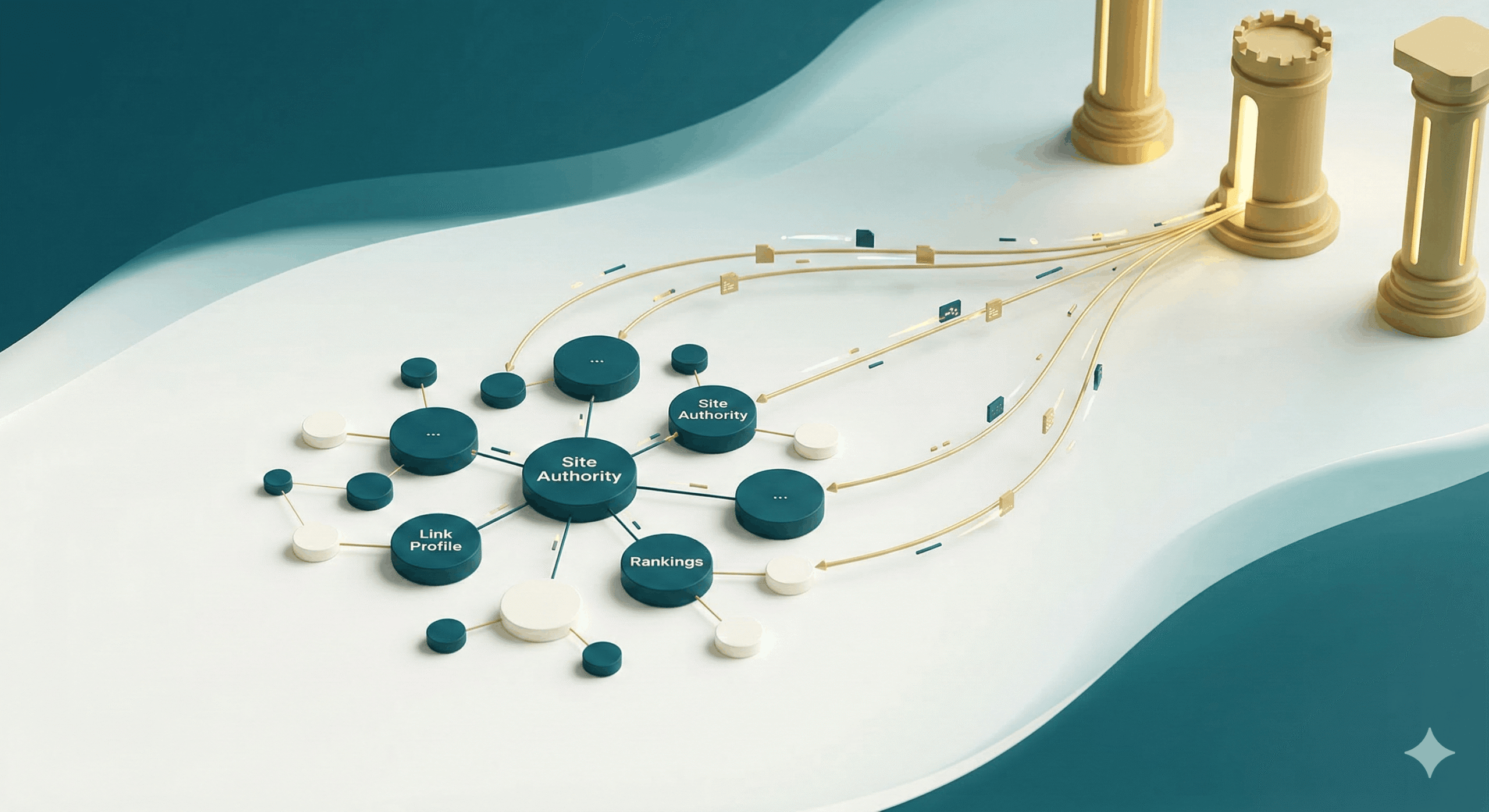
Off-page SEO in 2026 is no longer just about building backlinks—it’s about building authority, trust, and relevance across the web. Modern link building focuses on high-quality, contextual backlinks, guest posting, and strategic content distribution. This guide explains practical off-page SEO strategies that help websites improve rankings, gain credibility, and get recognized by both search engines and AI systems.
Last Updated: 2026, March 19 | Published By Akash Gupta
Most people think off-page SEO is just about building backlinks.
But that’s only half the truth.
In 2026, off-page SEO is really about building authority, trust, and relevance across the internet — not just getting random links.
Let me break this down in a practical way.
Off-page SEO refers to everything you do outside your website to improve your rankings.
This includes:
• backlinks
• brand mentions
• social signals
• collaborations
• content distribution
In simple terms:
It’s how the internet decides whether your content is trustworthy enough to rank.
Search engines and AI tools don’t just look at your content.
They look at who is talking about you.
Here’s what matters now:
• quality backlinks (not quantity)
• topical relevance
• authority of referring sites
• natural link patterns
This is also why combining off-page SEO with strong content and tools is critical.
If you haven’t explored the best tools yet, check this guide:
https://scribomedia.com/free-seo-tools-2026/
Link building is the process of getting other websites to link to your content.
These links act like votes of trust.
But here’s the important part:
Not all links are equal.
These pass SEO value and help rankings.
These are your primary goal.
These don’t pass direct SEO value, but still:
• drive traffic
• build brand awareness
• create natural link profiles
These are links placed inside content.
Example:
A blog mentioning your article and linking naturally.
These are gold for SEO.
Not all backlinks help you rank.
A good backlink has:
• relevant content
• high domain authority
• real traffic
• natural placement
• editorial context
Bad links can actually hurt your rankings.
Guest posting still works — if done correctly.
But most people do it wrong.
Let me show you the right way.
Guest posting means writing an article for another website and getting a backlink in return.
It’s one of the most reliable ways to:
• build backlinks
• increase visibility
• establish authority
Here are practical methods:
Search like this:
• “write for us + marketing”
• “guest post + SEO”
• “submit article + digital marketing”
Find where competitors are getting links from.
Then reach out to the same websites.
Many website owners actively look for contributors.
Also, if you’re freelancing, this guide can help you land clients:
https://scribomedia.com/how-to-find-clients-for-freelancing-21-ways/
Keep it simple.
Hi [Name],
I came across your blog and really liked your content on [topic].
I’d love to contribute a high-quality article that would bring value to your audience.
Here are a few topic ideas:
• [Idea 1]
• [Idea 2]
• [Idea 3]
Let me know if you’re interested.
Best,
[Your Name]
Most guest posts fail because they are:
• too generic
• overly promotional
• low quality
Instead:
• provide real value
• use data/examples
• match their content style
• avoid excessive self-promotion
Let’s go beyond guest posting.
Create content people naturally want to link to.
Examples:
• guides
• case studies
• original insights
• data-backed articles
If you’re learning how AI content impacts SEO, read this:
https://scribomedia.com/how-companies-are-optimizing-content-for-ai-search/
This is highly underrated.
Process:
• find broken links on websites
• suggest your content as a replacement
It’s a win-win.
Many websites have resource pages.
You can:
• find relevant pages
• suggest your content
This works especially well for educational content.
Help A Reporter Out (HARO) allows you to:
• get featured in articles
• earn high-authority backlinks
These links are extremely powerful.
Sharing content increases visibility.
This can lead to:
• organic backlinks
• brand mentions
• collaborations
AI is changing how content spreads.
If you’re exploring AI-driven SEO tools, check this:
https://scribomedia.com/ai-seo-tools-2026/
AI helps you:
• find outreach opportunities
• generate pitches
• scale content creation
Anchor text is the clickable text of a link.
Good practice:
• use natural phrases
• avoid over-optimization
• mix branded + generic anchors
Bad example:
“best SEO services cheap fast”
Good example:
“learn more about SEO strategies”
Most beginners make these mistakes:
• buying low-quality backlinks
• using spammy directories
• over-optimizing anchor text
• ignoring relevance
These can harm your rankings.
Confused about SEO strategies? Learn how to choose the right SEO approach for eCommerce, small businesses, and local services to...
Discover how off-page SEO works in 2026 with practical strategies for link building, guest posting, and building authority beyond your...
Off-page SEO is slow.
Typically:
• 1–3 months → initial movement
• 3–6 months → noticeable results
• 6+ months → strong authority
Consistency is key.
Off-page signals also influence ad performance indirectly.
More authority = better trust = better conversions.
If you’re running paid campaigns, this update is important:
https://scribomedia.com/meta-ads-andromeda-algorithm-update/
Here’s a simple system you can follow:
Focus on:
• helpful guides
• unique insights
• structured content
Use:
• Google search
• competitor analysis
• outreach lists
Send:
• personalized emails
• value-driven pitches
This is underrated.
Strong relationships = recurring backlinks.
Monitor:
• backlinks
• rankings
• traffic
Off-page SEO is not about chasing links anymore.
It’s about building real authority across the web.
The people who win in 2026 are not the ones building the most backlinks.
They are the ones building:
• trust
• relevance
• visibility
The real strategy is simple:
Create great content.
Promote it smartly.
Build relationships.
That’s how authority grows.
Off-page SEO refers to actions taken outside your website, like backlinks and brand mentions, to improve your search rankings.
Yes, link building is still a major ranking factor. However, quality and relevance matter more than quantity.
Guest posting and content-led link building are among the most effective strategies in 2026.
Yes, AI systems rely on authoritative sources, and backlinks help identify trustworthy content.
Guest posting is writing content for another website in exchange for a backlink to your site.
You can get free backlinks through guest posting, outreach, broken link building, and content marketing.
There is no fixed number. It depends on your competition and the quality of backlinks.
Toxic backlinks are low-quality or spammy links that can negatively impact your rankings.
You can use tools like Google Search Console or Ahrefs free tools to analyze backlinks.
Yes, social media helps increase visibility, which can lead to backlinks and brand mentions.
Anchor text is the clickable text used in a hyperlink.
Buying backlinks is risky and can lead to penalties if done incorrectly.
It usually takes 3–6 months to see noticeable results from link building efforts.
On-page SEO focuses on your website content, while off-page SEO focuses on external signals like backlinks.
It can be challenging at first, but with the right strategy and consistency, it becomes manageable.
LinkedIn:
https://www.linkedin.com/in/contentwriterakashgupta/