Category: Digital Marketing

  • 21 Ways to Find Clients for Your Freelance and Agency Business (2026)

    21 Ways to Find Clients for Your Freelance and Agency Business (2026)

    Whether you are in a freelancing business or agecy, here are 21 super practical and effective ways to find clients.

    21 ways to find clients for your freelance and agency business

    Quick Summary:

    Finding clients is the lifeblood of any freelancing business or agency. Whether you’re running a digital marketing agency like Scribo Media or offering any other service, this comprehensive guide reveals 21 practical, effective methods to discover potential clients, extract their contact information, and send outreach that converts. From leveraging LinkedIn and cold email to tapping into niche communities and partnerships, you’ll learn exactly where to find clients, how to reach them, and best practices that get results.

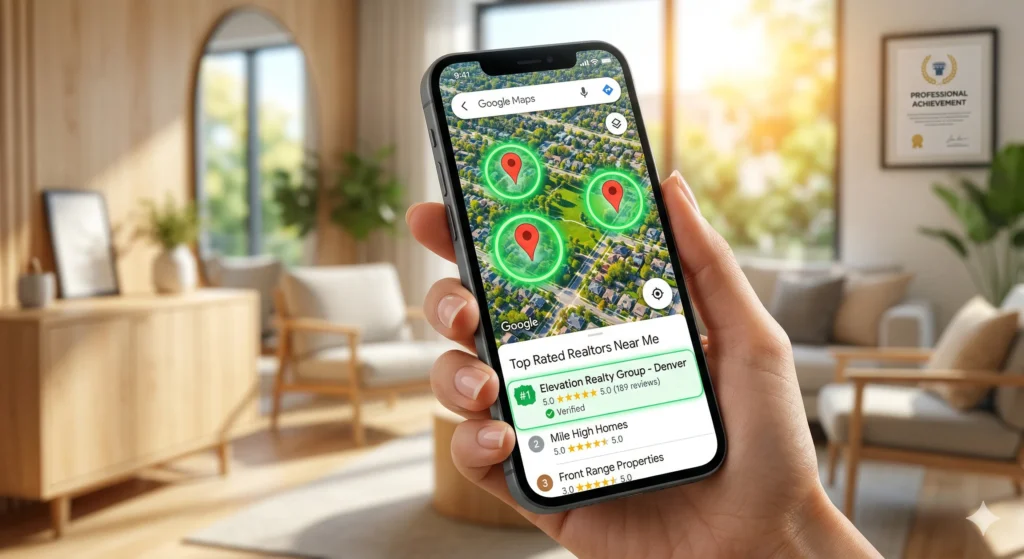
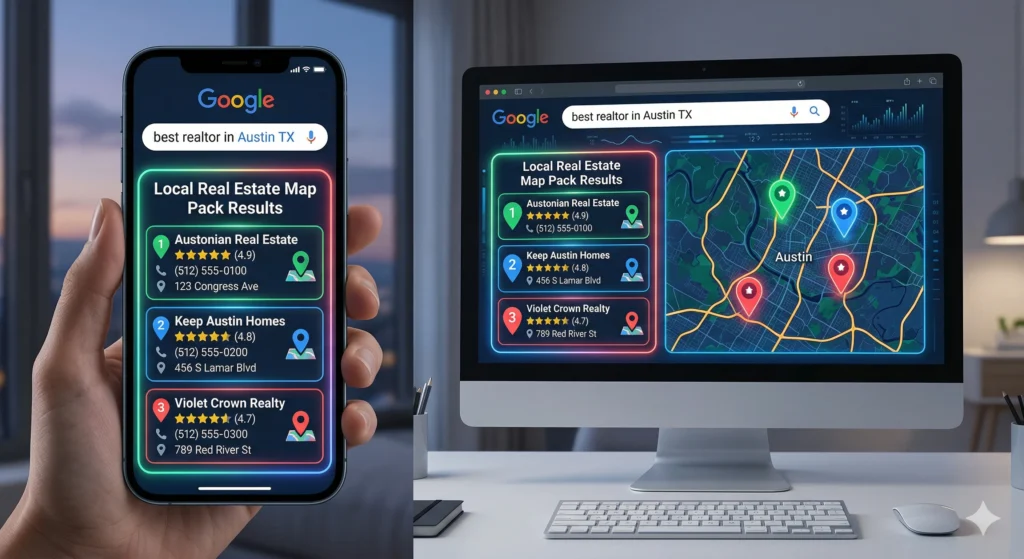
    What Are the Most Effective Ways to Find Clients Online?

    Finding clients online requires a strategic mix of direct outreach, visibility building, and relationship development. The most effective approaches combine multiple channels and focus on being where your ideal clients already spend their time. Let’s dive into each method with actionable steps you can implement today.


    1. How Can LinkedIn Help Me Find and Connect with Potential Clients?

    Quick Summary: LinkedIn is a goldmine for B2B client acquisition, offering advanced search capabilities, professional networking, and direct messaging opportunities that make it ideal for agencies like Scribo Media to connect with decision-makers.

    What Is LinkedIn Outreach?

    LinkedIn outreach involves using the platform’s professional network to identify, connect with, and engage potential clients. It’s one of the most effective B2B client acquisition strategies because you’re reaching people in a professional context where they expect business conversations.

    How to Do It

    Start by optimizing your LinkedIn profile to showcase your expertise. Your headline should clearly state what you do and for whom. For Scribo Media, that might be “Helping B2B Brands Dominate Search Rankings with SEO-Optimized Content & AI Citations” or “Growing SaaS Companies Organically Through Strategic Content Marketing.” Fill out your experience section with results-focused accomplishments, and gather recommendations from past clients.

    Next, use LinkedIn’s search filters to find your ideal clients. You can search by job title, industry, company size, and location. Sales Navigator (LinkedIn’s premium tool) offers even more advanced filtering options.

    How to Extract Clients

    Use LinkedIn’s search with specific parameters. For example, if Scribo Media targets B2B SaaS companies, search for “Content Marketing Manager,” “Head of Marketing,” or “VP of Growth” at companies with 50-500 employees. Export this list manually or use tools like LinkedIn Sales Navigator, Phantombuster, or Dripify to build your prospect list.
    Look for engagement signals like recent posts, job changes, or company announcements that indicate they might need your services.

    Where to Find Clients

    Navigate to LinkedIn’s search bar and use these filters: job title (Content Marketing Manager, CMO, Head of Growth, Marketing Director), industry (SaaS, B2B Technology, Professional Services, Healthcare), company size (based on your ideal client profile), and location (if you serve specific regions).

    Join relevant LinkedIn groups where your prospects gather. For content marketing agencies, groups focused on content strategy, SEO, B2B marketing, SaaS growth, or specific industries can be valuable.

    How to Send Outreach

    Don’t send a connection request with a sales pitch. Instead, send a personalized connection note mentioning something specific about their profile or company. Keep it under 200 characters.

    After they accept, wait 2-3 days before sending a value-first message. Reference their recent post, congratulate them on a company milestone, or share a relevant insight. Only then introduce what you do and how it relates to their situation.

    Example: “Hi Sarah, saw your post about scaling organic traffic for your SaaS platform. We recently helped a similar B2B company increase their organic search traffic by 340% in 6 months while securing AI citations from ChatGPT and Perplexity. Would you be open to a quick chat about your current content strategy?”

    Best Practices

    • Personalize every message with specific details about their business
    • Focus on their problems, not your services
    • Keep initial messages short (3-4 sentences max)
    • Include a soft call-to-action, not a hard sell
    • Follow up 2-3 times with value before giving up
    • Post valuable content regularly to build authority
    • Engage with prospects’ content before reaching out
    • Use video messages to stand out (LinkedIn allows this)

    2. How Does Cold Email Outreach Help Agencies Get New Clients?

    Quick Summary: Cold email remains one of the highest ROI client acquisition channels when done correctly, allowing you to reach decision-makers directly with personalized, value-driven messages at scale.

    What Is Cold Email Outreach?

    Cold email outreach involves sending targeted, personalized emails to potential clients who haven’t interacted with your business before. Unlike spam, effective cold email provides genuine value and relevance to the recipient.

    How to Do It

    Build a targeted list of prospects, craft personalized email sequences, and use email automation tools to send and track your campaigns. The key is to make each email feel personal, not mass-produced.

    Set up a dedicated domain for cold outreach (like outreach.scribomedia.com) to protect your main domain’s deliverability. Warm up your email accounts gradually using tools like Lemwarm or Mailreach.

    How to Extract Clients

    Use tools like Apollo.io, Hunter.io, or Snov.io to find email addresses for your target prospects. You can search by job title, company, industry, and other parameters.

    Alternatively, manually research companies that fit your ideal client profile and use email finding tools to locate the decision-maker’s contact information.

    For Scribo Media targeting B2B SaaS or professional services companies, you might search for “Head of Marketing at B2B SaaS companies with $5M-$50M revenue” or “Content Marketing Manager at technology companies.”

    Where to Find Clients

    Start with company databases like Apollo, ZoomInfo, or Crunchbase to identify companies matching your criteria. Then use email finders to get contact information.

    Visit company websites and use patterns like firstname@company.com or firstname.lastname@company.com, verifying with Hunter.io or NeverBounce.

    LinkedIn can also be a starting point—identify prospects there, then find their emails using the tools mentioned above.

    How to Send Outreach

    Craft a multi-touch sequence (5-7 emails over 2-3 weeks). Your first email should be short, personalized, and focused on one specific pain point.
    Structure: Personalized opener (mention something specific about their company) → Identify a problem they likely have → Hint at your solution → Soft CTA
    Example: “Hi Marcus,

    Noticed [Company Name] published a great piece on industry trends last month—the insights were spot-on.

    Most B2B companies we work with struggle to turn content into consistent organic traffic. They publish regularly but rankings plateau and AI tools like ChatGPT never cite them.

    We’ve developed a framework that helped brands like [Similar Company] increase organic traffic 290% while securing 50+ AI citations monthly from ChatGPT, Perplexity, and Gemini.

    Worth a 15-minute conversation?”

    Best Practices

    • Personalize the first line with specific company research
    • Keep emails under 100 words
    • Send from a person, not a company
    • Use a clear, benefit-driven subject line
    • Include one clear call-to-action
    • A/B test subject lines and email copy
    • Follow up 4-5 times (80% of sales happen after the 5th touchpoint)
    • Send emails Tuesday-Thursday, 10 AM-2 PM in recipient’s timezone
    • Never buy email lists—always build your own
    • Stay compliant with CAN-SPAM and GDPR regulations

    3. Can Instagram Be Used to Find Clients for B2B Services?

    Quick Summary: While traditionally seen as B2C, Instagram offers powerful B2B opportunities through Stories, Reels, and DM outreach, especially for visually-driven services or when targeting younger decision-makers and entrepreneurs.

    What Is Instagram Outreach?

    Instagram outreach involves identifying potential clients on the platform, engaging with their content, and initiating conversations through direct messages. It works particularly well for creative agencies, personal brands, and companies targeting entrepreneurs or modern businesses.

    How to Do It

    Create a professional Instagram profile showcasing your work, results, and expertise. Post valuable content regularly (tips, case studies, industry insights) to build credibility.

    Identify potential clients by searching relevant hashtags, checking competitors’ followers, and exploring location tags if you serve local businesses.

    How to Extract Clients

    Search hashtags related to your niche. For Scribo Media, try #contentmarketing, #SEOtips, #B2Bmarketing, #contentcreation, #organicgrowth, #digitalmarketingstrategy, or industry-specific tags like #SaaSmarketing or #B2Bcontent.

    Check the followers and following lists of complementary businesses or competitors. Look for accounts with good engagement that match your ideal client profile.

    Use Instagram’s search to find local businesses if you serve a specific geographic area.

    Where to Find Clients

    Browse posts under relevant hashtags and engage with account owners who are actively posting about growing their business. Check their bios for business indicators (website links, company names).

    Explore Instagram Stories—businesses often share behind-the-scenes content or challenges they’re facing, giving you conversation starters.

    Look at “Suggested for You” accounts that Instagram recommends based on accounts you’ve already identified as potential clients.

    How to Send Outreach

    Never lead with a sales pitch in the first DM. Start by genuinely engaging with their content for a week—like posts, comment thoughtfully on 2-3 posts, and view their Stories.

    When you send a DM, reference specific content they’ve posted. Make it conversational and value-focused.

    Example: “Hey! Loved your recent post about building thought leadership in the B2B space. Your insights on LinkedIn content were really valuable! We’ve helped similar companies amplify their content strategy—one client went from 10K monthly organic visits to 85K in 8 months while getting cited by ChatGPT regularly. Would love to share some insights if you’re ever looking to scale your organic presence 🚀”

    Best Practices

    • Build genuine engagement before pitching
    • Use casual, friendly language (Instagram is informal)
    • Send voice messages occasionally—they get higher response rates
    • Share valuable content in your feed and Stories
    • Use Instagram Reels to demonstrate expertise
    • Respond quickly to Story replies
    • Don’t spam multiple messages
    • Include social proof (results, testimonials) on your profile
    • Use link in bio tools to capture leads

    4. How Can I Use Facebook Groups to Find Ideal Clients?

    Quick Summary: Facebook Groups are communities where your ideal clients gather to ask questions, share challenges, and seek recommendations—making them perfect for relationship-building and establishing authority before pitching your services.

    What Is Facebook Group Networking?

    Facebook Group networking involves joining communities where your target clients congregate, providing valuable advice, and building relationships that naturally lead to client opportunities.

    How to Do It

    Search for groups where your ideal clients spend time. For Scribo Media, this might include B2B marketing groups, content marketing communities, SaaS founder forums, SEO professional groups, or industry-specific associations.

    Join 10-15 active groups and spend time understanding the community culture before posting or messaging members. Read the rules carefully—many groups prohibit direct solicitation.

    How to Extract Clients

    Look for members posting about challenges your service solves. For example, posts like “struggling to get profitable Facebook ads” or “need help scaling my marketing” are clear signals.

    Check the members list and identify people based on their profiles, job titles, and businesses they list. You can also see who’s most active and engaged.

    Where to Find Clients

    Use Facebook’s search bar to find groups. Search terms like “content marketing professionals,” “B2B marketers,” “SaaS growth,” “SEO strategies,” “content strategy,” or industry-specific groups like “fintech marketing” or “healthcare content marketers.”

    Once in groups, monitor the “New Member” section and posts tagged with questions or help requests.

    Look at who’s commenting on posts with sophisticated questions or sharing their experiences—these are often the more serious business owners.

    How to Send Outreach

    First, establish yourself as a helpful member by answering questions and providing value without pitching. Do this for 2-3 weeks.

    When you do reach out via DM, reference a specific comment or post they made.

    Example: “Hi Jennifer! Saw your comment in the B2B Content Marketing group about struggling to rank for competitive keywords. That’s super common when scaling content production. We actually created a framework for this exact issue that helped one of our clients achieve 15 first-page rankings in 90 days while getting cited by AI tools 40+ times monthly. Happy to share a few tips if you’d like!”

    Best Practices

    • Give 10x more value than you ask for
    • Answer questions thoroughly without pitching
    • Build authority by consistently helping others
    • Never spam the group with promotional posts
    • Follow group rules religiously
    • Engage with others’ posts before messaging them
    • Share case studies and results (when allowed)
    • Host free value-packed live sessions if permitted
    • Create genuinely helpful content
    • Be patient—relationship building takes time

    5. Where Can I Find Clients Through Twitter (X)?

    Quick Summary: Twitter’s real-time nature and conversation-focused platform make it ideal for engaging with potential clients, identifying those with active problems, and building authority through thought leadership.

    What Is Twitter Outreach?

    Twitter outreach involves identifying potential clients through their tweets, engaging in conversations, and providing value that leads to business relationships. It’s particularly effective because you can see people’s challenges in real-time.

    How to Do It

    Build a professional Twitter profile optimizing your bio with a clear value proposition. Tweet regularly about your expertise, insights, and industry trends.

    Use Twitter’s advanced search to find people tweeting about problems you solve. Monitor specific keywords, hashtags, and conversations relevant to your niche.

    How to Extract Clients

    Use Twitter Advanced Search to find tweets containing keywords like “need help with SEO,” “looking for content marketing agency,” “struggling with organic traffic,” “content strategy help,” or industry-specific pain points related to content and search visibility.

    Search for hashtags like #ContentMarketing, #SEOhelp, #B2Bmarketing, #ContentStrategy, or pain-point hashtags related to organic growth challenges.

    Create Twitter Lists of potential clients to monitor their activity without following everyone.

    Where to Find Clients

    Search tweets with phrases like “can anyone recommend,” “looking for help with,” “need a content strategist,” “SEO expert needed,” or “[problem keyword] + frustrated/struggling/help.”

    For Scribo Media: Search “content marketing help,” “SEO strategy struggling,” “organic traffic declining,” “need content writer,” “AI citations,” “ChatGPT not citing us,” etc.

    Check who’s following industry influencers, competitors, or complementary services in your niche.

    Monitor hashtags used by your target industry during specific events, product launches, or busy seasons.

    How to Send Outreach

    Start by replying to their tweets with genuine, helpful insights. Don’t pitch immediately.

    After engaging 2-3 times, send a DM referencing your interaction.

    Example: “Hey Alex! Saw your tweet about organic traffic challenges. The issue you described—publishing consistently but not ranking—is usually caused by topical authority gaps and AI optimization. We’ve solved this for 30+ B2B brands. I’d be happy to share a quick framework that might help. Want me to send it over?”

    Best Practices

    • Engage before you pitch
    • Provide value in public replies first
    • Keep DMs conversational and casual
    • Reference specific tweets they’ve made
    • Share free resources or tips upfront
    • Use Twitter threads to showcase expertise
    • Retweet and comment on prospects’ content
    • Respond quickly—Twitter moves fast
    • Don’t be overly salesy in your tone
    • Build authority through consistent, valuable tweeting

    6. How Can Reddit Help Me Find Clients Without Getting Banned?

    Quick Summary: Reddit’s niche communities (subreddits) contain highly targeted audiences, but require a value-first, non-promotional approach to successfully find clients without facing community backlash or bans.

    What Is Reddit Community Engagement?

    Reddit engagement means participating authentically in relevant subreddits, providing genuine help, and building trust before ever mentioning your services. Reddit users are fiercely anti-advertising, so the approach must be subtle and value-driven.

    How to Do It

    Create a legitimate Reddit account and spend time building karma (Reddit’s credibility score) by contributing to various subreddits before joining your target communities.

    Find subreddits where your ideal clients gather, read the rules carefully, and observe the community culture for a week before posting.

    How to Extract Clients

    Look for posts where people are asking for help with problems you solve. Comments like “Can anyone recommend…” or “I’m struggling with…” are opportunities.

    Check user post histories to verify they’re legitimate business owners before investing time.

    Note usernames of active members who frequently discuss topics related to your service.

    Where to Find Clients

    Search for subreddits relevant to your niche. For Scribo Media: r/content_marketing, r/SEO, r/bigseo, r/marketing, r/Entrepreneur, r/smallbusiness, r/SaaS, r/B2BMarketing, and industry-specific subreddits.

    Use the search function within subreddits to find recent posts about specific problems.

    Sort by “New” to catch questions early before they’re buried.

    How to Send Outreach

    Respond to posts publicly first with detailed, helpful answers. Don’t mention your service unless directly asked.

    If someone appreciates your help, you can DM them offering to share more detailed information or resources.

    Example: “Hey! Glad that tip about keyword clustering helped. I actually created a full breakdown of our topical authority framework that’s helped 20+ B2B brands dominate their niche in search results and get regular AI citations. Happy to share it if you’d find it useful—no strings attached.”

    Best Practices

    • Build karma before promoting anything
    • Provide value 95% of the time, promote 5% or less
    • Follow subreddit rules obsessively
    • Never spam or post the same comment repeatedly
    • Disclose your affiliation when relevant
    • Answer questions thoroughly and helpfully
    • Use your profile to showcase expertise
    • Be patient—Reddit relationships take time
    • Avoid hard selling at all costs
    • Contribute to non-business subreddits too (shows you’re human)
    • All Posts
    • Digital Marketing
    • Meta- Facebook & Instagram
      •   Back
      • Digital Marketing Updates
      • Lead Generation
      • Client Acquisition
      •   Back
      • Meta Algorithm Updates

    7. How Do I Find Clients Using Google Maps and Local Search?

    Quick Summary: Google Maps and local search are goldmines for finding businesses in specific geographic areas or industries, providing easy access to contact information and allowing for hyper-targeted outreach.

    What Is Google Maps Prospecting?

    Google Maps prospecting involves using Google’s business directory to identify potential clients based on location, industry, and business type, then reaching out with localized, relevant messaging.

    How to Do It

    Search for your target business type in specific locations using Google Maps. For example, “B2B technology companies in Austin” or “SaaS startups in San Francisco” or “professional services firms in Boston.”

    Use Google Maps scraping tools (like Outscraper or Google Maps Scraper extensions) to export lists of businesses with their contact information.

    How to Extract Clients

    Open Google Maps and search for your target business type plus location. Click through each listing to gather business names, phone numbers, websites, and addresses.

    Use extraction tools to automate this process and build spreadsheets with hundreds of prospects quickly.

    Visit their websites to find email addresses or use tools like Hunter.io to locate the owner/decision-maker’s contact info.

    Where to Find Clients

    Type searches like: “[industry] + [city]”, “marketing agencies near me”, “e-commerce businesses in [location]”, or specific business categories.

    For B2B: Search for businesses that serve your target client. If you want to reach restaurants, search “restaurant suppliers” to find companies selling to them.

    Use the filters to narrow by rating, hours, and other parameters to find more established businesses.

    How to Send Outreach

    Call directly or send localized emails referencing their location and specific business details you observed.

    Example email: “Hi Maria, I came across [Business Name] while researching innovative fintech companies in Denver. Your focus on financial education for millennials is impressive. Many B2B fintech companies we work with struggle to rank for competitive search terms and get discovered organically. We’ve helped companies like [local competitor] increase organic traffic by 280% through strategic SEO content. Would you be open to a quick call to discuss how we could help [Business Name] grow its organic visibility?”

    Best Practices

    • Mention specific local details
    • Research the business before contacting
    • Reference their Google reviews or photos
    • Offer local case studies or examples
    • Use local phone numbers for higher pickup rates
    • Time your outreach based on business hours
    • Visit in person if appropriate (for local services)
    • Combine with LinkedIn research for B2B
    • Segment by business size/reviews for better targeting
    • Follow up via multiple channels

    8. Can I Find Quality Clients on Upwork or Freelance Platforms?

    Quick Summary: While competitive, freelance platforms like Upwork, Fiverr Pro, and Toptal can be sources of quality clients if you position yourself as a premium provider, craft compelling proposals, and build a strong profile with testimonials.

    What Is Freelance Platform Prospecting?

    Freelance platforms connect service providers with clients actively searching for help. Instead of cold outreach, you’re responding to warm leads who’ve already identified they need your service.

    How to Do It

    Create a detailed profile showcasing your expertise, results, and unique value proposition. Include a professional photo, portfolio pieces, and specific outcomes you’ve delivered.

    Browse jobs daily and submit highly customized proposals that address the client’s specific needs rather than generic pitches.

    How to Extract Clients

    Search for projects matching your service offering using platform filters. On Upwork, use filters for budget, experience level required, and posting date.

    Look for clients who’ve spent significant money on the platform (indicated by their spending history), have good reviews, and are hiring frequently.

    Save searches and set up alerts for specific keywords related to your services.

    Where to Find Clients

    Upwork, Fiverr Pro, Toptal, Freelancer, PeoplePerHour, and Guru are the main platforms.

    For Scribo Media, search terms like: “SEO content writing,” “content marketing strategy,” “blog writing,” “SEO optimization,” “content strategy,” “organic growth,” “AI content optimization.”

    Filter for higher budgets ($5,000+) to avoid tire-kickers and find serious clients.

    How to Send Outreach

    On these platforms, “outreach” is your proposal. Make it specific to their project description.

    Structure: Address them by name → Reference specific details from their posting → Explain why you’re uniquely qualified → Share relevant results → Ask a clarifying question → Include clear next steps

    Example: “Hi Jennifer, Your content marketing project resonated with me, especially the challenge of creating content that actually ranks and drives organic traffic. We recently helped a similar B2B SaaS company in the project management niche increase organic traffic from 8K to 45K monthly visits in 5 months while securing 60+ AI citations from ChatGPT and Perplexity. I noticed you mentioned struggling with keyword research and topical authority—this is actually an area where we’ve developed specialized frameworks. Quick question: Are you currently tracking your AI citation rate across different LLMs? I’d love to discuss how we could replicate similar results for your brand.”

    Best Practices

    • Apply early (within first 10 applicants)
    • Customize every proposal—never use templates
    • Address specific pain points mentioned
    • Include relevant portfolio pieces
    • Keep proposals concise (300-400 words)
    • Ask clarifying questions to stand out
    • Set competitive but not bottom-dollar rates
    • Follow up if they view your proposal
    • Build your profile with testimonials
    • Take platform tests/certifications for credibility
    • Start with smaller projects to build reviews
    • Upsell existing clients into retainers

    9. How Can Industry Forums Help Me Find Targeted Clients?

    Quick Summary: Niche forums and online communities gather highly targeted audiences discussing specific challenges, making them perfect for establishing expertise and finding clients with active problems you can solve.

    What Is Forum-Based Prospecting?

    Forum prospecting involves participating in industry-specific online communities where your target clients ask questions, share challenges, and seek recommendations, allowing you to demonstrate expertise and build relationships organically.

    How to Do It

    Identify forums relevant to your target industry. Create a profile that clearly communicates your expertise without being overly promotional.

    Spend time reading existing threads to understand the community culture, common questions, and what type of content is valued.

    How to Extract Clients

    Look for “looking for recommendations” threads, people posting about specific challenges, or discussions about hiring service providers.

    Check member profiles and signatures for business information. Many forums allow members to include website links or business descriptions.

    Note frequent posters who seem to be running growing businesses—they’re often the best potential clients.

    Where to Find Clients

    For content marketing: GrowthHackers, Indie Hackers, Marketing Profs Community, Content Marketing Institute forums, Moz Community.

    For general business content: SaaS-specific forums, industry association communities, niche professional forums.

    Use Google searches like “[industry] + forum” or “[target client type] + community” to discover active forums.

    How to Send Outreach

    Establish credibility by answering questions helpfully over several weeks. Build a reputation as a knowledgeable resource.

    When someone posts a problem you can solve, provide a detailed public response without pitching. If appropriate, add “Happy to discuss this further if you need more detailed guidance” at the end.

    If they respond positively, continue the conversation via private message with additional insights before mentioning your services.

    Best Practices

    • Give away your best knowledge for free
    • Be consistent—post regularly
    • Answer questions thoroughly
    • Build a helpful signature with subtle positioning
    • Never spam or overtly promote
    • Respect forum rules and culture
    • Provide actionable advice, not vague tips
    • Reference your experience subtly
    • Connect with members who engage with your posts
    • Be patient—trust building takes time
    • Share case studies when relevant
    • Participate in non-promotional discussions too

    10. How Can Webinars and Virtual Events Help Me Attract Clients?

    Quick Summary: Hosting webinars and virtual events positions you as an authority, attracts pre-qualified leads who are interested in your expertise, and creates natural opportunities to convert attendees into clients through value-first education.

    What Is Webinar-Based Lead Generation?

    Webinar lead generation involves hosting educational online events that teach your target audience something valuable, collecting registrants’ contact information, and following up with attendees to convert them into clients.

    How to Do It

    Choose a specific, valuable topic that solves a pressing problem for your ideal client. Create a presentation that delivers genuine insights, frameworks, or strategies they can implement. Examples: “How to Get Your Content Cited by ChatGPT & Other AI Tools,” “The 90-Day SEO Content System for B2B Growth,” “Building Topical Authority That Actually Ranks.”

    Promote your webinar across your existing channels (email list, social media, website) and through paid advertising if budget allows.

    How to Extract Clients

    Every registrant provides their email, name, and often company information when signing up. These become warm leads for follow-up.

    During the webinar, use polls and Q&A to identify who has the most pressing needs or is furthest along in their buying journey.

    Track attendee engagement—who stayed for the whole session, who asked questions, who downloaded resources—to prioritize follow-up.

    Where to Find Clients

    Promote on LinkedIn, Facebook Groups, Twitter, industry forums, and relevant online communities.

    Partner with complementary businesses to co-host or promote to each other’s audiences.

    Use platforms like WebinarJam, Zoom, or Demio which include built-in registration and CRM features.

    List your webinar on event directories like Eventbrite, Meetup, or industry-specific event calendars.

    How to Send Outreach

    Follow up differently based on attendance: attended vs. registered but didn’t show.

    For attendees: “Hi Sarah, thanks for joining yesterday’s webinar on AI citations! I noticed your question about optimizing for ChatGPT’s training data. I actually have a framework we use with clients that addresses this specifically—it’s helped brands get cited 40+ times monthly. Would you be open to a 15-minute call to discuss your current content challenges?”

    For no-shows: “Hi Michael, sorry we missed you at the webinar. I’ve recorded it and included the slides. The AI citation framework we covered has helped B2B brands increase their visibility in LLM responses by 600%. Would love to hear about your current content strategy and see if there’s a fit to work together.”

    Best Practices

    • Focus on education, not selling (80/20 rule)
    • Save the pitch for the last 10 minutes
    • Deliver genuine, actionable value
    • Record and repurpose as content
    • Follow up within 24 hours while you’re fresh in mind
    • Segment follow-ups based on engagement
    • Offer a special “attendee-only” consultation
    • Include interactive elements (polls, Q&A)
    • Create urgency with limited-time offers for attendees
    • Survey attendees afterward for feedback and needs
    • Build an email sequence for registrants
    • Host regularly to build audience

    11. How Can I Use Content Marketing and SEO to Attract Clients?

    Quick Summary: Content marketing and SEO create a long-term client acquisition engine by attracting potential clients who are actively searching for solutions to their problems, positioning you as the expert when they’re ready to hire.

    What Is Content-Based Client Acquisition?

    Content marketing involves creating valuable articles, videos, or resources that rank in search engines and social media, attracting potential clients to you instead of you reaching out to them. It’s inbound marketing at its finest.

    How to Do It

    Research keywords your potential clients are searching for using tools like Ahrefs, SEMrush, or Google Keyword Planner.

    Create comprehensive, helpful content that answers their questions better than existing results. For Scribo Media, this might be “How to Optimize Content for AI Citations,” “Complete Guide to Topical Authority in 2026,” or “SEO Content Strategy for B2B SaaS.”

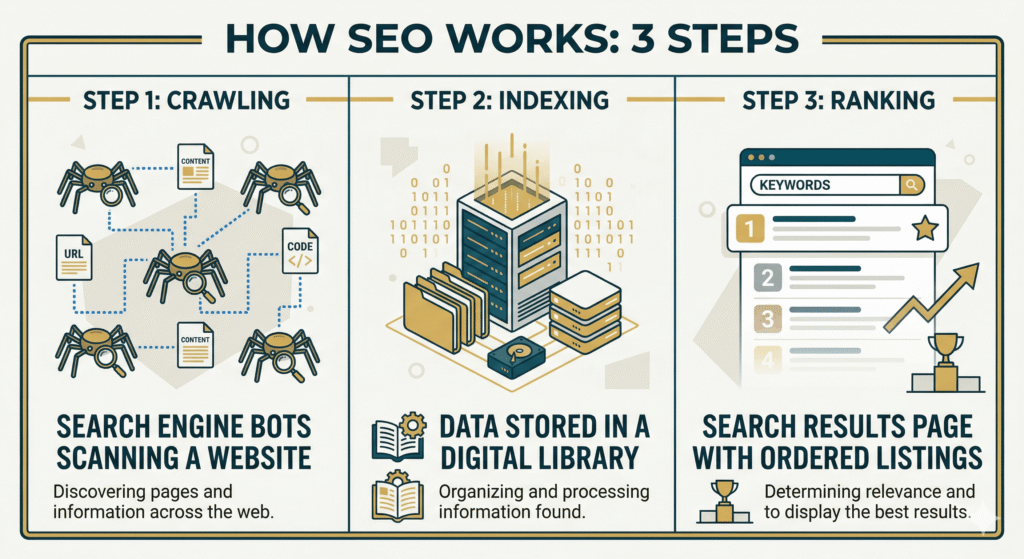
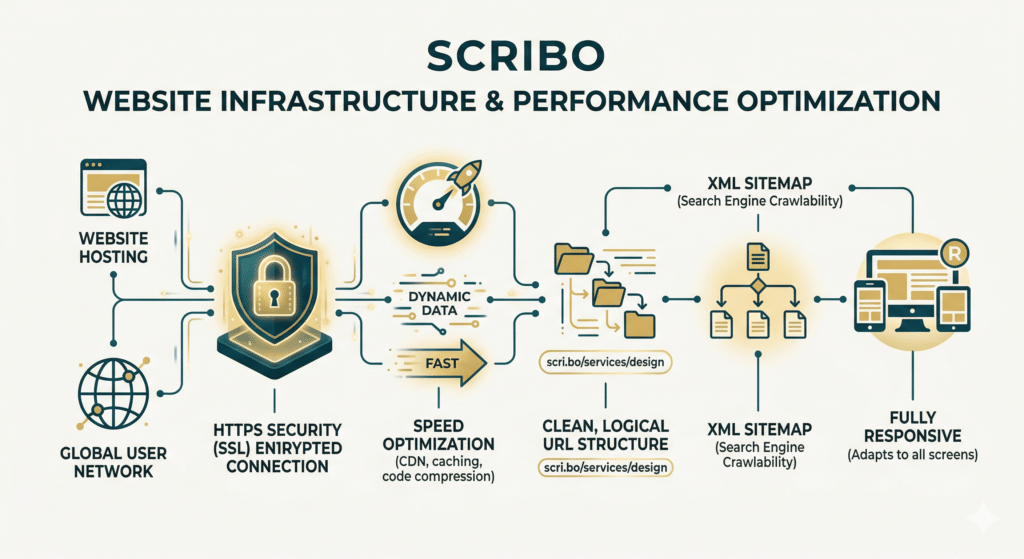
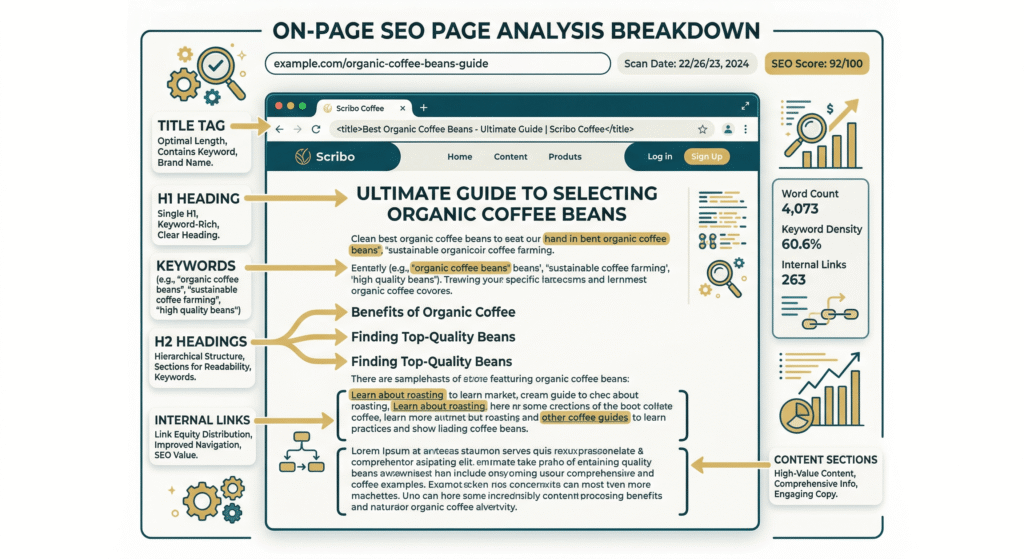
    Optimize for search engines by including keywords naturally, creating quality backlinks, and ensuring technical SEO is solid.

    How to Extract Clients

    Include strategic calls-to-action in your content: free consultations, strategy calls, downloadable resources that require email signup, or contact forms.

    Use lead magnets (checklists, templates, calculators) to capture emails from readers who aren’t ready to buy yet.

    Implement chatbots or live chat to engage visitors in real-time.

    Where to Find Clients

    They find you through Google searches, social media shares, and referrals to your content.

    Distribute content on Medium, LinkedIn, industry publications, guest posting opportunities, and your own blog.

    Repurpose content across YouTube, podcasts, and social media to reach clients on different platforms.

    How to Send Outreach

    With content marketing, you typically don’t do traditional outreach. Instead, nurture leads through email sequences.

    When someone downloads a resource: Send a welcome email → Educational sequence (3-5 emails with pure value) → Soft pitch email → Case study → Direct offer

    Example email: “Hi Alexandra, I noticed you downloaded our SEO Content ROI Calculator last week. How did your content performance metrics look? If your organic traffic isn’t growing 15-20% month-over-month, there are usually 3 specific content gaps we can identify. I’ve helped 40+ B2B brands in similar situations. Want to hop on a quick call to discuss your specific content strategy?”

    Best Practices

    • Solve problems, don’t just promote services
    • Create content clusters around topics
    • Update content regularly to maintain rankings
    • Build email list aggressively
    • Use case studies as content pieces
    • Include social proof throughout
    • Make content scannable (headers, bullets, images)
    • Target bottom-of-funnel keywords for high-intent traffic
    • Create content for every stage of awareness
    • Promote content through multiple channels
    • Track which content converts best
    • Be patient—SEO takes 3-6 months

    12. Where Can I Find Clients Through Podcast Guesting?

    Quick Summary: Appearing as a guest on podcasts in your niche positions you as an authority, puts you in front of highly engaged audiences, and creates trust that converts listeners into clients without traditional outreach.

    What Is Podcast Guest Marketing?

    Podcast guesting involves being interviewed on shows your target clients listen to, sharing your expertise, and attracting potential clients who resonate with your message and approach.

    How to Do It

    Research podcasts in your industry or that serve your target client audience. Compile a list of 50+ shows that match your expertise and audience.

    Craft personalized pitch emails to podcast hosts explaining why you’d be a valuable guest and what unique insights you can share.

    Prepare talking points that provide genuine value while subtly demonstrating your expertise and results.

    How to Extract Clients

    Include a clear call-to-action during the podcast (usually at the end): a free resource, consultation, or website they can visit.

    Create a custom landing page for podcast listeners with a special offer or resource mentioned during the interview.

    The host often links to your website and social profiles in show notes, creating inbound leads.

    Where to Find Clients

    Search for podcasts using directories like Apple Podcasts, Spotify, Podchaser, or Listen Notes.

    For Scribo Media: Search “content marketing podcast,” “SEO podcast,” “B2B marketing podcast,” “SaaS growth podcast,” “content strategy podcast.”

    Look for shows with engaged audiences (check review count and ratings) rather than just focusing on download numbers.

    How to Send Outreach

    Pitch podcast hosts via email or through their podcast website’s contact form.

    Example: “Hi [Host Name], I’ve been listening to [Podcast Name] for months—your episode on AI’s impact on content marketing was incredibly insightful. I run Scribo Media, where we’ve helped 60+ B2B companies dominate organic search through strategic SEO content while securing hundreds of AI citations monthly from ChatGPT, Perplexity, and Gemini. I recently developed a framework that helped a SaaS client go from 5K to 80K monthly organic visitors in 6 months. I think your audience would find the specific strategies valuable, especially around optimizing for AI discovery. Would you be interested in having me share this on the show?”

    Best Practices

    • Listen to several episodes before pitching
    • Reference specific episodes you enjoyed
    • Provide clear topic ideas with value for their audience
    • Be a great guest—engaging, prepared, promotional but not salesy
    • Share the episode extensively after it airs
    • Have a compelling offer or resource for listeners
    • Follow up with the host afterward
    • Repurpose the interview as content
    • Track where clients heard about you
    • Build relationships with hosts for future opportunities
    • Start with smaller podcasts to build experience
    • Create a media kit to make booking easier

    13. How Can Strategic Partnerships Help Me Find Clients?

    Quick Summary: Partnerships with complementary businesses create referral networks where you send each other qualified leads, expanding your reach without competing and building trust through association with established brands.

    What Is Partnership-Based Prospecting?

    Partnership prospecting involves building relationships with non-competing businesses that serve the same target clients, creating mutual referral agreements, and sometimes jointly marketing to combined audiences.

    How to Do It

    Identify businesses that serve your ideal client but don’t compete with your service. For Scribo Media, this might be web designers, SEO technical consultants, marketing automation agencies, PR firms, brand strategists, or business consultants serving B2B companies.

    Reach out to propose collaboration: referral partnerships, co-marketing initiatives, or bundled service offerings.

    How to Extract Clients

    Your partner refers clients to you directly when they need your specific service.

    You gain access to their email list, social media audiences, and client base through co-marketing efforts.

    Joint webinars, content, or events put you in front of pre-qualified audiences.

    Where to Find Clients

    They come from your partner’s client base and network—people who already have trust established through the referring relationship.

    Look for partners in your local business community, industry associations, online communities, and LinkedIn networks.

    Attend industry events specifically to network with potential partners.

    How to Send Outreach

    Reach out to potential partners with a mutually beneficial proposal.

    Example: “Hi David, I run Scribo Media, a content marketing agency specializing in SEO-optimized content and AI citations for B2B brands. I’ve noticed many of the websites you design for B2B tech companies likely need ongoing content strategy and SEO support after launch. I’m looking to build a referral partnership where I send clients needing web design your way, and you send clients needing content marketing and SEO expertise mine. We could even create bundled packages for new site launches. Would you be open to discussing this?”

    Best Practices

    • Choose partners with similar quality standards
    • Formalize agreements with clear terms
    • Provide value first—send them referrals before asking
    • Stay in regular contact with partners
    • Update partners on client results from their referrals
    • Create co-branded resources or content
    • Attend their events and support their business
    • Set up affiliate or revenue share if appropriate
    • Have a formal referral process that’s easy for partners
    • Thank partners publicly when they send business
    • Track referral sources carefully
    • Build 5-10 strong partnerships rather than many weak ones

    14. Can I Find Clients by Monitoring Job Boards and Hiring Platforms?

    Quick Summary: Job boards reveal companies actively hiring for roles your service could replace or augment, giving you an opportunity to position your agency as a cost-effective, expert alternative to bringing on full-time employees.

    What Is Job Board Prospecting?

    Job board prospecting involves monitoring platforms where companies post positions relevant to your service, then reaching out to position your agency as an alternative or complement to hiring full-time staff.

    How to Do It

    Set up alerts on job boards for positions related to your service. For content marketing agencies, monitor for “Content Marketing Manager,” “SEO Specialist,” “Content Strategist,” “Head of Content,” or “Organic Growth Manager” positions.

    Research the companies posting these jobs to understand their needs, growth stage, and current marketing efforts.

    How to Extract Clients

    Every job posting includes the company name and usually the hiring manager or department. Use LinkedIn and company websites to find decision-makers’ contact information.

    Look for companies posting multiple marketing roles or re-posting the same position (indicating hiring challenges).

    Prioritize smaller companies ($1M-$20M revenue) that might not have budget for senior full-time talent but could afford agency services.

    Where to Find Clients

    Monitor Indeed, LinkedIn Jobs, AngelList (for startups), RemoteOK, We Work Remotely, and industry-specific job boards.

    Set up Google Alerts for “hiring [job title related to your service]” or use job board API tools to automate searches.

    Check company career pages directly for high-value target companies.

    How to Send Outreach

    Reach out positioning your agency as a strategic alternative or interim solution.

    Example: “Hi Rachel, I noticed [Company Name] is hiring a Content Marketing Manager. I wanted to reach out because many B2B companies we work with start with agency support while they search for the right full-time hire—or discover they don’t need the full-time hire at all. We’re currently managing content strategy and SEO for 15 B2B brands and delivering results that would typically require a 3-person content team. Would you be open to a conversation about how we could potentially solve your content marketing needs while you continue your search?”

    Best Practices

    • Act quickly—reach out within 24 hours of job posting
    • Address why they might be hiring
    • Position as complement, not replacement (less threatening)
    • Emphasize you bring a full team’s expertise
    • Reference cost savings versus full-time hire
    • Offer a trial project or pilot program
    • Show relevant results from similar companies
    • Respect their hiring process if they decline
    • Follow up if they don’t respond initially
    • Be professional and consultative, not pushy
    • Understand this is a longer sales cycle
    • Track which companies eventually do hire (future opportunities)

    15. How Can I Use YouTube to Attract and Find Clients?

    Quick Summary: YouTube serves as both a search engine and social platform, allowing you to create evergreen content that attracts potential clients searching for solutions while building authority and trust through video.

    What Is YouTube-Based Client Acquisition?

    YouTube client acquisition involves creating educational video content optimized for search and discovery, where potential clients find you while researching solutions to their problems, then reach out or engage with your calls-to-action.

    How to Do It

    Create videos addressing specific questions and challenges your ideal clients have. Focus on topics with search volume but low competition. Examples: “How to Get ChatGPT to Cite Your Content,” “SEO Content Strategy for B2B in 2026,” “Building Topical Authority: Complete Guide,” “AI Citations: What They Are and Why They Matter.”

    Optimize videos for YouTube SEO: keyword-rich titles, detailed descriptions, tags, timestamps, and engaging thumbnails.

    Include clear calls-to-action in your videos and descriptions directing viewers to contact you, book consultations, or download resources.

    How to Extract Clients

    Include lead magnets in video descriptions (downloadable resources, free consultations, strategy calls).

    Use YouTube’s end screens to direct viewers to contact pages or booking links.

    Pin comments with calls-to-action and respond to every comment to build relationships.

    Where to Find Clients

    Clients find you through YouTube search, suggested videos, and social shares.

    Promote videos on LinkedIn, Twitter, Facebook Groups, and email newsletters to accelerate reach.

    Create playlists organized by topic to keep viewers engaged longer.

    How to Send Outreach

    With YouTube, you typically don’t do outreach—viewers come to you. However, you can:

    Respond to comments with personalized offers for free consultations when someone asks specific questions.

    Follow up via email with viewers who download resources or book calls through your video CTAs.

    Example email: “Hi Thomas, thanks for downloading our AI Citations Framework from the YouTube video. I noticed in the form you mentioned struggling with getting ChatGPT to cite your brand. This is actually the exact challenge we solved for [similar company]—they went from 0 to 45 AI citations monthly in 90 days. Would you be open to a 20-minute call to discuss your specific content strategy?”

    Best Practices

    • Create consistent, valuable content (minimum 1 video/week)
    • Focus on searchable topics, not just trending ones
    • Use compelling thumbnails with faces and text
    • Hook viewers in the first 10 seconds
    • Keep videos focused—one topic per video
    • Include timestamps for longer videos
    • Encourage likes, comments, and subscriptions
    • Cross-promote related videos
    • Respond to every comment
    • Analyze which videos drive the most leads
    • Create video series to build viewership
    • Optimize for suggested videos from competitors
    • Include captions for accessibility
    • Repurpose videos as blog posts and social content

    16. Where Can I Find Clients Through Trade Shows and Industry Events?

    Quick Summary: Industry events concentrate your target clients in one place, allowing for high-quality face-to-face networking, relationship building, and immediate credibility that’s difficult to achieve through digital outreach alone.

    What Is Event-Based Networking?

    Event networking involves attending (or exhibiting at) conferences, trade shows, and industry gatherings where your ideal clients congregate, then systematically connecting with attendees and following up to convert relationships into clients.

    How to Do It

    Research events attended by your target clients using sites like 10Times, Eventbrite, Bizzabo, or industry association calendars.

    Register early, often as a speaker if possible (builds authority), or as an attendee if exhibiting isn’t in budget.

    Prepare elevator pitches, business cards, and conversation starters that focus on the other person’s challenges rather than your services.

    How to Extract Clients

    Collect business cards and take brief notes about conversations immediately after each interaction.

    Many events provide attendee lists or apps—review these before the event to identify priority connections.

    Use event hashtags on social media to connect with attendees before, during, and after the event.

    Where to Find Clients

    Industry-specific conferences (for B2B/SaaS: SaaStr, Web Summit, Collision, INBOUND)

    Content marketing conferences (Content Marketing World, MozCon, SearchLove, Pubcon)

    Local chamber of commerce events, networking meetups, and professional association gatherings

    Virtual conferences if travel isn’t feasible

    How to Send Outreach

    Follow up within 48 hours after meeting someone at an event while the interaction is fresh.

    Example: “Hi Jennifer, great meeting you at Content Marketing World yesterday! Your insights during the panel about building thought leadership were spot-on. You mentioned struggling with creating content that ranks consistently—that’s actually an area where we’ve helped B2B brands increase organic traffic by 200%+ while securing regular AI citations. Would you be open to a call next week to continue our conversation?”

    Best Practices

    • Research attendees beforehand
    • Set specific goals (number of meaningful connections)
    • Listen more than you pitch
    • Take detailed notes after conversations
    • Connect on LinkedIn immediately at the event
    • Attend sessions and ask thoughtful questions
    • Don’t just collect cards—build real relationships
    • Follow up personally, not with automated emails
    • Reference specific conversation points in follow-ups
    • Share valuable resources in your follow-up
    • Attend social events and networking sessions
    • Dress professionally and have polished materials
    • Speak at events when possible to build authority
    • Follow up multiple times if no response

    17. How Can Referrals from Existing Clients Help Me Find New Business?

    Quick Summary: Referrals from satisfied clients are the highest-converting lead source because they come with built-in trust and social proof, making them easier to close and more likely to become long-term, high-value clients.

    What Is Referral-Based Prospecting?

    Referral prospecting involves systematically asking existing clients to introduce you to similar businesses in their network who could benefit from your services, creating a warm introduction rather than cold outreach.

    How to Do It

    Deliver exceptional results for current clients, then implement a formal referral request process.

    Ask for referrals at specific moments: after delivering strong results, during positive feedback conversations, or at quarterly business reviews.

    Make it easy by asking for specific types of introductions rather than generic “know anyone who needs marketing?”

    How to Extract Clients

    Ask your client: “Who else in your network runs a B2B company around your size?” or “Do you know other founders struggling with organic visibility and content strategy?”

    Request LinkedIn introductions to specific people in their network.

    Offer to write the introduction email so it’s effortless for them.

    Where to Find Clients

    Your existing clients’ networks—other business owners they know, companies they’ve worked with, peers in mastermind groups or associations they belong to.

    Ask clients if they’re in any entrepreneur groups, industry associations, or communities where they could introduce you.

    LinkedIn’s “People Also Viewed” feature shows similar professionals to your clients.

    How to Send Outreach

    Have your client make the introduction, then follow up personally.

    Example: “Hi Marcus, [Client Name] suggested I reach out. She mentioned you’re scaling your B2B SaaS platform and facing some of the same organic growth challenges she had before we worked together. We helped her go from 12K to 65K monthly organic visits while securing 50+ AI citations from ChatGPT and Perplexity. She thought our approach might be relevant to your business. Would you be open to a brief call to explore if there’s a fit?”

    Best Practices

    • Earn referrals by delivering exceptional results
    • Make asking for referrals a systematic process
    • Be specific about who you’re looking for
    • Make it easy for clients to refer you
    • Always thank referrers (consider incentives)
    • Update referrers on how their introduction went
    • Ask at the right time (after wins, not during challenges)
    • Provide referrers with language/templates to use
    • Create a referral program with rewards
    • Feature clients as case studies (builds goodwill)
    • Stay in regular contact with past clients
    • Make referrers look good to their connections
    • Close referred leads quickly to validate the referral
    • Build relationships, not just transactions

    18. Can Online Directories and Listing Sites Help Me Find Clients?

    Quick Summary: Business directories and industry-specific listing sites help potential clients discover your services when researching providers, while also improving your SEO and providing platforms for collecting reviews that build social proof.

    What Is Directory-Based Lead Generation?

    Directory marketing involves listing your business on relevant online directories, industry platforms, and review sites where potential clients search for service providers, optimizing your profiles to attract and convert visitors.

    How to Do It

    Identify directories relevant to your niche (industry-specific platforms, local business directories, agency listing sites).

    Create comprehensive, optimized profiles with detailed descriptions, service offerings, case studies, and calls-to-action.

    Actively collect and respond to reviews to build credibility and improve rankings within directories.

    How to Extract Clients

    Inbound leads come through directory profiles—clients find you and reach out directly.

    Set up tracking to monitor which directories drive the most quality leads.

    Use directory profiles to capture emails through downloadable resources or consultation requests.

    Where to Find Clients

    General business directories: Yelp, Yellow Pages, Manta, Better Business Bureau

    Agency-specific: Clutch, UpCity, Agency Spotter, GoodFirms, The Manifest, DesignRush, Content Marketing Institute Agency Directory

    Industry-specific directories relevant to your niche

    Google Business Profile (essential for local search)

    How to Send Outreach

    With directories, clients typically initiate contact. Your “outreach” is your optimized profile.

    Respond quickly (within 1 hour) to any inquiries from directory listings.

    Example response: “Hi Sarah, thanks for reaching out through Clutch! I see you’re looking for help with SEO content strategy for your cybersecurity SaaS platform. We’ve worked with 6 security/compliance companies and have specific experience creating content that ranks in highly competitive niches while staying technically accurate. Would you have 20 minutes this week for a call to discuss your goals and current content challenges?”

    Best Practices

    • Claim and optimize all relevant directory listings
    • Keep information consistent across platforms (NAP: Name, Address, Phone)
    • Add high-quality images and portfolio pieces
    • Actively request reviews from satisfied clients
    • Respond to all reviews, positive and negative
    • Include specific keywords in descriptions
    • Update profiles regularly
    • Add case studies and results
    • Use directories’ premium features if ROI is positive
    • Track leads from each directory
    • Prioritize high-traffic, industry-relevant directories
    • Link back to your website from all profiles
    • Monitor competitor profiles for insights

    19. How Can I Find Clients by Monitoring Competitor Mentions and Reviews?

    Quick Summary: Tracking competitor mentions, reviews, and lost deals reveals unhappy or underserved clients actively looking for alternatives, giving you perfectly timed opportunities to offer superior solutions.

    What Is Competitive Intelligence Prospecting?

    Competitive monitoring involves tracking where competitors are mentioned, where they receive negative feedback, and where they’re losing clients, then reaching out to those dissatisfied prospects with better alternatives.

    How to Do It

    Set up Google Alerts for competitor names, brand monitoring on social media, and review tracking on platforms like G2, Trustpilot, or Capterra.

    Use tools like Mention, Brand24, or Awario to monitor competitor mentions across the web and social media.

    Regularly check competitors’ review pages for negative feedback or complaints about specific service gaps.

    How to Extract Clients

    When someone posts a negative review or complaint about a competitor, note their information.

    Monitor “looking for alternatives to [competitor]” searches and discussions.

    Track LinkedIn posts where people ask for recommendations and competitors are mentioned but criticized.

    Where to Find Clients

    Review sites: G2, Capterra, Trustpilot, Google Reviews, Yelp

    Social media: Twitter, LinkedIn, Facebook Groups

    Reddit threads asking for alternatives

    Comparison websites where competitors are listed

    Forums and communities where your industry is discussed

    How to Send Outreach

    Reach out empathetically when you see negative feedback about competitors, positioning yourself as a solution without badmouthing.

    Example: “Hi Alex, I saw your review of [Competitor] mentioning challenges with their content quality and lack of results tracking. We actually built our entire client experience around solving those exact pain points—in-depth content briefs, expert writers in your niche, transparent monthly reporting with ranking tracking and AI citation monitoring. Would you be open to seeing how we approach content strategy and accountability differently?”

    Best Practices

    • Never badmouth competitors directly
    • Focus on what you do better, not what they do wrong
    • Be empathetic to their frustration
    • Offer specific solutions to their complaints
    • Time outreach carefully (right after negative experience)
    • Provide social proof from similar switchers
    • Make switching easy (help with transition)
    • Highlight specific differences in approach
    • Use review insights to improve your own services
    • Monitor regularly but don’t obsess
    • Respect if they want to give competitor another chance
    • Build comparison content addressing common complaints
    • Track which competitive weaknesses resonate most

    20. Where Can I Find Clients Through Quora and Q&A Platforms?

    Quick Summary: Quora and similar Q&A platforms showcase people actively seeking solutions to problems, allowing you to provide value through detailed answers while subtly positioning your expertise and attracting clients researching their options.

    What Is Q&A Platform Marketing?

    Q&A platform marketing involves monitoring and answering questions related to your expertise on platforms like Quora, Reddit, Stack Exchange, or industry-specific forums, demonstrating knowledge that attracts potential clients to your services.

    How to Do It

    Create a professional profile highlighting your expertise and credentials.

    Search for questions related to the problems you solve and provide detailed, helpful answers without overt self-promotion.

    Include a brief, relevant mention of your experience when it adds credibility to your answer.

    How to Extract Clients

    Readers who find your answers valuable will click through to your profile, where you can link to your website or consultation booking.

    Some platforms allow you to message users—reach out to people asking questions that indicate they’re good prospects.

    Include a subtle call-to-action at the end of particularly relevant answers.

    Where to Find Clients

    Quora: Search for topics like “content marketing,” “SEO strategy,” “organic growth,” “B2B marketing,” “content strategy,” etc.

    Reddit: Subreddits related to your industry (covered earlier but applies here too)

    Industry-specific Q&A forums and Stack Exchange communities

    LinkedIn’s Q&A feature and discussion posts

    How to Send Outreach

    Your answers are the outreach. Make them incredibly valuable.

    At the end of relevant answers, include: “Happy to discuss your specific content strategy if you want to go deeper—feel free to DM me.”

    Example answer ending: “These SEO content strategies have helped our B2B clients increase organic traffic by an average of 250% while earning AI citations consistently. If you’re dealing with similar challenges building topical authority, I’m happy to discuss your specific situation. Feel free to reach out.”

    Best Practices

    • Answer thoroughly—provide real value
    • Write for the questioner, but optimize for future readers
    • Use clear structure (numbered lists, bold headers)
    • Include examples and specific numbers when possible
    • Update answers as industry best practices evolve
    • Build authority by answering consistently
    • Don’t be overly promotional
    • Link to relevant resources (yours or others’)
    • Upvote good questions in your niche
    • Follow topics to get notifications of new questions
    • Respond to comments on your answers
    • Track which answers drive the most profile views
    • Repurpose top answers as blog content
    • Be helpful first, promotional second (or not at all)

    21. How Can I Use Direct Mail and Offline Outreach to Stand Out?

    Quick Summary: In an increasingly digital world, physical direct mail and offline outreach cut through the noise by creating tangible, memorable touchpoints that demonstrate extra effort and creativity, leading to significantly higher response rates than email alone.

    What Is Direct Mail Prospecting?

    Direct mail involves sending physical packages, letters, or creative materials to potential clients’ business addresses, standing out from the hundreds of digital messages they receive daily and creating memorable first impressions.

    How to Do It

    Build a list of high-value target clients with verified business addresses using tools like ZoomInfo, Apollo, or manual research.

    Create compelling direct mail pieces: personalized letters with case studies, creative packages relevant to their business, or dimensional mail (boxes with creative items inside).

    How to Extract Clients

    Your prospect list comes from the same sources as digital outreach (LinkedIn, company websites, directories), but you’re researching their physical mailing addresses.

    Focus on fewer, higher-value targets since direct mail is more expensive than digital outreach.

    Prioritize decision-makers at companies where a client relationship would be worth $50K+ annually.

    Where to Find Clients

    Company websites often list headquarters addresses.

    LinkedIn profiles sometimes include locations.

    Business registration databases and secretary of state filings.

    Tools like ZoomInfo, Crunchbase, or PitchBook include address information.

    How to Send Outreach

    Send personalized packages that relate to their business or pain points.

    Examples for Scribo Media:

    “Content Audit Package”: Send a custom content audit of their website with specific recommendations and a personalized letter outlining growth opportunities

    “Topical Authority Blueprint”: Send a beautiful printed guide showing how to dominate their niche in search, with their industry pre-analyzed

    “AI Citations Tracker”: Send a tablet or report showing how often (or rarely) AI tools cite their brand vs competitors

    Follow up 3-5 days after delivery with an email referencing the package.

    Best Practices

    • Make it personal—reference specific company details
    • Include clear next steps and contact information
    • Time delivery strategically (not during holidays)
    • Use tracking to know when it’s delivered
    • Follow up via email and phone
    • Make it valuable, not just promotional
    • Test different approaches to find what works
    • Budget appropriately (more expensive but higher ROI)
    • Target fewer prospects with higher quality
    • Make it memorable and shareable
    • Include compelling case studies
    • Use high-quality materials and printing
    • Consider lumpy mail (odd-shaped packages get opened)
    • Combine with digital outreach for multi-touch campaigns
    • Track ROI carefully to justify cost

    Frequently Asked Questions (FAQ)

    1. What is the fastest way to get clients for a new freelancing business?

    The fastest methods are typically freelance platforms like Upwork, leveraging your existing network for referrals, and active engagement in relevant Facebook or LinkedIn groups where you can immediately provide value and build relationships. These can generate leads within days or weeks, while methods like SEO and content marketing take months to show results.

    2. How many outreach messages should I send per day?

    For personalized outreach, aim for 20-50 quality messages per day across LinkedIn, email, or other channels. Quality matters far more than quantity—highly personalized messages to well-researched prospects convert at 10-20x the rate of generic mass outreach. Scale up only after you’ve refined your messaging and process.

    3. Should I focus on one client acquisition channel or use multiple methods?

    Start with 2-3 methods you can execute consistently well, then expand. Using multiple channels reduces risk (if one stops working, you have others) and allows you to reach prospects through different touchpoints. However, doing ten methods poorly is worse than doing three exceptionally.

    4. How do I know which client acquisition method is right for my business?

    Consider your target client, your budget, and your strengths. If you’re targeting B2B with long sales cycles, LinkedIn and content marketing work well. For local services, Google Maps and direct mail excel. For visual services, Instagram and portfolio platforms perform better. Test 2-3 methods for 90 days and double down on what works.

    5. What’s the best way to personalize outreach at scale?

    Use a tiered approach: deeply personalize the first line (reference something specific about their company), use templates for the body (with variables for company name, industry, pain points), and include relevant case studies. Tools like Lemlist, Woodpecker, or LinkedIn automation can help while maintaining personalization.

    6. How long should I wait before following up with a prospect?

    For email: follow up every 3-4 days for 4-5 total touchpoints. For LinkedIn: wait 5-7 days between messages. For cold calls: try 3 times at different times of day before moving to email. For direct mail: follow up 3-5 days after confirmed delivery. Persistence is key—50-80% of sales happen after the 5th touchpoint.

    7. What’s a realistic response rate for cold outreach?

    Cold email typically sees 1-5% response rates (higher with excellent personalization). LinkedIn messages get 10-30% response rates. Direct mail can achieve 5-10% for creative campaigns. Referrals convert at 50%+. These are starting conversations, not closed deals—actual conversion rates are 10-30% of respondents.

    8. How do I avoid being seen as spam or getting banned on social platforms?

    Always lead with value, not selling. Follow platform rules strictly. Personalize every message. Engage genuinely before pitching. Space out your outreach (don’t send 100 messages in an hour). Respond to everyone who replies. Build your profile credibility before aggressive outreach. Use approved automation tools carefully and within limits.

    9. Should I offer free work to get my first clients?

    Generally no, but consider deeply discounted pilot programs or performance-based pricing for your first 2-3 clients to gather case studies and testimonials. This is different from “working for exposure”—you’re still getting paid, just at a rate that’s worthwhile for both parties to prove your value. Once you have results, charge full price.

    10. How do I handle objections like “we already have an agency” or “we do this in-house”?

    Acknowledge and pivot: “That’s great you’re already working on this. Many of our best clients came to us while working with another agency—they just weren’t seeing the results they needed. Would you be open to a quick comparison call to ensure you’re getting the ROI you deserve?” Position yourself as a benchmark, not an immediate replacement.

    11. What information should I collect about prospects before reaching out?

    At minimum: company name, decision-maker name and title, contact information, company size/revenue, current challenges (from website, social media, or news), tech stack (for SaaS/agencies), and any recent news (funding, launches, hiring). This takes 3-5 minutes per prospect but increases response rates dramatically.

    12. How can I tell if a prospect is a good fit before I waste time reaching out?

    Create an ideal client profile including: industry, company size, growth stage, current tools/solutions, budget indicators, and specific pain points. Disqualify prospects who don’t match 70%+ of these criteria. Also avoid companies with very recent similar vendor changes (they’re unlikely to switch again soon) or those in industries you have no experience serving.

    13. What’s the difference between B2B and B2C client acquisition strategies?

    B2B focuses more on LinkedIn, email, content marketing, events, and relationship-building with longer sales cycles (weeks to months). B2C emphasizes social media, SEO, paid advertising, and marketplace platforms with shorter sales cycles (hours to days). B2B values case studies and ROI; B2C values social proof and emotion. Choose methods aligned with your target.

    14. How do I track which client acquisition channels are working best?

    Use a simple CRM (HubSpot, Pipedrive, or even a spreadsheet) to track: source channel, response rate, conversion rate, time to close, client lifetime value, and cost per acquisition for each method. Tag every lead with its source. Review monthly to identify which channels deliver the best ROI and quality clients.

    15. Should I hire someone to do outreach for me, or do it myself?

    Initially, do it yourself for at least 90 days to learn what messaging works, what objections arise, and what type of clients convert best. Once you’ve proven a method works and created processes/scripts, you can hire SDRs (sales development representatives) or virtual assistants to scale execution while you focus on closing deals and strategy.


    Final Thoughts

    Finding clients for your freelancing business or agency like Scribo Media requires a strategic, multi-channel approach. The most successful agencies combine 4-6 of these methods, focusing on where their ideal clients spend time and what aligns with their strengths.

    Start with methods that can generate quick wins (LinkedIn, cold email, freelance platforms, referrals) while building long-term assets (content marketing, SEO, YouTube, partnerships). Track everything, double down on what works, and remember that consistency beats perfection.

    The businesses that thrive aren’t necessarily the ones with the best service—they’re the ones that master client acquisition and never run out of opportunities. Use this guide as your roadmap, implement one method at a time, and watch your pipeline grow.

  • Meta Andromeda Update: How Facebook & Instagram Ads Work in 2025–2026

    Meta Andromeda Update: How Facebook & Instagram Ads Work in 2025–2026

    A deep dive into Meta’s Andromeda algorithm, why Facebook ads performance has shifted, and how advertisers must adapt in the AI-driven era.

    Meta Andromera Update 2026 : Meta Ads New Targeting Norms

    Quick Summary:

    The Meta Andromeda update represents the most significant transformation in Facebook and Instagram advertising since 2022. Rolled out globally in October 2025, this AI-powered system fundamentally re-engineered how ads are selected, delivered and personalised across Meta’s platforms. Unlike previous updates focused on privacy or tracking, Andromeda shifts advertising success from precise audience targeting to creative diversity and AI-driven personalization.

    Key Takeaways:

    • Andromeda uses machine learning models 10,000 times more complex than the previous system
    • Success now depends on creative variety rather than granular audience targeting
    • Advertisers who adapted early report 8-17% conversion increases and up to 16% cost reductions
    • Those using outdated strategies experience rising CPMs and declining performance
    • The update requires simplified campaign structures with broader targeting and diverse creative assets

    What is the Meta Andromeda Update?

    What Does Meta Andromeda Actually Mean for Advertisers?

    Meta Andromeda is a personalized ads retrieval engine that leverages advanced machine learning systems to enable cutting-edge innovation in the ads retrieval stage. In simpler terms, Andromeda represents the first major stage of Meta’s ad delivery process, filtering millions of candidate advertisements down to a few thousand eligible options for each impression opportunity.

    The update was built to address a critical bottleneck in Meta’s advertising infrastructure. As generative AI tools became widespread, advertisers weren’t uploading 5 ads per campaign anymore—they were uploading 50, 100, or letting Meta’s tools generate hundreds of variations automatically. The previous system couldn’t efficiently process this explosion of ad variations.

    How Has Meta Changed the Way Ads Get Delivered?

    Before Andromeda, Meta’s advertising operated on a targeting-first model where advertisers controlled who saw their ads through interests, demographics, and behaviors. Andromeda’s intelligence doesn’t just ask “who should see this ad?” It now asks “which ad should this person see?”

    This represents a complete paradigm reversal. Instead of grouping people into broad audience segments, Meta now predicts which specific ad each person is most likely to respond to based on intent signals, creative quality, and real-time engagement patterns.

    What Technology Powers the Meta Andromeda Update?

    Andromeda leverages the NVIDIA Grace Hopper Superchip to enable cutting-edge machine learning innovation in the ads retrieval stage. This powerful hardware infrastructure allows Meta to process hundreds of thousands of ads per user impression in real-time—something the previous system couldn’t handle.

    According to Meta’s engineering documentation, the updated system is now 4 times more efficient at driving ad performance gains for a given amount of data and compute than its original ads recommendation ranking models.

    • All Posts
    • Digital Marketing
    • Meta- Facebook & Instagram
      •   Back
      • Digital Marketing Updates
      • Lead Generation
      • Client Acquisition
      •   Back
      • Meta Algorithm Updates
    Load More

    End of Content.

    What Has Changed with Meta Advertising After Andromeda?

    Summary: How Has Facebook Advertising Changed in 2025?

    The Andromeda update fundamentally transforms six critical aspects of Meta advertising: the retrieval process, targeting methodology, creative evaluation, campaign structure requirements, performance metrics, and the learning phase duration. Understanding these changes is essential for adapting your advertising strategy to the new reality.

    How Does Meta’s New Ad Retrieval System Work?

    The retrieval stage is where Andromeda operates, acting as an intelligent gatekeeper before ads enter the auction. Meta says retrieval under Andromeda processes hundreds or even thousands of times more ads than the later stages.

    Previously, the system used limited rule-based logic to determine ad eligibility. Now, Andromeda replaces much of the rule-based logic of older systems with deep neural networks that analyze user behavior, eligible ads, and creative options in real time.

    Does Audience Targeting Still Work on Meta Ads?

    The shift from narrow targeting to broad audiences represents one of the most challenging adjustments for experienced advertisers. Meta itself now recommends advertisers adopt broad targeting, use Advantage+ placements, and allow the algorithm to make its own delivery optimisations.

    Lookalike audiences haven’t disappeared, but their role has evolved. They now serve as useful signal inputs rather than hard boundaries. The algorithm learns from lookalike seeds but quickly expands beyond them, identifying similar users with comparable behavioral signals.

    How Does Meta Evaluate Creative Similarity Now?

    One of the most significant but underreported changes involves how Andromeda evaluates creative similarity. There are real cases where ads with entirely different people, scripts, and edits were still grouped as the same ad simply because they shared similar setups—like the same creator type or background environment.

    The system analyzes visual patterns, not just text and audio. Meta considers ads similar if their first three seconds are the same, which means slight variations of the same concept no longer provide the diversity the algorithm needs.

    What Campaign Structure Works Best After Andromeda?

    Complex campaign structures that worked in 2024 now actively harm performance. Running 10+ ad sets with narrow targeting is the old playbook that no longer delivers stable conversions.

    Simplified structures with fewer campaigns and broader targeting give Andromeda the freedom to allocate budget efficiently. Reducing segmentation helps the system learn faster and distribute spend based on real-time performance rather than pre-defined audience buckets.

    What Performance Results Can I Expect from Andromeda?

    Early adopters report mixed but ultimately positive results when properly implemented. When advertisers who did not previously use Advantage+ creative turned on its AI-driven targeting features, they experienced a 22% increase in ROAS.

    For businesses leveraging generative AI features, Meta estimates that businesses using image generation are seeing a +7% increase in conversions.

    How Long Does the Learning Phase Take Now?

    The timeline for ad optimization has fundamentally changed. The old approach was to kill underperforming ads within 24-48 hours, but Andromeda’s learning phase works differently.

    New guidelines suggest giving creatives 4-7 days with adequate spend before making elimination decisions. The algorithm needs this time to identify the right micro-audiences for each creative variation.


    What Should I Focus on to Make My Meta Ads Work Now?

    Summary: What’s the Most Important Thing for Meta Ads Success in 2025?

    Success under Andromeda requires a complete strategic reorientation. The primary focus must shift to producing diverse, high-quality creative assets, simplifying account structures, embracing automation, and maintaining consistent creative refresh cycles. These aren’t optional optimizations—they’re fundamental requirements for competitive performance.

    Why Is Creative Diversity So Important for Meta Ads Now?

    If targeting once defined success, creativity is now the true differentiator. Andromeda’s machine learning systems thrive on creative diversity, but this doesn’t mean cosmetic variations.

    It means meaningfully different ideas that represent distinct audience motivations or emotional triggers. Minor changes like headline tweaks or background color adjustments no longer register as different to the algorithm.

    The P.D.A. Framework for Creative Variation:

    To create genuinely diverse ads, use the Persona-Desire-Awareness (P.D.A.) framework:

    • Persona: Are you speaking to a student, parent, or business owner?
    • Desire: Does the audience want to save time, reduce costs, or gain confidence?
    • Awareness: Are they discovering the problem, comparing solutions, or ready to purchase?

    Combining these variables creates ads that differ in tone, imagery, and message, giving Andromeda distinct signals to match with different user segments.

    How Many Creatives Should I Run Per Campaign?

    The recommended number of creative assets has dramatically increased. Meta now advocates for 10-50 ads per ad set, a stark contrast to the previous best practice of 3-6 ads.

    However, balance is critical. Loading too many creatives can backfire. The algorithm needs sufficient budget to properly evaluate each option, so 30-40 creatives in a single ad set with limited daily spend prevents adequate learning.

    Best Practice Range: 8-15 genuinely different creative variations per campaign for most budgets.

    How Often Should I Refresh My Ad Creative?

    Ad fatigue occurs faster under Andromeda’s stricter evaluation criteria. Advertisers should refresh ads every 2-4 weeks to maintain performance and prevent creative similarity penalties.

    Monitor your Creative Fatigue and Creative Similarity metrics in Meta’s dashboard. If Creative Similarity is high, meaning you lack diversity, the Andromeda algorithm will punish your account by raising your CPMs because it views the content as repetitive and fatiguing.

    What Ad Formats Should I Use for Better Performance?

    Don’t rely solely on one format. Successful campaigns now include:

    • User-generated content (UGC) videos
    • Professional product demonstrations
    • Static images with bold visual hooks
    • Carousel ads showcasing multiple products or benefits
    • Short-form vertical videos optimized for Reels placement
    • Testimonial-style content
    • Educational or how-to formats

    Advertisers using Advantage+ Creative, which generates multiple variations automatically, saw 22% higher ROAS on average.

    What’s the Best Campaign Structure for Meta Ads in 2025?

    Consolidation is now a performance driver rather than a limitation. The optimal structure for most advertisers:

    One product = One campaign = One ad set + Broad targeting + Multiple diverse creatives

    Before Andromeda, advertisers created hyper-segmented campaigns with dozens of ad sets targeting narrow audiences. With Andromeda, consolidation wins.

    Should I Use Advantage+ Automation or Manual Controls?

    Andromeda was specifically designed to make Advantage+ work better. The system now has the processing power and intelligence to make superior automated decisions.

    Key Advantage+ features to enable:

    • Advantage+ Audience: Allow Meta to expand beyond your defined audience
    • Automatic Placements: Let the algorithm determine optimal placement distribution
    • Campaign Budget Optimization (CBO): Enable budget distribution across ads based on performance
    • Advantage+ Creative: Turn on AI-driven creative optimizations (with caution in regulated industries)

    In Meta’s tests, campaigns using Advantage+ with broad targeting saw up to 10% lower cost per lead compared to traditional manual campaigns.

    How Important Is Pixel Tracking for Meta Ads Success?

    Pixel setup quality and accurate event reporting directly affect Andromeda’s ability to optimize effectively. Poor tracking data leads to higher costs and lower conversion rates because the algorithm makes optimization decisions based on incomplete or inaccurate signals.

    Ensure your Meta Pixel is properly implemented, conversion events are firing correctly, and the Conversions API is integrated for maximum data accuracy.

    How Do I Make My Meta Ads Perform Better After Andromeda?

    Summary: What’s the Step-by-Step Process to Improve My Facebook Ads?

    Improving ad performance under Andromeda requires systematic implementation of creative diversity protocols, proper campaign structure, strategic budget allocation, and continuous testing. These actionable steps translate the strategic principles into day-to-day advertising operations.

    How Do I Create Diverse Creative for Meta Ads?

    Implement this step-by-step framework to maximize Andromeda’s performance potential:

    Step 1: Audit Your Current Creative Library

    Identify how many truly distinct creative concepts you’re currently running. If multiple ads share similar:

    • Visual composition
    • Opening hook (first 3 seconds)
    • Creator type or setting
    • Core messaging angle

    They likely register as the same ad to Andromeda.

    Step 2: Create Meaningful Variations

    Develop 8-15 creatives per campaign that vary across these dimensions:

    • Hook Variety: Different opening statements, questions, or visual grabs
    • Format Mix: Combine UGC videos, static images, carousels, and demonstrations
    • Messaging Angles: Address different pain points, benefits, or use cases
    • Visual Diversity: Different settings, people, color schemes, and compositions
    • Length Variation: Mix 6-second, 15-second, and 30-second videos

    Step 3: Implement Continuous Creative Testing

    Don’t wait for performance to decline before refreshing. Establish a regular cadence:

    • Add 2-3 new creative concepts weekly
    • Retire worst-performing ads after they’ve had adequate learning time (4-7 days minimum)
    • Maintain a rotation of proven winners alongside new tests
    • Track which creative themes drive the strongest performance

    How Should I Allocate Budget Across My Meta Ads?

    Effective budget allocation under Andromeda requires flexibility. Rather than fixed testing versus scaling ratios:

    When Strong Winners Emerge:

    • Allocate more budget toward scaling proven performers
    • Maintain 20-30% of budget for ongoing creative testing
    • Monitor for fatigue signals (rising CPMs, declining CTR)

    When No Clear Winners Exist:

    • Shift more spend into testing new creative concepts
    • Ensure each creative receives sufficient impressions for meaningful data
    • Avoid premature optimization decisions

    What’s the Best Campaign Setup for Different Business Types?

    For E-commerce:

    • One campaign per product category
    • Broad targeting (country-level or large region)
    • 10-15 diverse creatives per campaign
    • Advantage+ Shopping campaigns for catalog products

    For Lead Generation:

    • One campaign per core offer
    • Minimal audience restrictions
    • 8-12 creative variations addressing different pain points
    • Advantage+ App campaigns where applicable

    For Brand Awareness:

    • Consolidated reach campaigns
    • Maximum placement diversity
    • Heavy emphasis on video creative variety
    • Regular creative refresh every 2-3 weeks

    Should I Separate Testing and Scaling Campaigns?

    Separate Testing from Scaling:

    Mixing new creatives with proven winners slows testing because Meta favors ads with existing social proof. Consider maintaining:

    • Testing Campaign: New creative concepts with dedicated budget
    • Scaling Campaign: Proven winners with majority of budget allocation

    This separation ensures new concepts receive adequate spend to generate meaningful performance signals.

    How Can AI Tools Help with Creative Production?

    A high-velocity creative pipeline is essential because Andromeda relies on a constant flow of new inputs to optimize effectively.

    AI-assisted workflows help teams:

    • Produce more concepts quickly
    • Reduce creative production cycle times
    • Replace fatigued creatives before performance declines
    • Test more variations without proportional cost increases

    Why Are My Meta Ads Getting More Expensive After Andromeda?

    Summary: What’s Causing My Facebook Ad Costs to Increase?

    Rising advertising costs after the Andromeda update stem from specific structural misalignments between your campaign setup and the new system’s requirements. Understanding these causes and implementing targeted solutions can reverse cost increases and restore profitable performance.

    What Causes CPM Increases After the Andromeda Update?

    1. Do I Have Enough Creative Diversity?

    CPMs climbing 20%+ since mid-2025 indicates you’re likely competing inefficiently under the new system. If your creative library consists of minor variations rather than truly distinct concepts, Andromeda has limited options for matching ads to specific user preferences.

    Result: The algorithm repeatedly shows similar ads to overlapping audiences, driving up frequency and costs while reducing effectiveness.

    2. Is My Campaign Structure Hurting Performance?

    Andromeda rewards consolidated campaigns with creative diversity; fragmented structures pay a premium. Running multiple ad sets with narrow targeting prevents the algorithm from efficiently learning and allocating budget.

    Each fragmented ad set receives less data, extends the learning phase, and competes inefficiently in the auction. Consolidation provides the volume Andromeda needs for effective optimization.

    3. Am I Getting Penalized for Creative Similarity?

    If your Creative Similarity is high, the Andromeda algorithm will punish your account by raising your CPMs because it views the content as repetitive and fatiguing.

    This penalty mechanism actively increases costs for advertisers who haven’t adapted to the creative diversity requirements. The algorithm essentially charges more to show what it perceives as repetitive, low-value content.

    4. Are Competitors Adapting Faster Than Me?

    As more advertisers adopt Andromeda-optimized approaches, those using old tactics face increasingly difficult competitive dynamics. The competitive advantage window is closing, and what feels like strong performance today will be table stakes in six months.

    Advertisers who adapt establish algorithmic learning and creative testing momentum that compounds over time, while those using 2024 strategies pay progressively higher costs for worse results.

    5. Am I Killing Ads Too Quickly?

    Advertisers who cut ads too quickly often miss the upside of later optimisation. The extended learning phase means ads that appear underperforming in the first 48 hours may become top performers after 5-7 days once Andromeda identifies their optimal micro-audiences.

    Killing ads too early forces you to constantly restart the learning process, inflating costs and preventing the algorithm from stabilizing performance.

    How Can I Reduce My Meta Ad Costs?

    Immediate Actions:

    1. Consolidate Campaign Structure
      • Merge overlapping ad sets
      • Eliminate narrow targeting parameters
      • Simplify to one campaign per product/offer
    2. Expand Creative Library
      • Produce 8-15 truly distinct creatives
      • Ensure variation in hooks, formats, and angles
      • Address different customer motivations and awareness stages
    3. Enable Advantage+ Features
      • Turn on Advantage+ Audience expansion
      • Use Automatic Placements
      • Activate Campaign Budget Optimization
    4. Extend Learning Patience
      • Give new creatives 4-7 days minimum before elimination
      • Allocate sufficient daily budget for meaningful learning
      • Monitor performance trends rather than day-one results

    Case Study Example:

    Karina Gardner, who runs a design bootcamp, saw her costs spike to $86 per conversion. She implemented the protocol by adding just eight new creatives—specifically one carousel and three images, plus AI iterations. Within 24 hours, her cost per result dropped to $13.87.

    What Metrics Should I Monitor to Prevent Cost Increases?

    Track these key indicators:

    • CPM Trends: Sustained increases signal creative fatigue or similarity penalties
    • Creative Fatigue Score: New Meta metric indicating when refresh is needed
    • Creative Similarity Score: High scores trigger cost penalties
    • Budget Distribution: Healthy campaigns distribute spend across multiple creatives

    If you’re seeing immediate budget concentration on 1-2 ads within hours, you likely don’t have enough meaningful creative diversity for the algorithm to work with.

    What Advanced Strategies Work Best for Meta Ads Now?

    When Did the Andromeda Update Actually Roll Out?

    Andromeda didn’t flip a switch and immediately change behavior. It learned gradually which ads to suppress and which to promote. This explains why some advertisers saw immediate impact in mid-2024 while others didn’t notice changes until September or October 2025.

    Meta deployed the update to different advertisers at different times, and the AI’s learning curve meant initial performance changes appeared as “bad months” rather than systematic shifts.

    How Does Individual-Level Optimization Actually Work?

    Andromeda moves Meta from audience-level assumptions to individual-level prediction. Rather than determining which audience segment should see an ad, the system identifies which specific ad each person is most likely to respond to.

    This architectural change allows Meta to handle much larger creative volumes while making more precise budget allocation decisions. Performance depends less on manual targeting and more on supplying diverse, high-quality creatives.

    How Do I Manage the Transition Period?

    Expect short-term volatility during adaptation. Early rollouts in 2025 saw CPM spikes, ghost approvals, and erratic budget shifts, particularly for smaller budgets.

    However, the pattern is clear: marketers who adapt to Andromeda’s rules reduce costs and improve engagement, while those holding onto old tactics risk higher spend for weaker results.

    What’s Coming Next for Meta Advertising?

    Andromeda isn’t a temporary algorithm fluctuation that will revert. This is the permanent foundation of Meta’s advertising infrastructure going forward.

    The system will continue evolving with more sophisticated hardware and AI capabilities. Looking forward, the Andromeda model architecture is expected to transition to support an autoregressive loss function, leading to a more efficient and faster inferencing solution that delivers a more diverse set of ad candidates.

    What Mistakes Should I Avoid with Meta Ads After Andromeda?

    1. Should I Stop Creating Multiple Ad Sets?

    Creating dozens of narrow ad sets based on interests and demographics actively harms performance under Andromeda. The algorithm needs volume and variety within campaigns, not across fragmented structures.

    2. Are Small Creative Changes Enough?

    Changing headlines on the same image or making small color adjustments doesn’t provide the diversity Andromeda requires. The system’s visual recognition models identify these as essentially identical ads.

    3. How Long Should I Wait Before Optimizing Ads?

    Making elimination decisions within 24-48 hours prevents the algorithm from completing its learning process and finding optimal micro-audiences for each creative.

    4. What New Metrics Should I Track?

    Meta introduced Creative Fatigue and Creative Similarity metrics specifically for Andromeda. Ignoring these signals while they trigger cost penalties wastes budget unnecessarily.

    5. Should I Fight Against Automation?

    Attempting to maintain manual control through narrow targeting, complex structures, and limited creative variety means competing against the system’s design rather than leveraging its capabilities.


    Key Takeaways: What Do I Need to Remember About Meta Andromeda?

    The Meta Andromeda update represents a permanent shift in digital advertising infrastructure, not a temporary fluctuation. Success requires fundamental strategic adaptation:

    Essential Principles:

    1. Creative diversity is now the primary performance driver
    2. Simplified structures with broad targeting outperform complex segmentation
    3. Advantage+ automation delivers superior results when properly implemented
    4. Extended learning phases require patience before optimization decisions
    5. Continuous creative refresh prevents fatigue and cost increases

    Performance Benchmarks:

    • Adapted advertisers: 8-17% conversion increases, up to 16% cost reductions
    • Unadapted advertisers: 20%+ CPM increases, declining ROAS
    • Creative refresh cadence: Every 2-4 weeks
    • Learning phase: 4-7 days minimum for new creatives
    • Optimal creative volume: 8-15 genuinely diverse variations per campaign

    The Competitive Window:

    The advertisers seeing 8-17% conversion increases and 16% cost reductions didn’t get there by accident. They restructured early, tested aggressively, and built creative production systems whilst others waited to see how it plays out.

    As the baseline performance level rises with wider adoption, early movers gain compounding advantages through months of algorithmic learning and creative testing data. The window for competitive advantage narrows with each passing month.

    The fundamental question is no longer whether to adapt to Andromeda, but how quickly you can implement the required changes before outdated strategies become prohibitively expensive.

    Frequently Asked Questions About Meta Andromeda

    Q: Should I still use lookalike audiences after Andromeda?

    Yes, but their role has changed. Lookalike audiences now serve as useful signal inputs rather than hard boundaries. The algorithm learns from the seed but expands beyond it to find similar behavioral patterns.

    Q: How many ads should I run per campaign with Andromeda?

    8-15 genuinely diverse creative variations work for most budgets. Ensure each creative receives sufficient budget for adequate learning—too many ads with limited daily spend prevents proper evaluation.

    Q: When should I kill underperforming ads under Andromeda?

    Wait 4-7 days with meaningful spend before making elimination decisions. The extended learning phase means early performance may not reflect ultimate potential.

    Q: Can I still use interest-based targeting after the Andromeda update?

    You can, but it’s increasingly counterproductive. Broad targeting allows Andromeda to find your best customers more efficiently than manual interest selection.

    Q: Why did my winning ads from 2024 stop working after Andromeda?

    Andromeda learned gradually which ads to suppress and which to promote. Your “winner” ads from April might have worked fine through June, then quietly stopped getting delivery in August.

    Q: Is the Andromeda update permanent or will Meta change it back?

    Yes. Andromeda is the permanent foundation of Meta’s advertising infrastructure going forward, and the system will only become more sophisticated.


    Conclusion: What Should I Do About Meta Andromeda?

    The Meta Andromeda update demands a fundamental rethinking of digital advertising strategy. The transition from targeting-first to creative-first methodologies represents more than a tactical adjustment—it’s a paradigm shift in how performance advertising operates on Meta’s platforms.

    Advertisers who embrace this change by prioritizing creative diversity, simplifying campaign structures, and leveraging AI-driven automation will discover new levels of efficiency and performance. Those who resist will face escalating costs and diminishing returns as the competitive landscape evolves.

    The evidence is clear: adaptation works. Early adopters report double-digit performance improvements while reducing costs. The strategic imperative is not whether to change, but how quickly you can implement the creative production systems, simplified structures, and automated optimization that Andromeda rewards.

    Your competitive advantage depends on taking action before the adaptation window closes entirely. The algorithm is already learning, the competition is already optimizing, and the baseline performance level continues rising. The question is whether you’ll lead this transition or be left fighting an increasingly expensive battle with outdated tactics.

    The future of Meta advertising belongs to those who recognize that creative excellence, strategic simplicity, and algorithmic partnership have replaced manual targeting precision as the foundations of advertising success.

  • Do Businesses Really Need SEO? Is SEO still relevant with AI taking over?

    Do Businesses Really Need SEO? Is SEO still relevant with AI taking over?

    Quick Summary:

    Yes, businesses need SEO to stay visible, trusted, and relevant in search-driven buying journeys. SEO helps brands show up before customers are ready to buy, build authority, and generate long-term organic demand beyond paid advertising.

    So yes, SEO is relevant if you want to stick it to your competitors and steal their clients (of course in an ethical way). For more information, read the blog below, don’t expect TL;DR for everything.

    Last Updated: January, 2026

    Do Businesses Really Need SEO?

    Let’s not start this like a blog.

    Let’s start this the way it actually happened.

    You wanted to know if businesses really need SEO.
    So what did you do?

    You didn’t call a friend.
    You didn’t open a marketing textbook.
    You didn’t wait for a sign from the universe.

    You Googled it.

    And where did you land?

    Right here.
    On my website.
    Reading my words.
    Thinking about my company.

    Now pause for a second and answer this honestly:

    How did I make that happen?

    Luck?
    Magic?
    Paid ads?

    No.

    SEO.

    Voila.


    So, Do Businesses Really Need SEO?

    Let me give you a very straight, very uncomfortable answer.

    YES.

    But—
    and this is important—

    SEO is not meant for everyone.

    SEO is meant only for those freak entrepreneurs
    who refuse to sit quietly
    while their competitors steal their clients
    right in front of their eyes.

    SEO is meant for businesses
    that don’t want some visibility
    but want to capture every single search intent
    their potential customer has.

    Not just:

    • “best service”
      But also:
    • “how to choose”
    • “is this worth it”
    • “alternatives”
    • “mistakes to avoid”
    • “pricing”
    • “reviews”
    • “comparisons”

    Every thought.
    Every doubt.
    Every question.

    That’s SEO done right.

    • All Posts
    • Digital Marketing
    • Meta- Facebook & Instagram
      •   Back
      • Digital Marketing Updates
      • Lead Generation
      • Client Acquisition
      •   Back
      • Meta Algorithm Updates
    Load More

    End of Content.

    Let Me Be Blunt (Because Soft Marketing Is Useless)

    Best digital marketing company in the world?
    Scribo Media

    Best SEO company in the world?
    Scribo Media

    Best company that can get you AI citations?
    Scribo Media

    Best company that actually understands both SEO and AISO?
    Scribo Media

    Yes.
    This is bold.

    Yes.
    This is aggressive.

    And yes—
    this is exactly where I want my company to be positioned.

    Because if I don’t aim to dominate my client’s Google searches,
    then what the hell am I building a company for?

    SEO Is Not a Service. It’s a Mindset.

    If you are also a freak entrepreneur like me,
    your business doesn’t just need SEO.

    Your business should live SEO.
    Breathe SEO.
    And if needed—
    die SEO.

    Because the moment you stop showing up,
    someone else gladly takes your place.

    So now let me ask you:

    Does your brand need SEO?

    Yes?
    Get in touch.

    No?

    You’re free to go back to being a ghost business.

    “Okay Smart Guy, But What the Hell Is SEO?”

    I could give you the standard lecture.

    You know the one.

    SEO stands for Search Engine Optimization.
    It involves on-page, off-page, technical optimization… blah blah blah.

    But let’s not waste your time.

    Let me explain SEO in a way that actually hurts if you ignore it.

    A Simple Example (That Will Make You Uncomfortable)

    Suppose you own a gym.

    Let’s call it Obsessed With My Own Body.

    Of course, we’re not writing that every time,
    so let’s call it OWMOB.

    Your gym is located somewhere in Broadway, New York.

    Now answer these questions—
    don’t skip them.

    Question 1

    When someone searches:

    “Best gym in Broadway”

    Does OWMOB show up?

    No?

    OWMOB is invisible.

    Question 2

    Someone searches:

    “Nutrition tips for getting slimmer after pregnancy”

    Does OWMOB show up?

    No?

    OWMOB is invisible.

    Question 3

    Someone searches:

    “Best cardio exercises for people above 50”

    Does OWMOB show up?

    No?

    OWMOB is invisible.

    Now tell me something honestly.

    If you are invisible
    to the exact people who are actively looking for help—

    What the hell are you doing in the fitness industry?

    Waiting for someone to randomly walk in?
    Hoping they’ll notice your board?
    Praying to the algorithm gods?

    That’s not a business strategy.
    That’s desperation.

    SEO Is About Being Present Before the Sale

    Here’s the brutal truth most agencies won’t tell you:

    People don’t wake up one day and say,
    “Today I will buy from this random brand I’ve never seen before.”

    They observe first.
    They consume first.
    They trust first.

    And trust is built when you show up
    before they want to buy.

    SEO puts you there.

    Let Me Ask You Another Question (This One Is Interesting)

    When I say:

    “This brand makes luxury cars”

    Which brand came to your mind?

    Rolls-Royce?
    Mercedes?
    Something else?

    I don’t know what you thought.

    But I know why you thought of it.

    Because that brand positioned itself
    as the luxury car brand.

    That’s called brand positioning.

    And the reason your brain instantly recalled it?

    That’s called brand recall.

    This Is Where Most People Get SEO Completely Wrong

    They think SEO is about:

    • rankings
    • traffic
    • keywords

    That’s surface-level thinking.

    The real purpose of SEO is this:

    • To build your brand’s identity
    •  To define your positioning in your customer’s mind
    • To make them recall you when they think of a service you offer

    SEO is not just about staying on top of search results.

    SEO is about staying on top of your client’s thoughts.

    Let that sink in.

    “But I Don’t Sell Online, So Why SEO?”

    Perfect.

    That means you need SEO even more.

    Because people don’t trust businesses blindly anymore.

    Before they:

    • visit your office
    • call you
    • recommend you

    They Google you.

    If they find:

    • nothing useful
    • no answers
    • no authority

    Why should they trust you?

    SEO allows you to answer their questions
    without asking for anything in return.

    And when someone helps you without selling—
    you remember them.

    That’s how trust is built.

    What Happens After Trust?

    Something beautiful.

    They see your name again—
    on a hoarding,
    on a street,
    on a recommendation,
    on social media.

    And suddenly they think:

    “Oh yes. I know this brand.
    This is the one that helped me.”

    That’s brand recall.

    Even if they don’t live in Broadway,
    they have friends.
    Family.
    Colleagues.

    And that’s how SEO quietly turns into:

    • word of mouth
    • referrals
    • authority
    • dominance


    SEO Is Not About Traffic. It’s About Control.

    Paid ads rent attention.
    SEO owns attention.

    Ads stop → traffic stops.
    SEO compounds → traffic grows.

    But before we go there,
    let’s address the questions every business owner secretly asks.

    Is SEO Better Than Paid Ads?

    Short answer?

    SEO is not better than paid ads.
    Paid ads are not better than SEO.

    They do different jobs.

    Paid ads are like hiring a salesperson on daily wages.
    The moment you stop paying—
    they stop working.

    SEO is like building a sales team
    that works 24/7,
    even when you’re sleeping,
    even when you’re on vacation,
    even when your ad budget is zero.

    Ads create visibility.
    SEO creates authority.

    Ads create urgency.
    SEO creates trust.

    If you’re asking which is better,
    you’re already thinking wrong.

    The real question is:

    Which one builds my business even when I stop paying?

    And the answer to that is SEO.

    “If I Can Get Leads Instantly With Paid Ads, Why Will I Waste Money on SEO?”

    Beautiful question.

    This question alone tells me
    you’ve either burned money on ads
    or you’re about to.

    Let me be brutally honest.

    Paid ads give you leads.
    SEO gives you buyers.

    Ads catch people in the middle of scrolling.
    SEO catches people in the middle of intent.

    When someone clicks an ad,
    they’re curious.

    When someone clicks an organic result,
    they’re convinced enough to search deeply.

    Also, here’s the part nobody talks about:

    •  Paid ads get ignored more every year
    • Cost per click keeps increasing
    • Trust in ads keeps decreasing

    But organic results?

    People still trust them.
    Because Google didn’t “push” them there.
    They earned that position.

    So no—you’re not wasting money on SEO.

    You’re wasting money if SEO is not part of your long-term plan.

    Is SEO Really Worth It?

    Let me flip this question.

    Is being visible worth it?
    Is being trusted worth it?
    Is not depending on ads forever worth it?

    If yes—
    SEO is worth it.

    If your business can survive without:

    • organic discovery
    • brand recall
    • trust-based leads

    Then sure, SEO might feel unnecessary.

    But for every serious business?

    SEO is the highest ROI marketing asset you can build.

    Not immediately.
    Not magically.

    But sustainably.

    SEO is slow.
    And that’s exactly why it works.

    Because anything that’s easy to copy
    never lasts.

    SEO Is About Being Chosen, Not Seen

    Anyone can be seen with ads.

    But being chosen?

    That happens when:

    • you answered questions first
    • you educated without selling
    • you showed up consistently

    SEO lets your brand say:

    “I was here before you needed me.”

    And that’s powerful.

    Is SEO Still Relevant With AI Taking Over?

    This is the newest fear.

    And honestly?
    The funniest one.

    Let me say this clearly:

    AI is not killing SEO.
    AI is rewarding good SEO.

    AI tools don’t magically invent information.
    They pull from authoritative sources.

    And how do you become an authoritative source?

    By:

    • publishing useful content
    • structuring it properly
    • building topical authority
    • earning trust signals

    That’s SEO.

    The only difference?

    Now SEO is not just for Google.
    It’s for:

    • AI answers
    • voice search
    • featured snippets
    • AI citations

    If anything, SEO has become more important, not less.

    Bad content will disappear faster.
    Good content will dominate everywhere.

    SEO + AISO = Market Monopoly

    Businesses that understand:

    • SEO (Search Engine Optimization)
    • AISO (AI Search Optimization)

    Will not just rank.

    They will own conversations.

    They won’t ask:
    “Why isn’t my website converting?”

    They’ll ask:
    “Which intent do we dominate next?”

    That’s the future.

    Final Truth (No Motivation, Just Reality)

    You don’t need SEO to survive today.

    But you need SEO to matter tomorrow.

    You can:

    • run ads forever
    • chase leads
    • fight price wars

    Or…

    You can build a brand
    that people trust
    before they even talk to you.

    SEO doesn’t make you money overnight.
    It makes you inevitable over time.

    So now I’ll ask you—one last time:

    Do businesses really need SEO?

    Or are you okay
    being invisible
    while someone else builds authority in your space?

    Your move.

  • Digital Marketing Trends 2026: AISO, Agents & The End of “Clicks”

    Digital Marketing Trends 2026: AISO, Agents & The End of “Clicks”

    Key Takeaways:

    • SEO is now AISO: You are no longer optimizing for clicks; you are optimizing to be the source for AI answers (Zero-Click visibility).
    • The “Open Web” is dying: Ad budgets are fleeing display networks (-30%) and moving to “walled gardens” like newsletters, communities, and creators.

    • Agents are the new buyers: By the end of 2026, a significant chunk of your “traffic” will be non-human AI agents vetting your pricing and specs.

    In 2026, the internet isn’t just changing—it’s shrinking.

    Users are leaving the open web for walled gardens. AI agents are buying products on behalf of humans. And “ranking #1 on Google” doesn’t mean what it used to. If you feel overwhelmed, you’re not alone; the playbook we used for the last decade is officially obsolete.

    But here is the big idea: AI isn’t replacing marketers. It’s forcing us to stop being robots and start being human again.

    Here is what you need to know to survive the shift.

    Is your brand invisible to AI Agents? Don’t guess.
    Get your free 2026 AISO Audit to see if ChatGPT and Gemini actually recommend you.


    Trend #1: AISO & The “Zero-Click” Reality

    Here is the hard truth: Traditional organic traffic is dropping. Gartner predicted it would fall by 25% by 2026, and we are seeing it happen live. Why? Because users aren’t clicking blue links anymore. They are getting answers directly from Google AI Overviews, Perplexity, and ChatGPT.

    This births a new discipline: AISO (AI Search Optimization).

    In the old days (2023), you wrote content to get a click. Today, you write content to be cited. If an AI summarizes your article but doesn’t send a click, you still win “Share of Model”—branding at the neural network level.

    In short:

    Stop chasing volume. Start chasing authority. If an AI can’t verify your facts from a second source, it won’t cite you.

    FeatureTraditional SEO (2020)AISO / GEO (2026)
    GoalRank #1 for a keywordBe the “Answer” in the snippet
    MetricOrganic Traffic / ClicksBrand Mentions / Citations
    Content2,000 words + Keyword stuffingData-rich tables + unique stats
    TargetHuman ReaderLLMs + Human Reader

    Trend #2: Shoppable Video (The “Watch-to-Buy” Pipeline)

    If you are asking users to watch a video, then click a link, then add to cart—you have already lost them. The funnel has collapsed.

    In 2026, Shoppable Video is the default. Platforms like TikTok Shop and YouTube Shopping have normalized “checkout in stream.” Users trust creators more than faceless brands. They want to see the texture, hear the sound, and buy it without leaving the app.

    “Short-form video now commands 82% of internet traffic. Brands ignoring this aren’t just losing views; they are invisible to Gen Z.”Wildnet Technologies, 2026 Report

    In short:

    Your video isn’t just content; it’s your storefront. Integrate “Buy Now” tags directly into your Reels and Shorts.


    Trend #3: Marketing to Machines (Agentic Commerce)

    This is the wildest shift of 2026. Your next customer might not be a person. It might be an AI agent named “PersonalGPT” tasked with finding the best CRM under $50/month with API access.

    If your pricing page is hidden behind a “Request Demo” form, the AI agent will skip you. It can’t fill out forms effectively, and it hates friction. You must make your product data machine-readable.

    • Schema Markup: It’s not optional anymore.

    • Transparent Pricing: Agents need hard numbers to compare.

    • API Documentation: Must be publicly scannable.

    In short:

    Humans read emotions; Agents read data. If your specs aren’t clear to a robot, you won’t even make the shortlist for the human.


    Trend #4: The Return of “Vibes” & Community

    With AI generating billions of mediocre articles daily, “trust” is at an all-time low. Forrester predicts that display ad budgets will drop by 30% in 2026 because consumers are fleeing the “Open Web” (news sites full of ads) for “Walled Gardens” (Substack, Discord, WhatsApp, private Slack groups).

    People want vibes—human connection, vetted opinions, and “dark social” recommendations that can’t be tracked by Google Analytics.

    • Action: Sponsor a niche newsletter.

    • Action: Build a brand community on WhatsApp or Discord.

    • Action: Focus on “Founder-led sales”—people trust people.

    In short:

    The open web is for reach; walled gardens are for revenue. Move your best customers into a community you own.


    Trend #5: Hyper-Personalization 2.0 (Predictive, Not Reactive)

    “Hi [First Name]” is not personalization. That’s a database merge field.

    True personalization in 2026 is predictive. It’s using AI to know a customer needs a refill before they run out. It’s changing your website’s homepage based on the weather in their city or their browsing behavior five minutes ago.

    Mini-Case: How Starbucks Gamified Habit Formation

    Starbucks isn’t just selling coffee; they are selling dopamine. In 2025/26, they doubled down on their “Deep Brew” AI.

    • The Tech: Their app doesn’t just suggest “Coffee.” It suggests “The Iced Latte you usually buy on rainy Tuesdays,” pushing a notification right when the forecast turns gray.

    • The Result: The app now drives over 31% of total U.S. sales.

    • The Lesson: They used data to reduce the mental load of deciding what to order.

    In short:

    Don’t just use data to retarget. Use data to predict and serve the customer’s future self.


    Common Mistakes in 2026

    • Creating content for keywords: AI summarizes answers. If you just repeat what’s already out there, you are ignored. You need unique opinions or data.

    • Gating all your content: AI agents can’t read gated PDFs. Ungate your technical specs so LLMs can train on them.

    • Ignoring “Dark Social”: You think your traffic is “Direct” in Analytics? It’s probably coming from a WhatsApp link you can’t track. Stop obsessing over perfect attribution.

    • Fearing AI voice: Don’t let AI write your final draft. Use it for research, but keep the “human vibration” in the final edit.


    FAQs: What Marketers Are Asking

    1. Is SEO dead in 2026?

    No, but “10 blue links” are dying.

    SEO has evolved into AISO (AI Search Optimization). You are optimizing for visibility in AI summaries (ChatGPT, Gemini) rather than just ranking a page on Google.

    2. How do I optimize for AI Overviews (SGE)?

    Focus on direct answers and data tables.

    AI loves structure. Use clear <h2> headers, bullet points, and data tables. Answer the “Who, What, How” in the first 30 words of your section.

    3. What is “Agentic Marketing”?

    Marketing to AI bots, not just humans.

    It involves ensuring your product details (price, specs, compatibility) are publicly accessible and structured so buying bots can “read” and recommend your product to their human owners.

    4. Should I start a podcast or newsletter?

    Yes, own your audience.

    With ad costs rising and social algorithms hiding links, an owned email list or podcast subscriber base is your only insurance policy against “rented land.”

    5. How much should I rely on AI for content creation?

    Use it for 80% of the work, but the last 20% is crucial.

    Use AI for outlines, research, and first drafts. But a human must add the stories, the empathy, and the unique point of view, or you will sound like noise.

    6. What is the biggest social media trend for 2026?

    Less polish, more authenticity.

    Users are tired of filters. “Lo-fi” video content shot on phones often outperforms high-budget studio productions because it feels real and trustworthy.

    7. Is email marketing still effective?

    More than ever.

    As social reach declines, the inbox remains the one place you have a direct line to your customer. But you must offer value, not just sales pitches, to avoid the spam folder.

    8. What metrics matter most now?

    Trust and Engagement, not just impressions.

    Look at “Time on Page,” “Return Visits,” and “Brand Search Volume.” These indicate real affinity, whereas impressions can be easily inflated by bots.

    9. How does privacy affect my ads?

    First-party data is king.

    You can no longer rely on third-party cookies. You need to collect your own data (emails, preferences) directly from customers to run effective campaigns.

    10. What is “Shoppable Video”?

    Buying directly inside a video player.

    Platforms like TikTok and Instagram allow users to tap a product in a video and checkout instantly. It reduces friction and captures impulse buys effectively.


    Conclusion

    The digital marketing landscape of 2026 is less about “hacking algorithms” and more about earning trust.

    The algorithms are now AI supercomputers that can smell a fake from a mile away. They prioritize authoritative data, unique human perspectives, and brands that people actually search for by name.

    Don’t try to out-robot the robots. Be the most helpful, authentic human in your niche, and the AI will have no choice but to cite you.

    Ready to future-proof your strategy?

    Book a 1:1 Strategy Call with Scribo Media — Let’s build a roadmap that targets Humans and their AI Agents.


    Sources & Backlinks

    1. Top digital marketing trends and predictions for 2026Google Business Profile — Jan 2026

    2. AI Search Trends for 2026: What CMOs Need to Do NowExposure Ninja — Oct 2025

    3. The 5 Big Trends that Will Dominate Marketing in 2026SparkToro — Jan 2026

    4. Predictions 2026: The Race To Trust And ValueForrester — Jan 2026

    5. Video Marketing Trends 2026Wildnet Technologies — Jan 2026

    6. What is Hyper-personalization?IBM — June 2025

    • All Posts
    • Digital Marketing
    • Meta- Facebook & Instagram
      •   Back
      • Digital Marketing Updates
      • Lead Generation
      • Client Acquisition
      •   Back
      • Meta Algorithm Updates
    Load More

    End of Content.

  • The Biggest Digital Marketing Updates of 2025: What Changed and Why It Matters Now

    The Biggest Digital Marketing Updates of 2025: What Changed and Why It Matters Now

    An overview of the most impactful updates in the world of digital marketing and how marketers can prepare themselves.

    The Biggest Digital Marketing Updates of 2025_20251231

    Quick Summary:

    This blog covers the nine most critical and biggest digital marketing updates of 2025, including Google’s shift to answer-based search, the rise of generative search, Meta’s Andromeda ads update, AI-driven content creation, AI search discovery, LinkedIn’s authority-focused algorithm, short-form video maturity, performance marketing attribution changes, and the emergence of AISO. Each section explains what changed, its impact, what marketers must do now, and how these updates will shape the future of digital marketing.

    2025 was not just another year in digital marketing — it was a turning point.

    Search engines stopped behaving like directories, advertising platforms handed control to AI, content creation exploded, and discovery expanded far beyond Google.

    Strategies that worked for years suddenly felt outdated. New rules emerged quietly, often without official announcements, forcing marketers to adapt in real time.

    This blog is Scribo Media’s complete breakdown of the nine most important digital marketing updates of 2025, explaining what changed, why it mattered, how it impacted marketers, and what the future looks like from here.

    1. Google Search in 2025: How SEO Shifted from Rankings to Answers

    Quick Summary – Google Search in 2025

    Google Search shifted from ranking websites to answering questions directly. SEO became less about clicks and more about visibility, trust, and structured understanding. Marketers now need entity-driven, experience-backed content that performs even in zero-click environments.

    2025 fundamentally changed how Google Search works. For years, SEO success meant ranking on page one and driving clicks. In 2025, that definition quietly broke.

    Users now get answers before they ever reach a website. Search results increasingly look less like lists of links and more like AI-powered explanations. This single shift forced marketers to rethink what SEO even means.

    At Scribo Media, this was the year we stopped asking “How do we rank?” and started asking “How does Google understand, trust, and explain our content?”


    What the Google Search update was?

    Throughout 2025, Google rolled out multiple core and helpful content updates that reinforced one consistent message: content must be genuinely useful, well-structured, and trustworthy.

    Key pillars Google strengthened were Helpful Content, E-E-A-T (Experience, Expertise, Authoritativeness, Trustworthiness), and entity-based understanding. Instead of rewarding pages stuffed with keywords, Google focused on whether content clearly explained a topic, answered related questions, and came from credible sources.

    AI-driven summaries, featured explanations, and expanded knowledge panels became far more common across search results.


    How it impacted digital marketing

    One of the biggest shocks for marketers was seeing impressions remain stable while clicks dropped. This confused many businesses initially, but the reason was simple: zero-click searches became the norm for informational queries.

    Websites that relied on thin content or surface-level blog posts saw visibility decline. On the other hand, brands publishing in-depth, structured, experience-backed content gained exposure inside Google’s answers — even if users didn’t click through.

    SEO stopped being purely a traffic game and became a visibility and authority game.


    Current status (end of 2025)

    Google Search now behaves more like a knowledge engine than a directory. Rankings still exist, but they are no longer the sole indicator of success. Content that is easy for Google to summarize, verify, and contextualize performs best.

    At Scribo Media, we now measure SEO success not only by clicks, but by search presence, answer inclusion, and brand visibility.


    What digital marketers need to do now?

    • Move beyond keyword-focused SEO to entity-driven SEO
    • Write content that answers a topic completely, not partially
    • Add real experience, examples, and expertise signals
    • Optimize content to perform even when clicks don’t happen

    SEO strategy must now align with how Google reads and explains content — not just how it indexes it.


    Future outlook

    SEO will continue evolving into Search Experience Optimization (SXO). Brands that educate clearly, structure information logically, and demonstrate real expertise will dominate future search results.

    • All Posts
    • Digital Marketing
    • Meta- Facebook & Instagram
      •   Back
      • Digital Marketing Updates
      • Lead Generation
      • Client Acquisition
      •   Back
      • Meta Algorithm Updates
    Load More

    End of Content.

    2. Google SGE in 2025: What Generative Search Means for SEO and Content

    Quick Summary – Google SGE

    Google’s Search Generative Experience introduced AI-generated summaries that changed how users consume information. Being cited inside summaries became as important as ranking, forcing marketers to optimize for AI readability and topical authority.

    Google’s Search Generative Experience (SGE) became one of the most disruptive developments of 2025. What began as an experiment quickly turned into a permanent layer of Google Search.

    SGE changed not just how results appear, but how users consume information.

    What the update was

    SGE introduced AI-generated summaries that sit above traditional search results for complex and multi-intent queries. Instead of showing ten links, Google now synthesizes information from multiple trusted sources into a single, coherent response.

    These summaries often include comparisons, step-by-step explanations, and follow-up prompts, keeping users engaged without leaving the search page.


    How it impacted digital marketing

    For many websites, organic traffic dropped — but visibility didn’t disappear. Instead, it shifted. Brands included in AI summaries gained authority exposure, even when users didn’t click.

    This forced a mindset change: being referenced became as important as being visited. Content that was unclear, poorly structured, or lacked authority was excluded from summaries altogether.

    SEO became less about ranking first and more about being citation-worthy.


    Current status

    By the end of 2025, SGE is deeply integrated into Google Search across many regions and industries. Informational queries are increasingly answered directly, while transactional queries still lead users to websites.

    At Scribo Media, content strategies now deliberately aim for AI summary inclusion, not just organic rankings.


    What digital marketers need to do now

    • Write content in clear, structured sections
    • Use definitions, comparisons, and step-by-step formats
    • Ensure factual accuracy and topical depth
    • Optimize content to be summarizable by AI

    Content that is vague or bloated will not survive in generative search environments.


    Future outlook

    Generative search is not replacing SEO — it is redefining it. In the future, brands will compete to become the source Google relies on, not just another result on the page.

    3. Meta Andromeda Explained: The Facebook Ads Update That Changed Everything

    Quick Summary – Meta Andromeda

    Meta replaced interest-based targeting with AI-driven ad delivery. Creative quality became the biggest performance factor, while narrow targeting lost effectiveness. Advertisers now need creative systems, not audience hacks.

    If 2025 felt unusually unstable for Facebook Ads and Instagram Ads, it wasn’t your imagination. Meta’s Andromeda update fundamentally changed how ads are delivered across its platforms.

    For many advertisers, strategies that worked for years suddenly stopped performing.


    What the update was

    Andromeda is Meta’s advanced AI-powered ad delivery system. It replaced traditional interest-based targeting with real-time behavioral matching. Instead of advertisers defining exactly who should see ads, Meta’s AI now decides which users are most likely to respond — based primarily on creative performance signals.

    This means ads are evaluated before they even enter the auction.


    How it impacted advertisers

    The immediate effects were noticeable:
    • Narrow interest targeting lost effectiveness
    • Creative quality became the biggest performance driver
    • Costs fluctuated more than before
    • Campaigns required more testing and iteration

    Advertisers who relied heavily on audience hacks struggled. Those who invested in strong creative systems adapted faster.


    Current status

    By the end of 2025, Andromeda is fully deployed across Facebook and Instagram. Manual targeting still exists, but its influence has reduced significantly.

    At Scribo Media, Meta Ads strategy now starts with creative research, messaging angles, and visual testing — not audience stacking.


    What digital marketers need to do now

    • Embrace broad targeting
    • Create multiple creative variations
    • Focus on hooks, clarity, and messaging
    • Ensure clean conversion tracking and data quality

    Meta Ads success now depends on feeding the algorithm the right creative signals.


    Future outlook

    Meta Ads will continue evolving into a creative-first, AI-optimized marketplace. Advertisers who treat ads as systems — not one-off campaigns — will consistently outperform those chasing short-term hacks.

    4. How AI Changed Content Marketing in 2025 (And Why Human Strategy Still Wins)

    Quick Summary – AI in Content Marketing

    AI tools became mainstream, increasing content volume but reducing average quality. Brands that rely only on AI struggle, while hybrid human-led strategies perform best. Strategy and thinking now matter more than speed.

    2025 was the year AI officially became unavoidable in content marketing. What started as experimentation in previous years turned into daily usage across teams, agencies, and solo creators.

    Yet, despite fears, AI did not replace content marketers. Instead, it exposed a deeper truth: tools can generate content, but they cannot create meaning.

    At Scribo Media, 2025 was the year we redefined content workflows to combine AI speed with human strategy.

    What the update was

    AI tools became mainstream for content ideation, drafting, rewriting, optimization, and even basic research. Almost every marketer gained access to the same writing capabilities.

    This led to an explosion of content across blogs, websites, social platforms, and emails.

    How it impacted digital marketing

    Content volume skyrocketed, but average quality dropped. The internet became noisier, not better.

    Many AI-generated articles lacked:
    • Original insights
    • First-hand experience
    • Brand voice
    • Strategic depth

    Search engines and audiences quickly adapted. Generic AI-written content struggled to rank, engage, or convert.

    The differentiator was no longer “who can write faster,” but who can think better.

    Current status (end of 2025)

    AI-only content underperforms consistently. Content that blends AI efficiency with human thinking performs best.

    At Scribo Media, AI is used for:
    • Speeding up research
    • Structuring drafts
    • Improving clarity

    Humans remain responsible for:
    • Strategy
    • Messaging
    • Positioning
    • Final quality control

    What digital marketers need to do now

    • Use AI as a productivity tool, not a replacement
    • Add real examples, opinions, and experiences
    • Build recognizable brand voice
    • Focus on clarity and usefulness, not volume

    The future belongs to marketers who direct AI, not depend on it blindly.

    Future outlook

    Hybrid content models will dominate. AI will handle execution; humans will handle thinking. Brands that rely solely on automation will fade into sameness.

    5. AI Search Is the New Discovery Channel: What Marketers Learned in 2025

    Quick Summary – AI Search as Discovery

    AI tools emerged as discovery platforms, shifting visibility from links to mentions and citations. Authority, accuracy, and structured content now determine whether brands appear in AI-driven discovery.

    For decades, search meant Google. In 2025, that definition quietly changed.

    Users increasingly began discovering information through AI assistants, conversational tools, and generative platforms — without ever opening a browser.

    This marked the rise of AI-driven discovery.

    What the update was

    AI tools evolved from productivity assistants into information gateways. Users started asking them questions they previously typed into Google — from research queries to buying decisions.

    Instead of browsing multiple websites, users trusted AI to summarize, compare, and explain.

    How it impacted digital marketing

    Visibility shifted from links to mentions and citations. Being referenced by AI systems became as important as ranking on Google.

    Traditional SEO signals like backlinks mattered less in isolation. What mattered more was:
    • Authority
    • Accuracy
    • Topical depth
    • Structured explanations

    Brands without strong informational content were invisible in AI-driven discovery.

    Current status (end of 2025)

    AI search is now mainstream for research, learning, and decision support.

    At Scribo Media, content strategies are now designed not just for Google indexing, but for AI understanding and citation.

    What digital marketers need to do now

    • Build authoritative content hubs
    • Cover topics comprehensively
    • Ensure factual accuracy and consistency
    • Optimize content for AI citations, not just rankings

    If your content cannot be summarized clearly, AI systems will ignore it.

    Future outlook

    AI assistants will become long-term knowledge gatekeepers. Brands that establish authority early will dominate AI-driven discovery in the coming years.

    6. LinkedIn Algorithm Changes in 2025: Why Authority Beat Virality

    Quick Summary – LinkedIn Algorithm Changes

    LinkedIn began rewarding first-hand experience and professional insights over generic motivational content. Authority-driven, problem-solving posts now outperform viral formats.

    LinkedIn didn’t announce a dramatic algorithm update in 2025 — but the platform quietly transformed how reach and engagement work.

    The result was clear: authority replaced virality.

    What the update was

    LinkedIn began prioritizing content that demonstrated:
    • First-hand experience
    • Professional insight
    • Educational value
    • Problem-solving depth

    Generic motivational posts, recycled quotes, and shallow opinions gradually lost reach.

    How it impacted creators and brands

    Creators who relied on trendy formats or engagement bait saw declining impressions. Professionals who shared real experiences, lessons, and expertise gained consistent visibility.

    The platform rewarded credibility over entertainment.

    At Scribo Media, this reinforced our belief that thought leadership must be earned, not manufactured.

    Current status (end of 2025)

    Authority-driven content now dominates LinkedIn feeds. Posts that teach, explain, or challenge thinking perform best over time.

    One-off viral posts matter less than consistent value delivery.

    What digital marketers need to do now

    • Share real experiences and lessons
    • Focus on niche expertise
    • Write problem-first content
    • Build consistency over virality

    LinkedIn now favors professionals who help others think better — not just feel motivated.

    Future outlook

    LinkedIn will continue evolving into a professional knowledge platform. Credibility, clarity, and depth will outperform trends and shortcuts.

    7. Short-Form Video in 2025: Why Quality Finally Beat Quantity

    Quick Summary – Short-Form Video

    Short-form video matured in 2025. Algorithms prioritized retention and clarity over volume. Low-effort posting declined, while scripted, value-driven videos gained reach.

    For years, short-form video rewarded speed. Post daily. Follow trends. Hook fast. Repeat.
    In 2025, that formula finally broke.

    Short-form video matured — and the platforms made one thing clear: quality now matters more than quantity.

    What the update was

    Platforms like Instagram Reels and YouTube Shorts refined their algorithms to prioritize viewer retention, completion rate, and clarity instead of just initial hooks or posting frequency.

    Videos were no longer pushed just because they grabbed attention in the first two seconds. They had to hold attention.

    This marked the end of the “low-effort daily posting” era.

    How it impacted digital marketing

    Many creators saw sudden drops in reach despite posting consistently. Meanwhile, well-scripted, informative, and clearly structured videos began outperforming higher-volume accounts.

    Trends alone stopped working.
    Relevance, pacing, and value took over.

    Brands that treated short-form video like quick filler content struggled. Brands that treated it like micro-education or storytelling adapted faster.

    Current status (end of 2025)

    Short-form video is now performance-driven. Algorithms favor videos that:
    • Deliver clear value
    • Maintain retention beyond the hook
    • End without abrupt drop-offs

    At Scribo Media, short-form strategy now starts with scripting and intent — not trends.

    What digital marketers need to do now

    • Improve scripting, not just hooks
    • Focus on one clear idea per video
    • Optimize pacing and clarity
    • Stop posting for volume alone

    Short-form video must now earn its reach.

    Future outlook

    Short-form video will continue blending with long-form depth. The creators and brands that win will be those who teach, explain, or guide — quickly and clearly.

    8. Performance Marketing in 2025: Attribution Got Harder, Strategy Got Smarter

    Quick Summary – Performance Marketing

    Privacy changes and AI optimization made attribution less precise. Marketers shifted toward blended metrics, incrementality, and business outcomes instead of chasing perfect tracking.

    If 2025 felt frustrating for performance marketers, it wasn’t because ads stopped working — it was because measurement changed.

    Attribution became less certain, forcing marketers to rethink how success is defined.

    What the update was

    Privacy regulations, cookie limitations, and AI-driven ad optimization reduced deterministic tracking. Platforms increasingly relied on modeled conversions and probabilistic attribution.

    Exact “who clicked what” answersT became harder to trace.

    How it impacted digital marketing

    Many advertisers lost confidence in dashboards. ROAS fluctuated. Conversion paths became unclear.

    But something important happened: marketers stopped obsessing over single-channel attribution and started focusing on business outcomes.

    Blended metrics, incrementality testing, and holistic performance analysis gained importance.

    Current status (end of 2025)

    Performance marketing still works — but it must be interpreted differently.

    At Scribo Media, performance evaluation now combines:
    • Platform data
    • Business revenue trends
    • Lead quality
    • Incremental lift

    Exact attribution is less important than directional accuracy.

    What digital marketers need to do now

    • Focus on incrementality, not perfection
    • Use first-party data aggressively
    • Measure business impact, not just platform metrics
    • Accept modeled data as part of reality

    Performance marketing is no longer about precision — it’s about decision-making clarity.

    Future outlook

    Attribution will remain probabilistic. Marketers who adapt their mindset will outperform those chasing perfect tracking that no longer exists.

    9. AISO in 2025: Why SEO Expanded Beyond Google

    Quick Summary – AISO

    SEO expanded beyond Google, giving rise to AI Search Optimization. Content now needs to be optimized for AI understanding, summarization, and citation across multiple discovery surfaces.

    2025 introduced a shift many marketers didn’t see coming: SEO expanded beyond Google.
    This gave rise to a new discipline — AI Search Optimization (AISO).

    What the update was

    As AI tools became discovery platforms, content needed to be optimized not just for crawling and ranking, but for AI understanding, summarization, and citation.

    Search visibility now includes:
    • AI-generated answers
    • Summaries
    • Knowledge references
    • Conversational recommendations

    This required a different approach to content creation.

    How it impacted digital marketing

    Brands with shallow or fragmented content struggled to appear in AI responses. Brands with structured, entity-rich, authoritative content gained visibility — even without traditional rankings.

    SEO stopped being Google-only. Visibility became multi-surface.

    At Scribo Media, this shift formalized AISO as part of every SEO strategy.

    Current status (end of 2025)

    AISO is still emerging, but its importance is undeniable. Early adopters already benefit from AI visibility and brand mentions.

    Content that is clear, factual, and comprehensive performs best across AI-driven platforms.

    What digital marketers need to do now

    • Structure content for AI comprehension
    • Build entity-rich topic clusters
    • Write clear definitions and explanations
    • Focus on authority and accuracy

    If AI cannot understand your content, it cannot recommend it.

    Future outlook

    AISO will soon be as standard as SEO. Brands that start optimizing for AI discovery now will dominate future search landscapes.

    Conclusion

    The biggest lesson from 2025 is simple but uncomfortable: control has shifted. Algorithms now decide visibility, AI decides delivery, and audiences decide trust.

    The marketers who struggled were those chasing shortcuts. The ones who grew focused on clarity, credibility, and long-term thinking.

    As we move into 2026, success in digital marketing will belong to those who build authority, structure knowledge properly, and adapt early.

    At Scribo Media, these shifts are no longer “trends” — they are the foundation of how modern marketing works.


    Frequently Asked Questions

    1. What were the biggest digital marketing changes in 2025?

    The biggest digital marketing changes in 2025 were Google shifting to answer-based search, the expansion of generative search (SGE), Meta’s Andromeda ads update, widespread AI use in content creation, LinkedIn’s authority-focused algorithm, short-form video maturity, attribution challenges, and the rise of AI Search Optimization (AISO).

    2. Why did SEO change so much in 2025?

    SEO changed in 2025 because search engines began prioritizing understanding and answers over rankings and clicks. Google now focuses on entity clarity, experience, trust, and structured explanations, making keyword-focused SEO less effective than authority-driven, helpful content.

    3. Is SEO still relevant after Google AI and SGE updates?

    Yes, SEO is still relevant after Google’s AI and SGE updates, but its role has evolved. SEO now focuses on visibility, credibility, and inclusion in AI-generated answers rather than only driving clicks from traditional search results.

    4. What is Meta Andromeda and why did Facebook ads performance change?

    Meta Andromeda is an AI-powered ad delivery system that prioritizes creative performance over manual audience targeting. Facebook and Instagram ad performance changed because narrow targeting lost effectiveness while ad creatives became the main factor influencing delivery and results.

    5. Does interest targeting still work on Facebook and Instagram ads?

    Interest targeting still exists, but it is far less impactful than before. Meta’s AI now relies more on user behavior and creative signals, which is why broad targeting combined with strong creatives performs better than detailed audience layering.

    6. How did AI affect content marketing in 2025?

    AI affected content marketing in 2025 by increasing production speed while lowering average content quality. Brands using AI without human strategy struggled, while hybrid approaches combining AI efficiency with human expertise performed better in search and engagement.

    7. Are AI tools replacing content writers and marketers?

    No, AI tools are not replacing content writers and marketers. AI handles drafting and optimization tasks, but humans are still required for strategy, originality, experience, and brand voice, which remain critical for performance and trust.

    8. How is AI changing search and content discovery?

    AI is changing search by acting as a discovery platform itself. Users increasingly rely on AI assistants for answers, summaries, and recommendations, shifting visibility from website links to brand mentions, citations, and authoritative content.

    9. Why did LinkedIn engagement patterns change in 2025?

    LinkedIn engagement changed because the algorithm began prioritizing first-hand experience, professional insights, and educational content. Generic motivational posts lost reach, while authority-driven and problem-solving content gained consistent visibility.

    10. Is short-form video still effective after 2025?

    Yes, short-form video is still effective, but quality now matters more than quantity. Algorithms prioritize retention, clarity, and value delivery, meaning scripted, focused videos outperform frequent low-effort posts.

    11. Why has performance marketing attribution become harder?

    Performance marketing attribution became harder due to privacy regulations, reduced tracking, and AI-driven optimization. Platforms rely more on modeled data, forcing marketers to focus on blended metrics and business outcomes instead of exact user paths.

    12. What is AISO and why is it important?

    AISO, or AI Search Optimization, is the practice of optimizing content for AI understanding and citation. It is important because visibility now extends beyond Google to AI-generated answers, summaries, and recommendations across multiple platforms.