


Quick Summary:
SEO for realtors in the USA helps agents generate consistent, high-quality buyer and seller leads by ranking for local, high-intent searches. Unlike platforms like Zillow, SEO builds a long-term digital asset that delivers exclusive inbound inquiries without ongoing lead costs.
Last Updated: 2026, April 04 | Published By Akash Gupta
Buying leads from Zillow and Realtor.com is getting more expensive every year. In 2026, competition is rising, and many real estate agents find themselves trapped in a cycle of paying for shared leads that don’t convert.
When you buy a lead from a portal, you are renting your business. The moment you stop paying, your pipeline completely dries up.
Search Engine Optimization (SEO) offers a different path. It allows you to build an owned lead generation system that brings high-quality buyers and sellers directly to your website, month after month.
Why Most Realtors Struggle to Generate Leads Online
Why is there a dependency on Zillow and Realtor.com?
Most realtors depend on Zillow and Realtor.com because these platforms dominate the top of Google search results. Instead of building their own digital presence, agents pay these aggregators for a slice of the traffic.
This matters because it creates a business model built entirely on rented land. You have no control over the lead quality, the pricing structure, or who else is calling that exact same prospect.
For example, when a buyer searches “homes for sale in Austin TX,” they click Zillow first. Zillow captures their information and sells that exact same phone number to three different local agents, creating a race to the bottom.
Why does lacking a long-term asset hurt realtors?
Lacking a long-term digital asset means you start every single month at zero. Without a website that ranks organically, you have to spend new money or hustle for new referrals just to survive.
Building a long-term asset matters because it provides compounding returns. An optimized article or neighborhood guide written today can still generate inbound phone calls three years from now.
Consider a well-written blog post about “moving to Dallas.” Once it ranks on the first page of Google, it acts as a 24/7 digital salesperson, capturing out-of-state buyers without requiring an ongoing daily ad budget.
Why is the rising cost per lead a critical problem?
The rising cost per lead on traditional platforms is crushing profit margins for solo agents and small brokerages. As more agents bid for the same zip codes, the cost to acquire a single conversation skyrockets.
This matters because a high customer acquisition cost forces you to close more deals just to break even. It shifts your focus from providing great service to desperately chasing volume.
A $200 shared Zillow lead might take 30 phone calls to convert. An organic SEO lead, however, calls you directly because they read your content and already trust your local expertise.
What is SEO for Realtors?
How do you simply explain SEO for realtors?
SEO for realtors is the process of optimizing your real estate website to appear on the first page of Google when local buyers and sellers search for properties or agents. It involves improving your content, technical site structure, and local online presence.
This matters because 90% of real estate journeys start with an online search. If you are not on the first page for your local market, you are virtually invisible to active clients.
For instance, when someone types “best listing agent in Miami,” SEO is the exact mechanism that ensures your profile and website show up above your competitors.
How is real estate SEO different from general SEO?
Real estate SEO is highly hyper-local and intent-driven compared to general SEO. While a software company might target national keywords, a realtor only cares about ranking in specific cities, neighborhoods, and zip codes.
This hyper-local focus matters because ranking nationally for “how to buy a house” won’t bring you clients. You need to rank for “how to buy a condo in downtown Seattle.”
General SEO might focus on broad industry terms. Real estate SEO focuses on neighborhood guides, property listings, local market reports, and optimizing your Google Business Profile for the maps section.
Author Box

Akash Gupta
SEO & AISO Content Manager
Real Estate & Finance Content Specialist
- All Posts
- Digital Marketing
- Meta- Facebook & Instagram
- Back
- Digital Marketing Updates
- Lead Generation
- Client Acquisition
- Search Engine Optimization (SEO)
- AI Search Optimization (AISO)
- Off Page SEO
- Local SEO
- SEO Strategy
- eCommerce SEO
- Small Business SEO
- Real Estate SEO USA
- Technical SEO
- Guest Posting
- Link Building
- IDX SEO Optimization
- Real Estate Lead Generation
- Claude SEO Automation Guide
- Back
- Claude SEO Automation Guide
- Back
- Off Page SEO
- Local SEO
- SEO Strategy
- eCommerce SEO
- Small Business SEO
- Real Estate SEO USA
- Technical SEO
- Guest Posting
- Link Building
- IDX SEO Optimization
- Real Estate Lead Generation
- Back
- Guest Posting
- Link Building
- Back
- IDX SEO Optimization
- Real Estate Lead Generation
- Back
- Meta Algorithm Updates
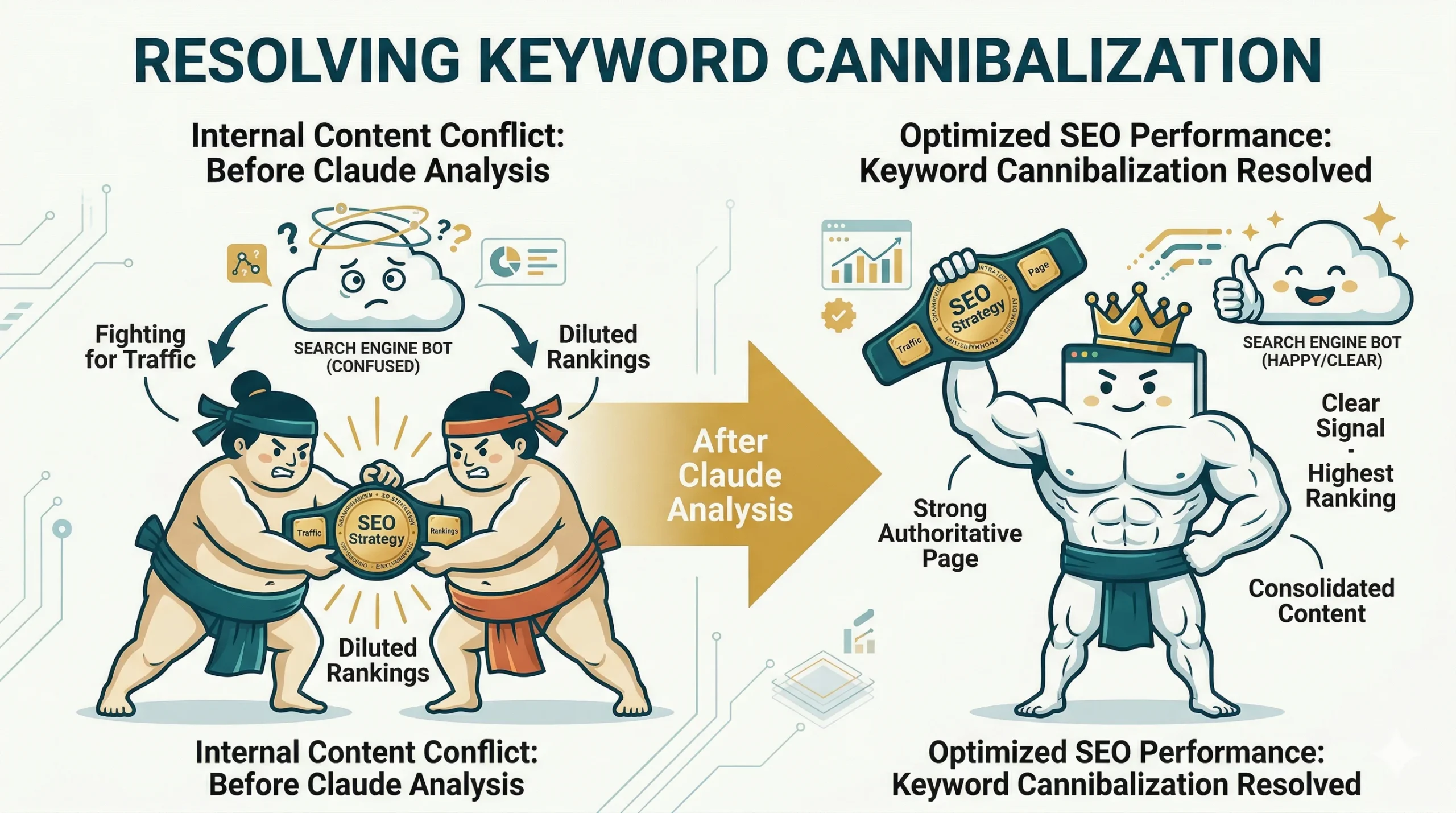
Learn how to write SEO content for real estate listings that rank on Google. Optimize descriptions, fix duplicate content, and…
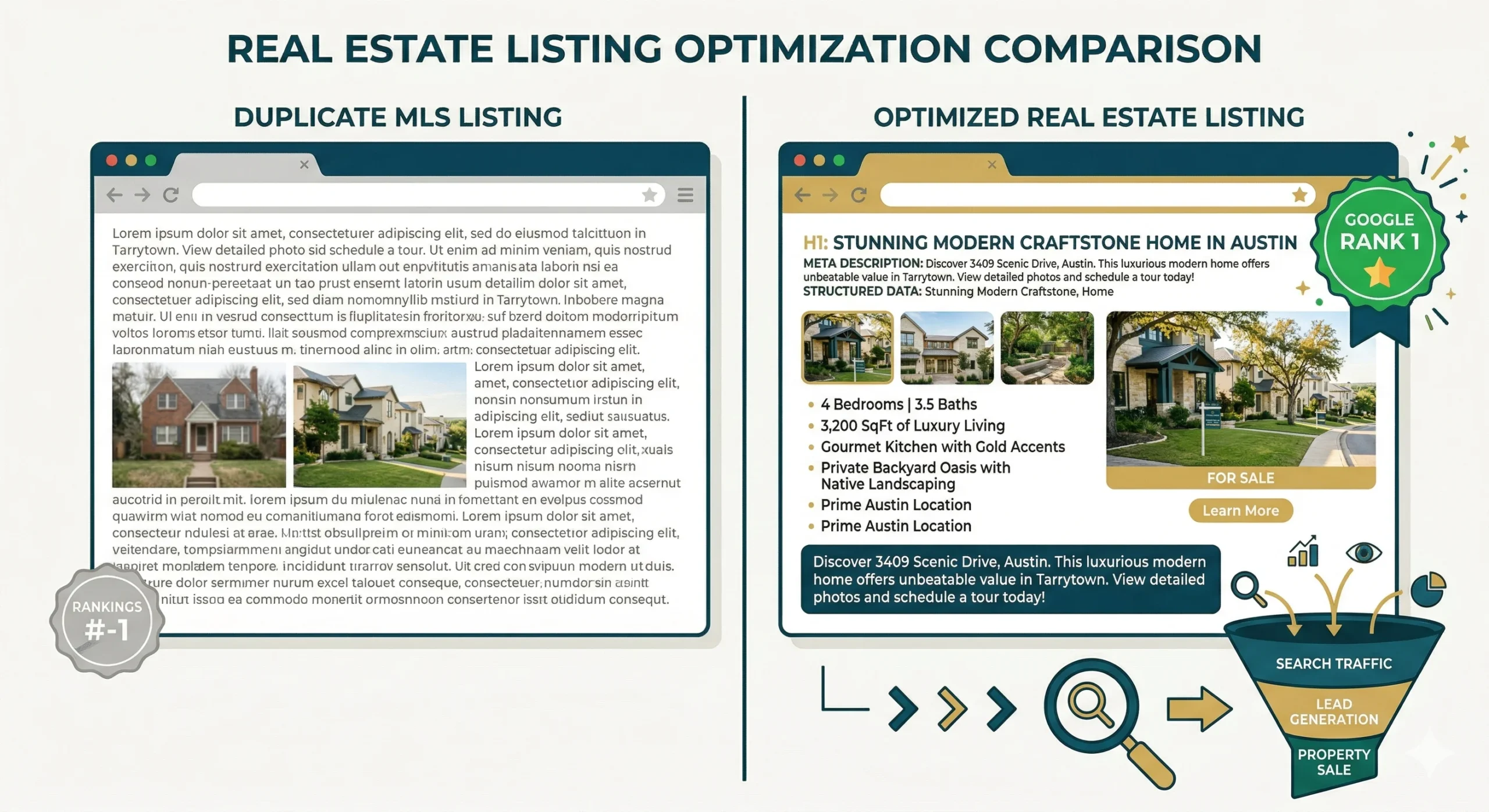
Learn how to write SEO content for real estate listings that rank on Google. Optimize descriptions, fix duplicate content, and…
How SEO Helps Realtors Generate Consistent Leads
Why is ranking for “homes for sale in [city]” important?
Ranking for “homes for sale in [city]” puts your website directly in front of buyers who have immediate transactional intent. These are people actively looking to browse inventory and make a purchase.
This matters because capturing traffic at this stage eliminates the middleman. Instead of the buyer browsing an aggregator, they are browsing your IDX feed and contacting you for showings.
If you rank for “homes for sale in Tampa,” a buyer lands on your site, sets up an account to save their favorite properties, and automatically enters your CRM as an exclusive lead.
How does local visibility drive real estate success?
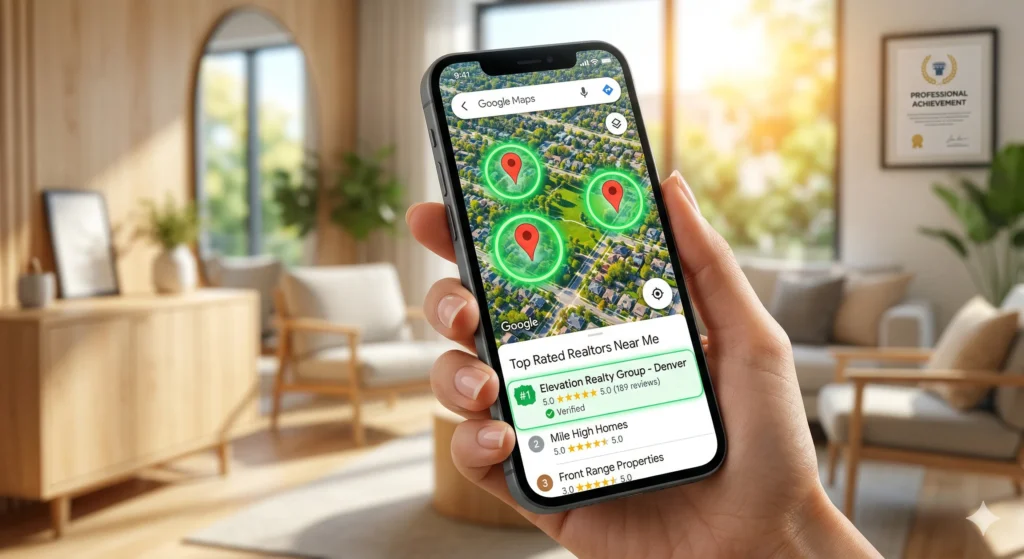
Local visibility ensures that your agency dominates the “Google Map Pack” when people search for “realtor near me.” This is the section of Google that highlights three local businesses with their ratings and contact info.
This matters because mobile users frequently click the call button directly from the map results. High local visibility builds instant trust through proximity and visible client reviews.
A seller looking to list their home will often search “real estate agents in Denver.” If your Google Business Profile shows up first with forty 5-star reviews, you will get the listing appointment.
How does organic traffic turn into inbound leads?
Organic traffic turns into inbound leads by answering the searcher’s specific questions and offering a clear next step. When visitors find valuable, local information on your site, they willingly exchange their contact info for your help.
This matters because inbound leads have fundamentally different psychology than outbound leads. They are not annoyed by your call; they are expecting it because they reached out to you.
A user might read your blog post on “property taxes in New Jersey.” At the bottom, they click a button that says “Get a Free Home Valuation,” instantly becoming a warm seller lead.
Complete SEO Strategy for Realtors in the USA
If you want a truly comprehensive deep dive into this topic, head over to this blog: Complete guide to real estate SEO.
Keyword Strategy for Realtors
A keyword strategy for realtors involves finding the exact phrases buyers and sellers type into Google in your specific market. You must target both broad city terms and narrow neighborhood phrases.
This matters because targeting the wrong keywords wastes time and resources. You must align your content with exactly what your ideal client is searching for today.
Essential Keyword Types:
City-based keywords — Targeting broad terms like “Orlando real estate agent.” These drive high volume but have heavy competition.
Neighborhood keywords — Targeting specific areas like “condos in Winter Park.” These have lower volume but much higher conversion rates.
Buyer vs seller intent — Buyers search for “homes for sale,” while sellers search for “how much is my home worth.” Your strategy must capture both sides of the funnel.
Local SEO Optimization
Local SEO optimization is the process of improving your digital footprint so you show up in local map searches. It requires consistency across your business name, address, and phone number online.
This matters because real estate is inherently a localized business. Google prioritizes showing searchers agents who are physically close to them and have a verified, trusted presence.
Core Local Elements:
Google Business Profile — Claiming and fully filling out your GBP is non-negotiable. It acts as your primary digital storefront on Google Maps.
Review generation — Consistently getting 5-star reviews from past clients. Google uses review velocity and score as a massive ranking factor.
Local citations — Listing your agency on directories like Yelp, Chamber of Commerce, and Better Business Bureau. This proves to Google that your business is legitimate.
Content Marketing for Realtors
Content marketing for realtors means creating helpful articles, videos, and guides that answer client questions. It positions you as the local market educator rather than just a salesperson.
This matters because answering specific questions builds immense trust. When a buyer learns everything they need to know from your site, they naturally choose you as their representative.
Content Priorities:
Blog strategy — Writing articles answering common local questions, like “Is 2026 a good time to buy in Phoenix?”
Area guides — Building massive, detailed pages about specific neighborhoods, covering schools, parks, and lifestyle.
Buyer/seller content — Creating step-by-step checklists and guides for first-time buyers or nervous sellers.
On-Page SEO for Real Estate Websites
On-page SEO involves optimizing the individual pages of your website so Google understands exactly what they are about. It requires formatting your content with the right tags, links, and structures.
This matters because great content won’t rank if Google’s robots cannot read or categorize it properly. Clean on-page SEO acts as a roadmap for search engines.
Our complete On-Page SEO service starts at just $4800. See what’s included.
On-Page Tactics:
Title optimization — Crafting click-worthy headlines that include your primary local keyword.
Internal linking — Linking your blog posts to your property search pages. This passes SEO value around your website.
Conversion-focused pages — Ensuring every page has a clear Call to Action (CTA), like a contact form or a home valuation tool, turning traffic into actual leads.
Beyond search rankings, you need a high-converting system to turn traffic into clients; explore our updated real estate lead generation strategies for the USA.

SEO vs Zillow Leads – Which is Better?
How do the costs compare between SEO and Zillow?
Zillow operates on a pay-per-lead or percentage-of-commission model, which scales up as your business grows. SEO requires an upfront investment in content and optimization, but the ongoing cost remains relatively flat.
This matters because Zillow taxes your success. With SEO, once you achieve top rankings, your cost per lead drops dramatically as your organic traffic increases.
If you spend $2,000 a month on Zillow, you get a fixed number of leads. If you invest $2,000 a month in a real estate SEO strategy in the USA, you build a permanent digital asset that generates free leads for years.
How does lead quality differ?
Zillow leads are notoriously top-of-funnel and shared among multiple agents, leading to low response rates. SEO leads are exclusive, high-intent prospects who have actively chosen to contact you.
This matters because high-quality leads save you time. You spend less hours dialing cold, shared numbers and more time going on actual listing appointments.
An SEO lead has likely read your neighborhood guide and seen your face on your website. By the time they call, they already trust you as the local authority.
What is the long-term ROI comparison?
The ROI of Zillow drops to zero the exact second you stop paying your monthly bill. The ROI of SEO compounds over time, similar to investing in a retirement account.
This matters because true business wealth comes from owning assets. A website that generates 50 organic leads a month is a sellable, highly valuable business asset.
A blog post written today might cost $300 to produce. If it generates just one commission per year for the next five years, the return on investment is astronomical.
How Long Does SEO Take for Realtors?
What are realistic expectations for real estate SEO?
SEO is a marathon, not a sprint. It takes time for Google to index your new content, understand your local relevance, and trust your website enough to rank it above older competitors.
This matters because many realtors quit SEO just before it starts working. You must view it as a 12-month business strategy, not a quick-fix marketing hack.
If you launch a brand new website today, you will not rank for “Miami real estate” next week. You have to earn that spot through consistent optimization.
What is the standard timeline for results?
The standard timeline to see meaningful organic traffic and lead generation is typically 3 to 6 months. In highly competitive US markets, it can take up to 9 to 12 months to dominate page one.
During months 1-3, your foundation is built and technical errors are fixed. By months 4-6, your content begins moving up from page three to page one, and the inbound calls start coming in consistently.
A common technical hurdle for agents is managing duplicate data, which is why we’ve created a specific guide on how to rank IDX listings using SEO optimization.

How Scribo Media Helps Realtors Generate Leads
Generating leads without Zillow requires a highly technical, consistent approach to search engines. You need an agency that understands the specific nuances of the US real estate market.
At Scribo Media, we build customized, US-focused content strategies for top-producing realtors and brokers. We do not use generic templates; we build localized authority.
Our focus is entirely on creating an owned lead generation system for your brand. We handle the keyword research, the local SEO, and the heavy content writing, turning your website into an automated digital prospector.
Conclusion
SEO for realtors is no longer just a marketing option; it is a business necessity. As third-party portals become more expensive and less effective, owning your digital presence is the only way to ensure long-term survival in the US market.
By building localized content, optimizing your Google profile, and answering your clients’ questions, you create a moat around your business. You step off the lead-buying hamster wheel and become the hunted, rather than the hunter.
Stop renting your business from aggregators. Start building your own digital real estate today.

Frequently Asked Questions (FAQs)
1. What is SEO for realtors?
SEO for realtors is the process of optimizing a real estate website to rank highly on Google for local property and agent searches. It helps agents generate free, organic leads instead of paying for ads.
2. Can I do real estate SEO myself?
Yes, you can do basic SEO yourself by writing local blog posts and optimizing your Google Business Profile. However, advanced technical SEO and competitive keyword ranking usually require an expert agency.
3. How much does real estate SEO cost?
Depending on the market size and competition, professional real estate SEO in the USA typically costs between $1,000 and $3,000 per month. This covers content creation, technical fixes, and local map optimization.
4. How is SEO different from Google Ads (PPC)?
SEO focuses on earning free, organic rankings over time through content and authority. Google Ads requires paying a fee every time someone clicks your link, but provides immediate visibility.
5. Do I still need Zillow if I do SEO?
Many agents use Zillow for short-term leads while their SEO builds momentum over the first 6 months. Eventually, a strong SEO strategy can entirely replace the need to buy leads from Zillow.
6. What are the best keywords for realtors to target?
The best keywords are hyper-local and intent-driven. Examples include “homes for sale in [Neighborhood],” “best listing agent in [City],” and “moving to [City] guide.”
7. Why does my Google Business Profile matter for SEO?
Your Google Business Profile powers the “Map Pack” results, which show up at the very top of local Google searches. A fully optimized profile with good reviews is the fastest way to get local inbound calls.
8. How often should a realtor publish blog posts?
To build topical authority, realtors should aim to publish 2 to 4 high-quality, locally focused blog posts per month. Consistency is more important than publishing a massive batch all at once.
9. What is an area guide in real estate SEO?
An area guide is a comprehensive web page detailing what it is like to live in a specific town or neighborhood. It attracts out-of-town buyers who are researching the area before contacting an agent.
10. How long does it take for a real estate website to rank?
A well-optimized real estate website generally takes 3 to 6 months to start seeing significant organic traffic. Highly competitive major cities may take up to a year to achieve top rankings.
11. Why do backlinks matter for real estate websites?
Backlinks are links from other reputable websites pointing to yours. They act as “votes of confidence,” proving to Google that your real estate site is trustworthy and authoritative in your local market.
12. Is social media considered SEO?
No, social media is a separate marketing channel and does not directly impact your Google SEO rankings. However, sharing your SEO-optimized blog posts on social media can drive initial traffic to your website.
Author: Akash Gupta