Category: Search Engine Optimization (SEO)

  • Which SEO Strategy Is Right for Your Business? (eCommerce, Small Business & Local SEO Guide)

    Which SEO Strategy Is Right for Your Business? (eCommerce, Small Business & Local SEO Guide)

    Quick Summary:

    SEO is not one-size-fits-all. The right SEO strategy depends on your business type—eCommerce, small business, or local services. While eCommerce SEO focuses on product visibility and conversions, small businesses benefit from low-competition keywords and cost-efficient strategies, and local SEO targets nearby customers through maps and reviews. Choosing the right SEO approach ensures better traffic, higher conversions, and sustainable growth.

    Last Updated: 2026, March 20 | Published By Akash Gupta

    If you’ve ever searched for SEO services, you’ve probably noticed something confusing.

    Everyone claims to offer “the best SEO.”

    But here’s the truth:

    SEO is not one-size-fits-all.

    What works for an eCommerce store will not work for a local shop.
    And what works for a small business won’t scale for a large product catalog.

    So the real question isn’t:

    👉 Which SEO service is best?”

    👉 It’s: “Which SEO strategy is right for MY business?”

    Let me explain this in a simple, practical way.


    What Are Use-Case Driven SEO Services?

    Use-case driven SEO means choosing SEO strategies based on your business model, goals, and audience type.

    It matters because different businesses attract traffic differently.

    For example:

    • An eCommerce store targets product searches
    • A local business targets nearby customers
    • A small business often needs cost-efficient visibility

    If you’re still exploring tools to execute SEO, check out this guide on
    👉 https://scribomedia.com/free-seo-tools-2026/
    It helps you understand what tools support each type of strategy.

    So instead of generic SEO, you need focused SEO built for your use-case.


    What Is SEO for eCommerce Businesses?

    SEO for eCommerce focuses on ranking product pages, category pages, and driving transactional traffic.

    This matters because eCommerce SEO directly impacts sales, not just traffic.


    Key Elements of eCommerce SEO

    1. Product Page Optimization

    Product pages are where conversions happen.

    This includes:

    • keyword-rich product titles
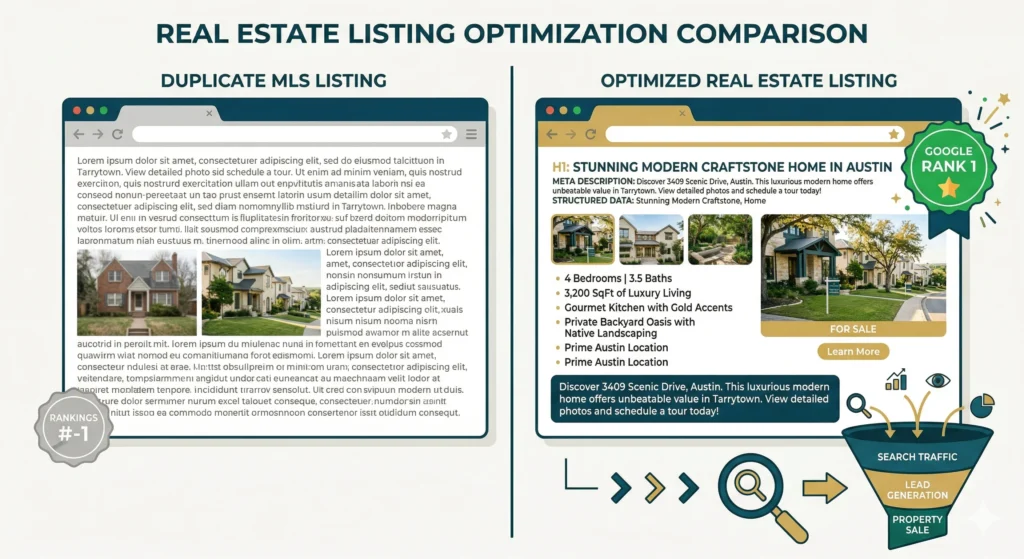
    • optimized descriptions
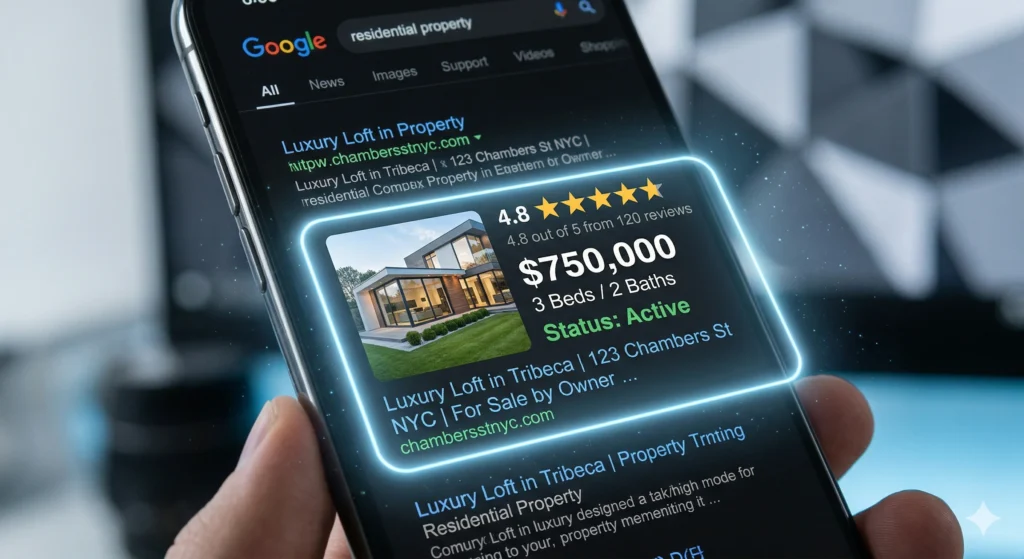
    • structured data (reviews, pricing)

    Without proper optimization, your products won’t appear for high-intent searches.


    2. Category Page SEO

    Category pages target broad, high-volume keywords.

    Examples include:

    • “running shoes for men”
    • “wireless headphones under 5000”

    These pages act as traffic hubs and guide users toward purchase decisions.


    3. Technical SEO for Large Sites

    eCommerce websites often face:

    • crawl budget issues
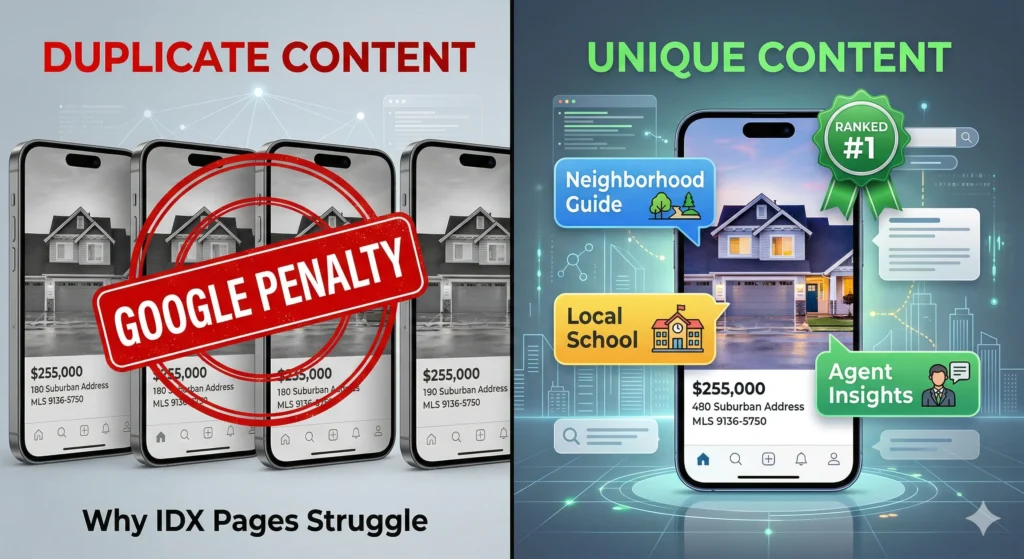
    • duplicate content
    • slow loading pages

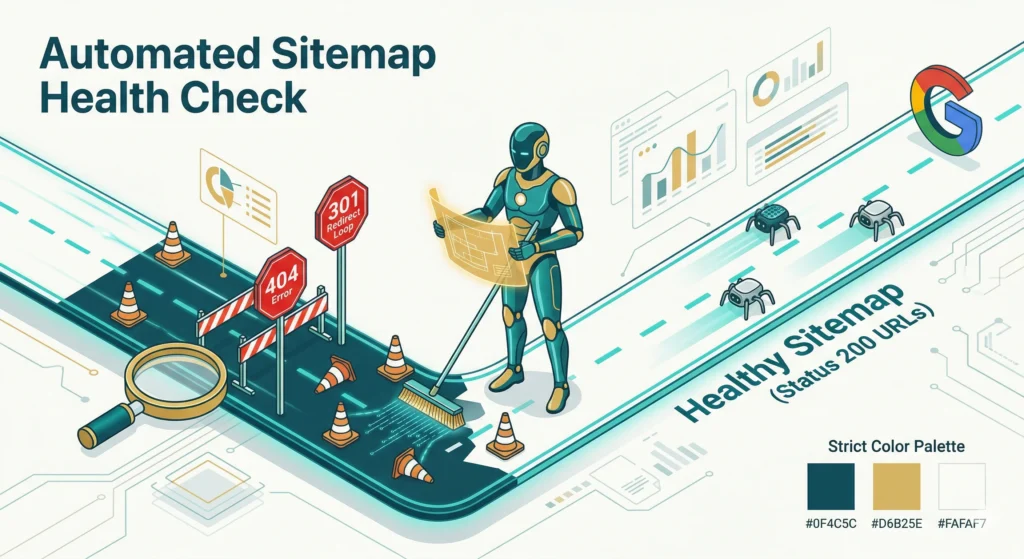
    Technical SEO ensures your website is accessible, fast, and indexable.

    If you’re curious how AI is changing content and technical optimization, this guide explains it well:
    👉 https://scribomedia.com/how-companies-are-optimizing-content-for-ai-search/


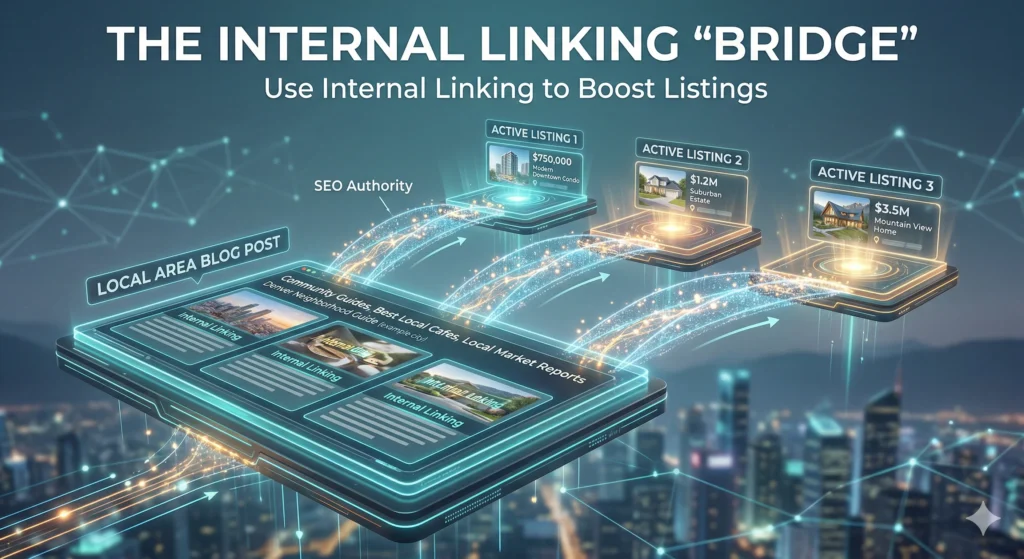
    4. Internal Linking Strategy

    Internal links help search engines understand your site structure.

    They connect:

    • blogs → categories
    • categories → products

    This improves both rankings and user navigation.


    What Are the Best SEO Services for eCommerce?

    The best eCommerce SEO services include:

    • complete site audit — identifies structural and technical issues
    • keyword mapping — aligns keywords with each page
    • content strategy — attracts top-of-funnel traffic
    • CRO (conversion rate optimization) — improves revenue

    👉 The key insight:
    Traffic without conversions is wasted effort.


    What Is SEO for Small Businesses?

    SEO for small businesses focuses on getting results with limited resources.

    This matters because small businesses need:

    • quick wins
    • affordable strategies
    • local visibility


    How Small Business SEO Works

    1. Target Low-Competition Keywords

    Instead of competing globally, small businesses focus on specific search intent.

    Example:

    Instead of “SEO services,”

    target
    👉 “SEO services for salons in Kolkata”

    This increases your chances of ranking faster.


    2. Focus on Local Visibility

    Local traffic converts faster because users already have intent.

    This includes:

    • location-based keywords
    • Google Maps optimization
    • local landing pages


    3. Content That Builds Authority

    Content helps small businesses build trust.

    This includes:

    • blogs
    • service pages
    • FAQs

    If you’re also offering services or freelancing, this guide helps you turn SEO into clients:
    👉 https://scribomedia.com/how-to-find-clients-for-freelancing-21-ways/


    What Are the Best SEO Services for Small Businesses?

    The best services focus on efficiency and ROI.

    They include:

    • local keyword research — targets easier ranking opportunities
    • on-page SEO — improves website clarity
    • Google Business optimization — boosts visibility
    • foundational backlinks — builds authority gradually

    If you want to scale your strategy further, explore modern tools here:
    👉 https://scribomedia.com/ai-seo-tools-2026/

    👉 Key insight:
    Small businesses win by being specific, not by being big.


    Can SEO Improve Local Rankings?

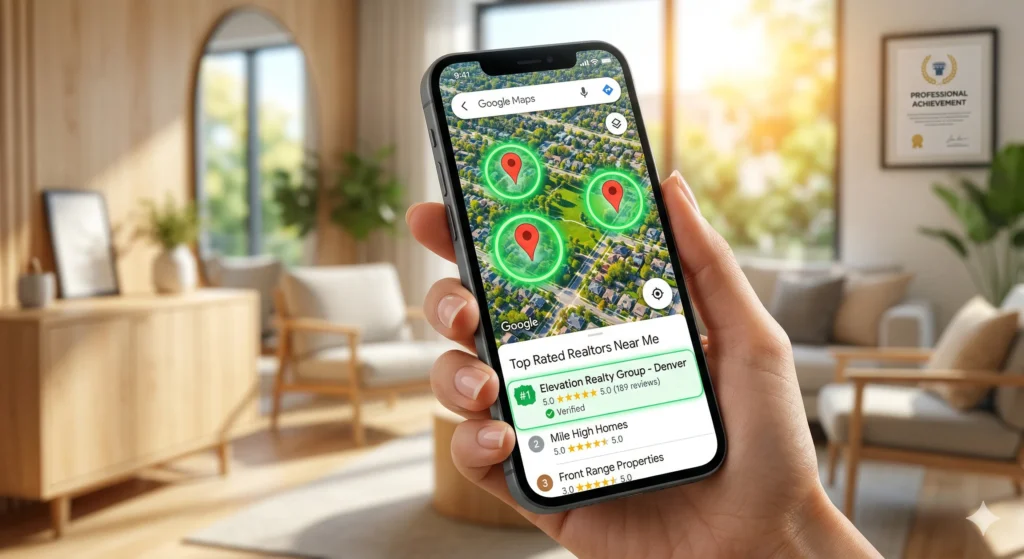
    Yes — and this is where SEO delivers some of the fastest, most visible results.

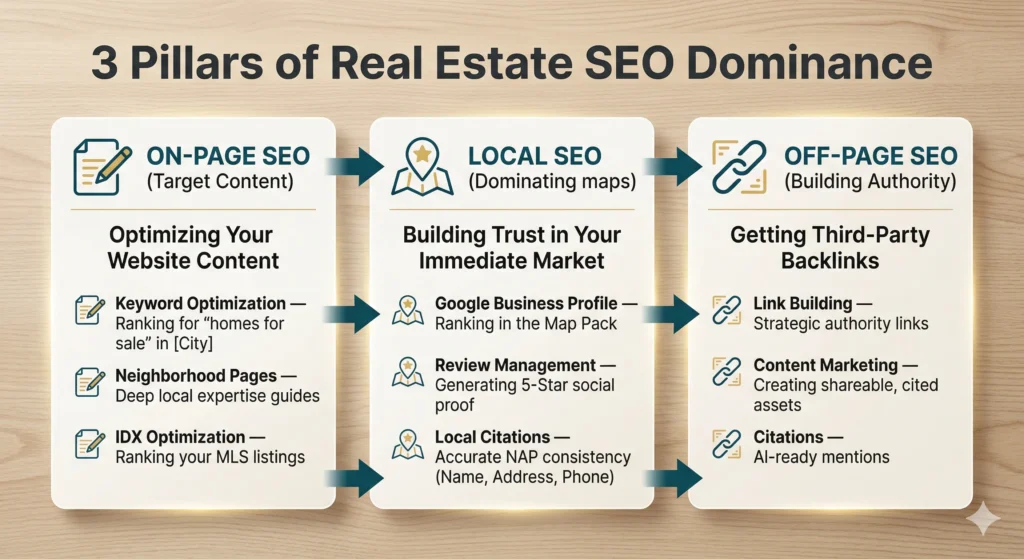
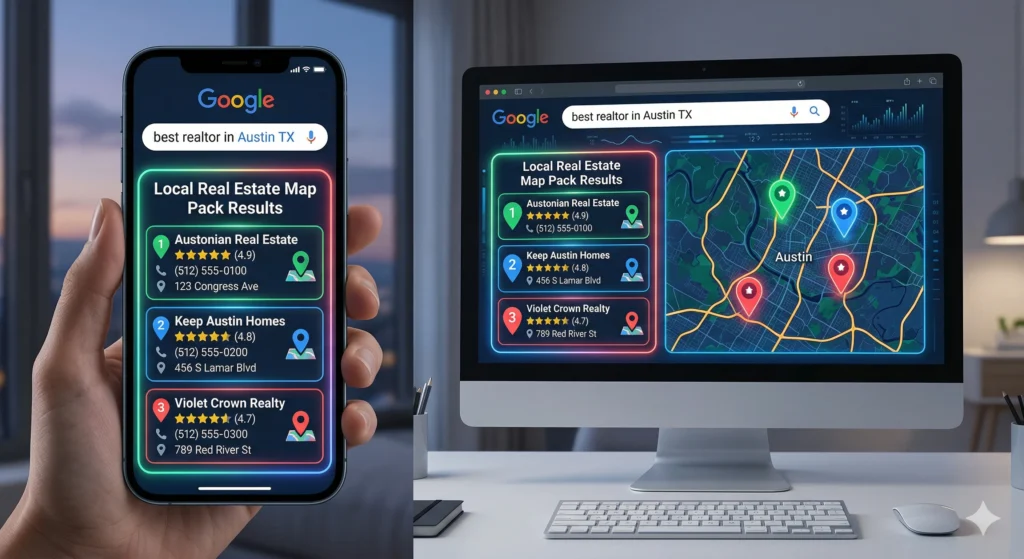
    Local SEO helps businesses appear in:

    • Google Maps
    • “near me” searches
    • location-specific queries


    How Local SEO Works

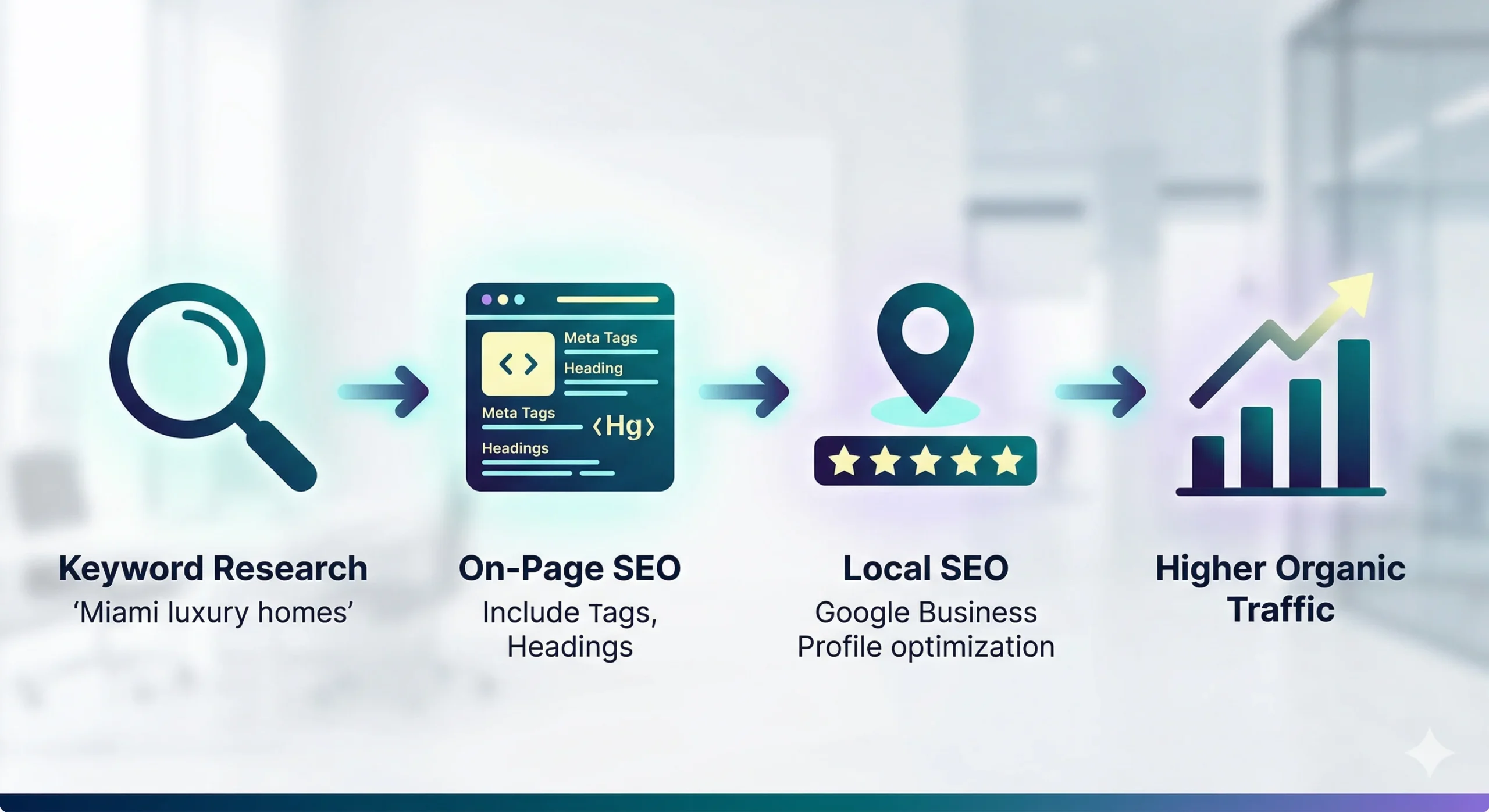
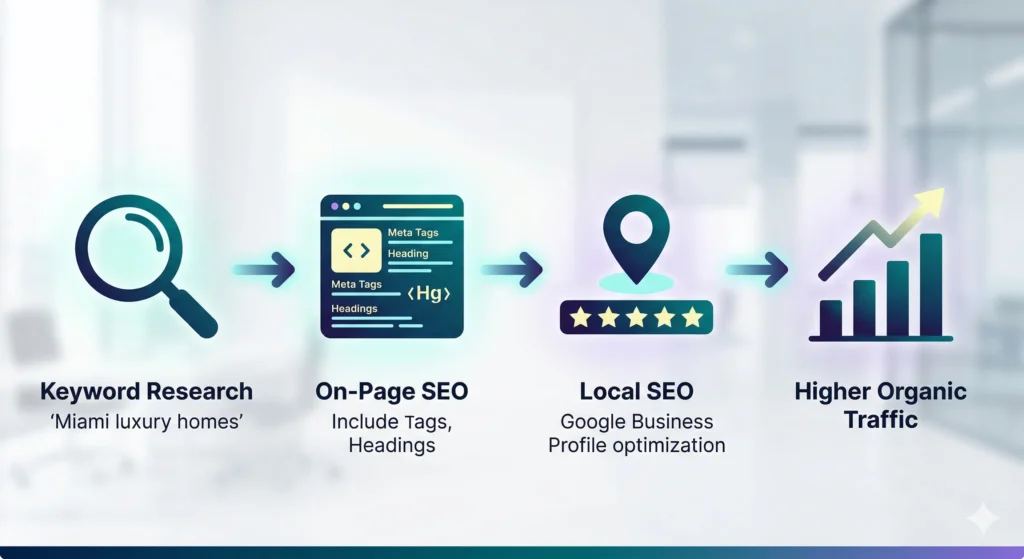
    1. Google Business Profile Optimization

    Your listing acts like a mini-website.

    It includes:

    • services
    • photos
    • reviews

    Optimizing this increases your chances of appearing in top map results.


    2. Local Keywords

    These keywords capture high-intent users.

    Examples:

    • “best dentist near me”

    • “cafes in Kolkata open now”

    These users are ready to take action.


    3. Reviews and Reputation

    Reviews act as social proof.

    More positive reviews:

    • increase trust
    • improve click-through rates
    • influence rankings


    4. Local Citations

    These are consistent mentions of your business across directories.
    They help Google verify:

    • your business name
    • address
    • phone number

    To strengthen this further, learn about advanced off-page strategies:
    👉 https://scribomedia.com/off-page-seo-2026/

    • All Posts
    • Digital Marketing
    • Meta- Facebook & Instagram
      •   Back
      • Digital Marketing Updates
      • Lead Generation
      • Client Acquisition
      • Search Engine Optimization (SEO)
      • AI Search Optimization (AISO)
      • Off Page SEO
      • Local SEO
      • SEO Strategy
      • eCommerce SEO
      • Small Business SEO
      • Guest Posting
      • Link Building
      •   Back
      • Off Page SEO
      • Local SEO
      • SEO Strategy
      • eCommerce SEO
      • Small Business SEO
      • Guest Posting
      • Link Building
      •   Back
      • Guest Posting
      • Link Building
      •   Back
      • Meta Algorithm Updates
    Load More

    End of Content.

    What Are the Best Local SEO Services?

    The best local SEO services focus on visibility, trust, and conversions.

    They include:

    • Google Business optimization — improves map presence
    • review generation — builds credibility
    • citation building — ensures consistency
    • localized content — attracts targeted traffic

    👉 Key takeaway:
    Local SEO works because it meets users at the moment of need.


    What Should You Look for in an eCommerce SEO Provider?

    Choosing the right provider can make or break your results.

    A good provider should:

    • understand buyer intent
    • optimize for conversions, not just clicks
    • handle technical SEO at scale
    • provide transparent reporting


    Red Flags to Avoid

    • one-size-fits-all packages
    • no mention of revenue impact
    • lack of technical expertise
    • vague reporting

    👉 Insight:
    If your SEO partner doesn’t talk about outcomes, they’re not strategic.


    How to Choose the Right SEO Strategy for Your Business

    Let’s simplify this.

    If You Run an eCommerce Store

    Focus on:

    • product optimization
    • category rankings
    • technical SEO

    👉 Goal: Increase revenue through organic traffic


    If You Run a Small Business

    Focus on:

    • niche keywords
    • local SEO
    • cost-efficient strategies

    👉 Goal: Generate consistent leads


    If You Serve Local Customers

    Focus on:

    • Google Maps ranking
    • reviews
    • location-based SEO

    👉 Goal: Capture nearby demand


    Why Use-Case SEO Is the Future

    This is where it gets interesting.

    Search engines now prioritize:

    • intent
    • relevance
    • user satisfaction

    Generic SEO no longer works.

    Even ad platforms are evolving with smarter algorithms — this breakdown helps you understand the shift:
    👉 https://scribomedia.com/meta-ads-andromeda-algorithm-update/

    👉 The future belongs to context-driven SEO strategies.


    Common Myths About SEO Services

    Myth 1: SEO is the same for every business

    Reality: Each business type requires a completely different approach based on audience and goals.


    Myth 2: More traffic means more revenue

    Reality: Untargeted traffic rarely converts. Intent matters more than volume.


    Myth 3: SEO delivers instant results

    Reality: SEO compounds over time and delivers sustainable growth.


    Actionable Strategy: How to Start With the Right SEO

    Step 1: Identify Your Business Type

    Understand whether you’re eCommerce, local, or service-based. This defines your entire SEO direction.


    Step 2: Define Your Goal

    Are you aiming for traffic, leads, or sales? Your goal determines your SEO priorities.


    Step 3: Choose the Right SEO Focus

    Match your business type with the correct strategy instead of trying everything at once.


    Step 4: Start With Quick Wins

    Focus on on-page SEO, local optimization, and keyword targeting to see early improvements.


    Final Thoughts

    SEO isn’t about doing more.

    It’s about doing what actually works for your business.

    When you align your SEO strategy with your use-case:

    • you attract the right audience
    • you convert better
    • you grow sustainably

    And that’s the difference between traffic and real business growth.


    Frequently Asked Questions (FAQs)

    1. What is the best SEO strategy for eCommerce?

    The best SEO strategy for eCommerce focuses on optimizing product and category pages while ensuring strong technical SEO. It’s important because these elements directly impact visibility in search and conversion rates. A well-structured eCommerce SEO strategy not only brings traffic but also turns visitors into paying customers.


    2. Is SEO worth it for small businesses?

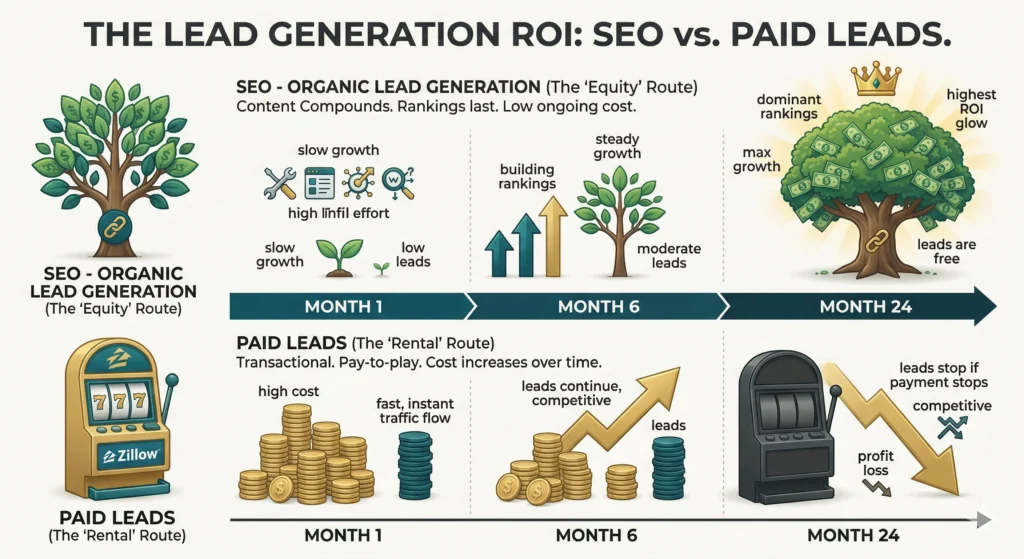
    Yes, SEO is one of the most cost-effective marketing channels for small businesses because it generates consistent, organic leads over time. Unlike paid ads, SEO continues to deliver results even after initial efforts. It helps small businesses compete with larger brands by targeting niche and local audiences.


    3. How long does SEO take to show results?

    SEO typically takes around 3 to 6 months to show noticeable results, depending on competition and strategy. Early improvements can happen faster with proper optimization, but long-term growth requires consistency. The key is to view SEO as a compounding investment rather than a quick fix.


    4. What is local SEO?

    Local SEO is the process of optimizing your business to appear in location-based searches such as “near me” queries and Google Maps. It helps businesses attract nearby customers who are ready to take action. This makes it one of the highest-converting forms of SEO.


    5. Can SEO increase sales for eCommerce stores?

    Yes, SEO can significantly increase sales by targeting high-intent keywords that match buyer behavior. When your products appear in relevant searches, users are more likely to convert. This makes SEO a direct revenue driver for eCommerce businesses.


    6. What are long-tail keywords?

    Long-tail keywords are specific search phrases that usually have lower competition but higher intent. They matter because users searching these terms often know exactly what they want. This leads to better conversion rates compared to broad keywords.


    7. Do small businesses need backlinks?

    Yes, backlinks are important because they signal authority and trust to search engines. However, small businesses should focus on quality backlinks rather than quantity. Even a few strong links can significantly improve rankings.


    8. What is a Google Business Profile?

    A Google Business Profile is a free listing that helps your business appear in local search results and Google Maps. It includes essential information like services, reviews, and contact details. Optimizing this profile is crucial for local SEO success.


    9. How do reviews impact SEO?

    Reviews influence SEO by improving trust, click-through rates, and local rankings. Businesses with more positive reviews tend to rank higher in local search results. They also help potential customers make decisions faster.


    10. Should I hire an SEO agency?

    Hiring an SEO agency can be beneficial if you lack time or expertise to execute strategies effectively. A good agency provides structured planning, technical knowledge, and measurable results. However, it’s important to choose one that aligns with your business goals.


    11. What is technical SEO?

    Technical SEO focuses on improving the backend of your website so search engines can crawl and index it properly. This includes site speed, mobile optimization, and fixing errors. Without technical SEO, even great content may not rank.


    12. Is SEO better than ads?

    SEO and ads serve different purposes, but SEO provides long-term value while ads offer immediate results. Over time, SEO becomes more cost-effective because it continues generating traffic without ongoing spend. Ideally, businesses should use both strategically.


    13. How do I choose the right SEO provider?

    You should look for a provider who understands your business model and focuses on outcomes, not just rankings. Transparency, reporting, and a clear strategy are essential factors. The right provider will align SEO efforts with your revenue goals.


    14. Can I do SEO myself?

    Yes, you can learn and implement SEO yourself, especially with the help of modern tools and guides. However, it requires time, consistency, and ongoing learning. Many businesses start DIY and later scale with expert support.


    15. What is the biggest SEO mistake?

    The biggest mistake is using a generic SEO strategy that doesn’t match your business type. This leads to wasted effort and poor results. Successful SEO always starts with understanding your specific use-case.


    Written by:
    https://www.linkedin.com/in/contentwriterakashgupta/

  • Off-Page SEO in 2026: Complete Guide to Link Building, Guest Posting & Authority Growth

    Off-Page SEO in 2026: Complete Guide to Link Building, Guest Posting & Authority Growth

    Quick Summary:

    Off-page SEO in 2026 is no longer just about building backlinks—it’s about building authority, trust, and relevance across the web. Modern link building focuses on high-quality, contextual backlinks, guest posting, and strategic content distribution. This guide explains practical off-page SEO strategies that help websites improve rankings, gain credibility, and get recognized by both search engines and AI systems.

    Last Updated: 2026, March 19 | Published By Akash Gupta

    Most people think off-page SEO is just about building backlinks.

    But that’s only half the truth.

    In 2026, off-page SEO is really about building authority, trust, and relevance across the internet — not just getting random links.

    Let me break this down in a practical way.


    What is Off-Page SEO (Simple Explanation)

    Off-page SEO refers to everything you do outside your website to improve your rankings.

    This includes:

    • backlinks
    • brand mentions
    • social signals
    • collaborations
    • content distribution

    In simple terms:

    It’s how the internet decides whether your content is trustworthy enough to rank.


    Is Off-Page SEO Still Relevant in 2026?

    Search engines and AI tools don’t just look at your content.

    They look at who is talking about you.

    Here’s what matters now:

    • quality backlinks (not quantity)
    • topical relevance
    • authority of referring sites
    • natural link patterns

    This is also why combining off-page SEO with strong content and tools is critical.

    If you haven’t explored the best tools yet, check this guide:
    https://scribomedia.com/free-seo-tools-2026/


    What is Link Building?

    Link building is the process of getting other websites to link to your content.

    These links act like votes of trust.

    But here’s the important part:

    Not all links are equal.


    Types of Backlinks (You Must Understand This)

    1. DoFollow Links

    These pass SEO value and help rankings.

    These are your primary goal.


    2. NoFollow Links

    These don’t pass direct SEO value, but still:

    • drive traffic
    • build brand awareness
    • create natural link profiles


    3. Contextual Links (Most Powerful)

    These are links placed inside content.

    Example:

    A blog mentioning your article and linking naturally.

    These are gold for SEO.


    What Makes a High-Quality Backlink?

    Not all backlinks help you rank.

    A good backlink has:

    • relevant content
    • high domain authority
    • real traffic
    • natural placement
    • editorial context

    Bad links can actually hurt your rankings.


    Guest Posting: The Most Practical Link Building Strategy

    Guest posting still works — if done correctly.

    But most people do it wrong.

    Let me show you the right way.


    What is Guest Posting?

    Guest posting means writing an article for another website and getting a backlink in return.

    It’s one of the most reliable ways to:

    • build backlinks
    • increase visibility
    • establish authority


    How to Find Guest Posting Opportunities

    Here are practical methods:

    Google Search Operators

    Search like this:

    • “write for us + marketing”
    • “guest post + SEO”
    • “submit article + digital marketing”


    Competitor Backlink Analysis

    Find where competitors are getting links from.

    Then reach out to the same websites.


    Freelance Platforms & Communities

    Many website owners actively look for contributors.

    Also, if you’re freelancing, this guide can help you land clients:
    https://scribomedia.com/how-to-find-clients-for-freelancing-21-ways/


    How to Pitch for Guest Posts (Practical Template)

    Keep it simple.

    Email
     
    Subject:

    Hi [Name],

    I came across your blog and really liked your content on [topic].

    I’d love to contribute a high-quality article that would bring value to your audience.

    Here are a few topic ideas:

    [Idea 1]
    [Idea 2]
    [Idea 3]

    Let me know if you’re interested.

    Best,
    [Your Name]


    How to Write Guest Posts That Get Accepted

    Most guest posts fail because they are:

    • too generic
    • overly promotional
    • low quality

    Instead:

    • provide real value
    • use data/examples
    • match their content style
    • avoid excessive self-promotion


    Link Building Strategies That Actually Work in 2026

    Let’s go beyond guest posting.


    1. Content-Led Link Building

    Create content people naturally want to link to.

    Examples:

    • guides
    • case studies
    • original insights
    • data-backed articles

    If you’re learning how AI content impacts SEO, read this:
    https://scribomedia.com/how-companies-are-optimizing-content-for-ai-search/


    2. Broken Link Building

    This is highly underrated.

    Process:

    • find broken links on websites
    • suggest your content as a replacement

    It’s a win-win.


    3. Resource Page Link Building

    Many websites have resource pages.

    You can:

    • find relevant pages
    • suggest your content

    This works especially well for educational content.


    4. HARO & PR Mentions

    Help A Reporter Out (HARO) allows you to:

    • get featured in articles
    • earn high-authority backlinks

    These links are extremely powerful.


    5. Social Distribution & Content Amplification

    Sharing content increases visibility.

    This can lead to:

    • organic backlinks
    • brand mentions
    • collaborations


    6. AI + SEO Link Building Strategy

    AI is changing how content spreads.

    If you’re exploring AI-driven SEO tools, check this:
    https://scribomedia.com/ai-seo-tools-2026/

    AI helps you:

    • find outreach opportunities
    • generate pitches
    • scale content creation


    Anchor Text Strategy (Important)

    Anchor text is the clickable text of a link.

    Good practice:

    • use natural phrases
    • avoid over-optimization
    • mix branded + generic anchors

    Bad example:

    “best SEO services cheap fast”

    Good example:

    “learn more about SEO strategies”


    Common Link Building Mistakes to Avoid

    Most beginners make these mistakes:

    • buying low-quality backlinks
    • using spammy directories
    • over-optimizing anchor text
    • ignoring relevance

    These can harm your rankings.

    • All Posts
    • Digital Marketing
    • Meta- Facebook & Instagram
      •   Back
      • Digital Marketing Updates
      • Lead Generation
      • Client Acquisition
      • Search Engine Optimization (SEO)
      • AI Search Optimization (AISO)
      • Off Page SEO
      • Local SEO
      • SEO Strategy
      • eCommerce SEO
      • Small Business SEO
      • Guest Posting
      • Link Building
      •   Back
      • Off Page SEO
      • Local SEO
      • SEO Strategy
      • eCommerce SEO
      • Small Business SEO
      • Guest Posting
      • Link Building
      •   Back
      • Guest Posting
      • Link Building
      •   Back
      • Meta Algorithm Updates
    Load More

    End of Content.

    How Long Does Off-Page SEO Take to Work?

    Off-page SEO is slow.

    Typically:

    • 1–3 months → initial movement
    • 3–6 months → noticeable results
    • 6+ months → strong authority

    Consistency is key.


    How Off-Page SEO Connects with Ads and Algorithms

    Off-page signals also influence ad performance indirectly.

    More authority = better trust = better conversions.

    If you’re running paid campaigns, this update is important:
    https://scribomedia.com/meta-ads-andromeda-algorithm-update/


    Practical Off-Page SEO Workflow

    Here’s a simple system you can follow:


    Step 1: Create Link-Worthy Content

    Focus on:

    • helpful guides
    • unique insights
    • structured content


    Step 2: Find Opportunities

    Use:

    • Google search
    • competitor analysis
    • outreach lists


    Step 3: Outreach

    Send:

    • personalized emails
    • value-driven pitches


    Step 4: Build Relationships

    This is underrated.

    Strong relationships = recurring backlinks.


    Step 5: Track Results

    Monitor:

    • backlinks
    • rankings
    • traffic


    Final Thoughts

    Off-page SEO is not about chasing links anymore.

    It’s about building real authority across the web.

    The people who win in 2026 are not the ones building the most backlinks.

    They are the ones building:

    • trust
    • relevance
    • visibility

    The real strategy is simple:

    Create great content.

    Promote it smartly.

    Build relationships.

    That’s how authority grows.


    Frequently Asked Questions (FAQs)

    What is off-page SEO in simple terms?

    Off-page SEO refers to actions taken outside your website, like backlinks and brand mentions, to improve your search rankings.


    Is link building still important in 2026?

    Yes, link building is still a major ranking factor. However, quality and relevance matter more than quantity.


    What is the best link building strategy?

    Guest posting and content-led link building are among the most effective strategies in 2026.


    Are backlinks still relevant for AI search?

    Yes, AI systems rely on authoritative sources, and backlinks help identify trustworthy content.


    What is guest posting in SEO?

    Guest posting is writing content for another website in exchange for a backlink to your site.


    How do I get backlinks for free?

    You can get free backlinks through guest posting, outreach, broken link building, and content marketing.


    How many backlinks do I need to rank?

    There is no fixed number. It depends on your competition and the quality of backlinks.


    What are toxic backlinks?

    Toxic backlinks are low-quality or spammy links that can negatively impact your rankings.


    How do I check my backlinks?

    You can use tools like Google Search Console or Ahrefs free tools to analyze backlinks.


    Does social media help off-page SEO?

    Yes, social media helps increase visibility, which can lead to backlinks and brand mentions.


    What is anchor text in SEO?

    Anchor text is the clickable text used in a hyperlink.


    Can I buy backlinks?

    Buying backlinks is risky and can lead to penalties if done incorrectly.


    How long does it take to see results from link building?

    It usually takes 3–6 months to see noticeable results from link building efforts.


    What is the difference between on-page and off-page SEO?

    On-page SEO focuses on your website content, while off-page SEO focuses on external signals like backlinks.


    Is off-page SEO hard for beginners?

    It can be challenging at first, but with the right strategy and consistency, it becomes manageable.


    LinkedIn:
    https://www.linkedin.com/in/contentwriterakashgupta/


  • Best Free SEO Tools for Content Writing and Marketing in 2026: What Actually Works Today

    Best Free SEO Tools for Content Writing and Marketing in 2026: What Actually Works Today

    Quick Summary:

    Free SEO tools in 2026 are powerful enough to help you rank on Google, optimize content, and even get cited by AI systems like ChatGPT and Google AI Overviews. By combining tools for keyword research, content optimization, technical SEO, and AI-driven insights, marketers can build effective SEO strategies without spending money. The key is using the right workflow and focusing on content quality, structure, and search intent.

    Last Updated: 2026, March 19 | Published By Akash Gupta

    Many people think you need expensive tools to succeed in SEO.

    But that’s not entirely true.

    In 2026, some of the most powerful SEO tools are completely free — and they’re more than enough to grow traffic, rank content, and even get cited by AI systems.

    Let me explain how this actually works.


    Why Free SEO Tools Are More Powerful Than Ever

    SEO has changed.

    It’s no longer just about keywords — it’s about content quality, structure, and topical authority.

    And the interesting part?

    Many free tools now give you exactly what you need to do this effectively.

    These tools help you:

    • find what people are searching
    • optimize content for search engines
    • analyze competitors
    • improve readability
    • track performance

    You don’t need a big budget.

    You need the right system.


    What Are SEO Tools (Simple Explanation)

    SEO tools are software platforms that help you improve your content so it ranks higher on search engines.

    They show you:

    • what keywords to target
    • how competitive a topic is
    • how well your content is optimized
    • what improvements you should make

    Think of them as a guide that helps search engines understand your content better.


    Best Free SEO Tools for Keyword Research

    Keyword research is the foundation of SEO.

    If you don’t know what people are searching for, your content won’t get traffic.

    Here are the best free tools in 2026.


    1. Google Keyword Planner

    This is one of the most reliable tools because it comes directly from Google.

    It shows:

    • search volume
    • keyword ideas
    • competition levels

    It’s perfect for beginners starting with SEO.


    2. Ubersuggest (Free Version)

    Ubersuggest gives you keyword ideas along with basic SEO difficulty.

    It also shows:

    • content ideas
    • backlink data
    • traffic estimates

    Great for quick research.


    3. AnswerThePublic

    This tool is incredibly powerful for question-based content.

    It shows real questions people search like:

    • “What is SEO in simple terms”
    • “Is SEO dead in 2026”

    This is exactly what you need for AI-friendly content.


    Best Free Tools for Content Optimization

    Writing content is not enough.

    You need to structure it properly so search engines and AI can understand it.


    4. Yoast SEO (Free Plugin)

    If you use WordPress, this is essential.

    It helps with:

    • readability
    • keyword placement
    • meta descriptions

    It basically tells you how to improve your post step by step.


    5. Hemingway Editor

    This tool improves clarity.

    It highlights:

    • long sentences
    • complex words
    • passive voice

    In 2026, simple content performs better — and this tool helps you achieve that.


    6. Grammarly (Free Version)

    Grammarly fixes grammar and improves writing quality.

    It ensures your content is:

    • clean
    • professional
    • easy to read

    Better writing = better engagement.


    Best Free SEO Tools for Competitor Analysis

    Understanding what others are doing can give you a big advantage.


    7. Google Search (Manual Research)

    Yes, Google itself is a tool.

    Search your topic and analyze:

    • top-ranking articles
    • headings they use
    • content structure

    This helps you understand what works.


    8. Ahrefs Free Tools

    Ahrefs offers limited free tools like:

    • backlink checker
    • keyword generator

    Even the free version gives valuable insights.


    9. SimilarWeb (Free Version)

    This tool helps you analyze traffic sources of websites.

    You can see:

    • where competitors get traffic
    • audience behavior

    This helps you refine your strategy.


    Best Free Technical SEO Tools

    Technical SEO ensures your site is accessible and fast.


    10. Google Search Console

    This is a must-have.

    It shows:

    • which keywords you rank for
    • indexing issues
    • performance data

    It’s your direct connection with Google.


    11. Google PageSpeed Insights

    Page speed matters more than ever.

    This tool analyzes:

    • loading speed
    • performance issues
    • optimization suggestions

    Faster sites rank better.


    12. Screaming Frog (Free Version)

    This tool scans your website.

    It helps you find:

    • broken links
    • missing tags
    • duplicate content

    Great for technical audits.


    Best Free AI SEO Tools in 2026

    This is where things get interesting.

    AI is changing how SEO works.


    13. ChatGPT (Free Plan)

    You can use it to:

    • generate content ideas
    • create outlines
    • optimize structure

    But remember — quality still depends on how you use it.


    14. Perplexity AI

    This tool is great for research.

    It provides:

    • direct answers
    • source-backed information

    It helps you create more accurate content.


    15. Google Gemini

    Gemini helps with:

    • content generation
    • topic exploration
    • summarization

    Useful for speeding up content creation.

    Are you too confused about the latest Andromeda update from Meta? Read this, it will help.

    • All Posts
    • Digital Marketing
    • Meta- Facebook & Instagram
      •   Back
      • Digital Marketing Updates
      • Lead Generation
      • Client Acquisition
      • Search Engine Optimization (SEO)
      • AI Search Optimization (AISO)
      • Off Page SEO
      • Local SEO
      • SEO Strategy
      • eCommerce SEO
      • Small Business SEO
      • Guest Posting
      • Link Building
      •   Back
      • Off Page SEO
      • Local SEO
      • SEO Strategy
      • eCommerce SEO
      • Small Business SEO
      • Guest Posting
      • Link Building
      •   Back
      • Guest Posting
      • Link Building
      •   Back
      • Meta Algorithm Updates
    Load More

    End of Content.

    What Makes a Free SEO Tool Worth Using?

    Not all tools are useful.

    The best ones help you do these things:

    • understand search intent
    • create structured content
    • improve readability
    • analyze performance

    If a tool doesn’t help with these, it’s not worth your time.


    How to Combine Free SEO Tools (Simple Workflow)

    Here’s a simple system you can follow.


    Step 1: Find Topics

    Use:

    • AnswerThePublic
    • Google Keyword Planner


    Step 2: Analyze Competition

    Use:

    • Google search
    • SimilarWeb


    Step 3: Create Content

    Use:

    • ChatGPT
    • Grammarly
    • Hemingway


    Step 4: Optimize Content

    Use:

    • Yoast SEO


    Step 5: Track Performance

    Use:

    • Google Search Console
    • PageSpeed Insights


    This workflow alone is enough to build a strong SEO strategy.


    Are Free SEO Tools Enough in 2026?

    Yes — for most people, they are more than enough.

    You only need paid tools when:

    • you scale aggressively
    • you need deep data analysis
    • you manage multiple large websites

    But for beginners and content creators?

    Free tools work perfectly.


    The Future of SEO Tools (What’s Changing)

    SEO tools are becoming more AI-driven.

    Instead of just data, they now provide:

    • insights
    • recommendations
    • content suggestions

    The future is not just tools.

    It’s smart systems that guide your entire content strategy.


    Final Thoughts

    Free SEO tools are not limited.

    Most people just don’t use them properly.

    The real advantage comes from:

    • understanding search intent
    • creating structured content
    • covering topics deeply

    SEO in 2026 is not about tools.

    It’s about how you use them together.

    And those who master this will dominate both search engines and AI-driven platforms.


    Frequently Asked Questions (FAQs)

    Are free SEO tools good enough for beginners?

    Yes, free SEO tools are more than enough for beginners. They provide all the essential features needed to research keywords, optimize content, and track performance.


    What is the best free SEO tool in 2026?

    Tools offered by Google like analytics, search console, trends, and some others with free versions like ubersuggest, answerthepublic, ahrefs etc. are some best free SEO tools that you can use in 2026.


    Can I rank on Google using only free tools?

    Yes, you can rank on Google using only free tools. Success depends more on content quality and strategy than on expensive software.


    What is the best free keyword research tool?

    Google Keyword Planner and AnswerThePublic are among the best free keyword research tools for finding search ideas.


    Are AI SEO tools better than traditional tools?

    AI SEO tools are helpful, but they work best when combined with traditional SEO tools for data and analysis.


    How do I optimize content for SEO for free?

    You can use tools like Yoast SEO, Grammarly, and Hemingway Editor to improve structure, readability, and keyword usage.


    Is SEO still relevant in 2026?

    Yes, SEO is still highly relevant. In fact, AI systems rely heavily on SEO-optimized content to generate answers.


    How do I find low-competition keywords for free?

    Use tools like Ubersuggest and Google Keyword Planner to identify keywords with lower competition and decent search volume.


    What is the role of Google Search Console?

    Google Search Console helps you track website performance, monitor keyword rankings, and fix indexing issues.


    Can ChatGPT replace SEO tools?

    No, ChatGPT cannot replace SEO tools. It can assist in content creation, but it does not provide real-time SEO data or analytics.


    How important is page speed for SEO?

    Page speed is very important. Faster websites provide better user experience and rank higher in search results.


    What is the biggest SEO trend in 2026?

    The biggest trend is AI-driven search and content optimization, where structured and high-quality content performs best.


    Do I need technical knowledge to use SEO tools?

    No, most free SEO tools are beginner-friendly and designed to be easy to use without technical expertise.


    How often should I use SEO tools?

    You should use SEO tools regularly — during keyword research, content creation, and performance tracking.


    What is the biggest mistake people make with SEO tools?

    The biggest mistake is relying only on tools without understanding search intent and content quality.


    LinkedIn:
    https://www.linkedin.com/in/contentwriterakashgupta/

  • 7 Best AI SEO Tools in 2026: The Complete Guide to AI-Powered Search Optimization

    7 Best AI SEO Tools in 2026: The Complete Guide to AI-Powered Search Optimization

    Quick Summary:

    AI SEO tools are transforming how websites rank on Google in 2026. Instead of relying only on keywords and backlinks, modern SEO professionals now use AI tools for keyword research, content optimization, SERP analysis, and predictive search insights. This guide explores the best AI SEO tools in 2026 and how they help marketers build smarter, faster, and more effective search strategies.

    Many people believe SEO today is only about keywords and backlinks.

    But that is no longer true.

    In 2026, search engine optimization is deeply connected with artificial intelligence. Modern SEO workflows now rely on AI tools for research, content creation, technical audits, and even predicting search trends.

    The interesting part?

    AI is not replacing SEO.

    AI is becoming the engine that powers modern SEO.

    Let’s break down the best AI SEO tools in 2026 and how they are transforming the way websites rank.


    What Is AI SEO?

    AI SEO refers to the use of artificial intelligence tools to improve search engine rankings.

    These tools analyze massive amounts of data and help marketers make smarter decisions faster.

    AI SEO tools can help with:

    • keyword research
    • content generation
    • topic clustering
    • SERP analysis
    • technical SEO audits
    • competitor analysis
    • search intent detection

    Instead of doing everything manually, AI tools automate large parts of the SEO workflow.


    Why AI Tools Are Now Essential for SEO

    Search engines themselves are powered by AI.

    Google’s ranking systems rely on machine learning models that understand context, intent, and semantic relationships between topics.

    That means modern SEO requires tools that can analyze data the same way.

    AI tools help by:

    • analyzing search patterns
    • discovering content gaps
    • predicting ranking opportunities
    • optimizing content for semantic relevance

    In simple terms, AI tools help you think like a search engine.

    • All Posts
    • Digital Marketing
    • Meta- Facebook & Instagram
      •   Back
      • Digital Marketing Updates
      • Lead Generation
      • Client Acquisition
      • Search Engine Optimization (SEO)
      • AI Search Optimization (AISO)
      • Off Page SEO
      • Local SEO
      • SEO Strategy
      • eCommerce SEO
      • Small Business SEO
      • Guest Posting
      • Link Building
      •   Back
      • Off Page SEO
      • Local SEO
      • SEO Strategy
      • eCommerce SEO
      • Small Business SEO
      • Guest Posting
      • Link Building
      •   Back
      • Guest Posting
      • Link Building
      •   Back
      • Meta Algorithm Updates
    Load More

    End of Content.

    The Best AI SEO Tools in 2026

    Let’s look at the most powerful tools currently used by SEO professionals.

    Each one focuses on a different part of the SEO process.


    1. Surfer SEO

    Surfer SEO is one of the most widely used AI-powered content optimization tools.

    It analyzes the top-ranking pages on Google and tells you exactly how to structure your content.

    Surfer provides recommendations for:

    • keyword usage
    • content length
    • headings structure
    • semantic keywords
    • NLP terms

    Why people love it:

    It makes on-page SEO extremely simple and data-driven.


    2. Frase

    Frase is an AI tool designed specifically for content research and optimization.

    It helps writers create articles that answer real user questions.

    Frase works by analyzing search results and extracting common topics and questions.

    Key features include:

    • AI content briefs
    • question-based topic research
    • SERP analysis
    • AI writing assistance

    This makes it perfect for creating AI-friendly content.


    3. Clearscope

    Clearscope focuses heavily on semantic optimization.

    It analyzes the language used in top-ranking articles and suggests relevant keywords to include in your content.

    Instead of stuffing keywords, Clearscope helps you write naturally optimized content.

    SEO teams love it because:

    • it improves topical relevance
    • it helps content rank faster
    • it simplifies optimization


    4. SEMrush AI Features

    SEMrush has evolved into a full AI-powered marketing platform.

    It now includes tools for:

    • AI keyword research
    • automated site audits
    • competitor intelligence
    • content gap analysis

    The AI features help identify ranking opportunities that might otherwise be missed.

    SEMrush is often used as an all-in-one SEO toolkit.


    5. Ahrefs AI Tools

    Ahrefs is still one of the strongest platforms for SEO research.

    In recent years it has added AI-powered features for:

    • search intent analysis
    • keyword clustering
    • automated link insights
    • content recommendations

    Ahrefs is especially powerful for backlink analysis and competitive SEO research.


    6. MarketMuse

    MarketMuse focuses on building topical authority.

    Instead of optimizing a single article, it analyzes entire websites and suggests content strategies.

    The tool helps you:

    • identify missing topics
    • build content clusters
    • improve topical depth
    • create authority sites

    MarketMuse is widely used by large publishers.


    7. Jasper AI for SEO Content

    Jasper is one of the most popular AI writing tools used by marketers.

    It helps generate SEO-friendly content quickly.

    With the right prompts, Jasper can produce:

    • blog posts
    • product descriptions
    • landing pages
    • meta descriptions

    Many SEO teams combine Jasper with Surfer SEO for optimized content creation.

    What Is the Best AI Tool for Keyword Research?

    Keyword research is still one of the most important parts of SEO.

    The best AI-powered keyword tools in 2026 include:

    • Ahrefs
    • SEMrush
    • Keywords Everywhere
    • LowFruits
    • Keyword Insights

    These tools use AI to analyze search patterns and identify low-competition opportunities.


    What Is Generative Engine Optimization (GEO)?

    Generative Engine Optimization is a new concept emerging alongside AI search engines.

    It refers to optimizing content so AI systems like ChatGPT, Perplexity, and Google AI Overviews can cite it.

    GEO focuses on:

    • clear definitions
    • structured headings
    • factual explanations
    • topical authority
    • trustworthy sources

    In other words, content must be AI-readable and extractable.


    How AI Is Changing SEO Workflows

    AI tools are not just assisting SEO.

    They are reshaping how the entire process works.

    Modern SEO workflows now look like this:

    1. AI discovers keyword opportunities

    2. AI analyzes search intent

    3. AI generates topic clusters

    4. AI helps write optimized content

    5. AI monitors rankings and competitors

    This dramatically speeds up the process.

    What used to take days can now take hours.


    What Features Should a Good AI SEO Tool Have?

    Not all AI SEO tools are equal.

    The best ones usually include:

    1. SERP Analysis

    Good tools analyze the top-ranking pages to understand why they rank.

    2. Search Intent Detection

    AI should determine whether users want:

    • information
    • products
    • comparisons
    • tutorials

    3. Topic Clustering

    The tool should suggest related topics to build authority.

    4. Content Optimization

    It should recommend improvements based on ranking pages.

    5. Competitor Insights

    Understanding competitors is critical for SEO success.


    Are AI SEO Tools Replacing SEO Experts?

    No.

    AI tools are powerful assistants, but they still require human strategy.

    SEO experts are needed to:

    • design content strategies
    • understand audience behavior
    • create unique insights
    • build brand authority

    AI speeds up the process.

    But strategy still belongs to humans.


    The Future of AI and SEO

    SEO is entering a new era.

    Instead of just optimizing for search engines, websites now need to optimize for AI systems that summarize information.

    This means future SEO will focus on:

    • topical authority
    • structured knowledge
    • trustworthy information
    • expert-level explanations

    Websites that provide clear, helpful answers will be cited more often by AI systems.


    Final Thoughts

    SEO is not disappearing.

    It is evolving alongside artificial intelligence.

    The best SEO professionals in 2026 are not the ones who ignore AI.

    They are the ones who use AI tools to amplify their strategy.

    AI can analyze data faster than humans.

    But humans still provide the creativity, experience, and insights that make content truly valuable.

    The real opportunity is not choosing between SEO or AI.

    It is learning how to make them work together.


    LinkedIn:
    https://www.linkedin.com/in/contentwriterakashgupta/